
2 - 3 hours·English
5.0(4)
Fukuoka: Real Sumo Stable Morning Training & Photos
Free cancellationAdmission to Tamanoi Sumo StableIn English
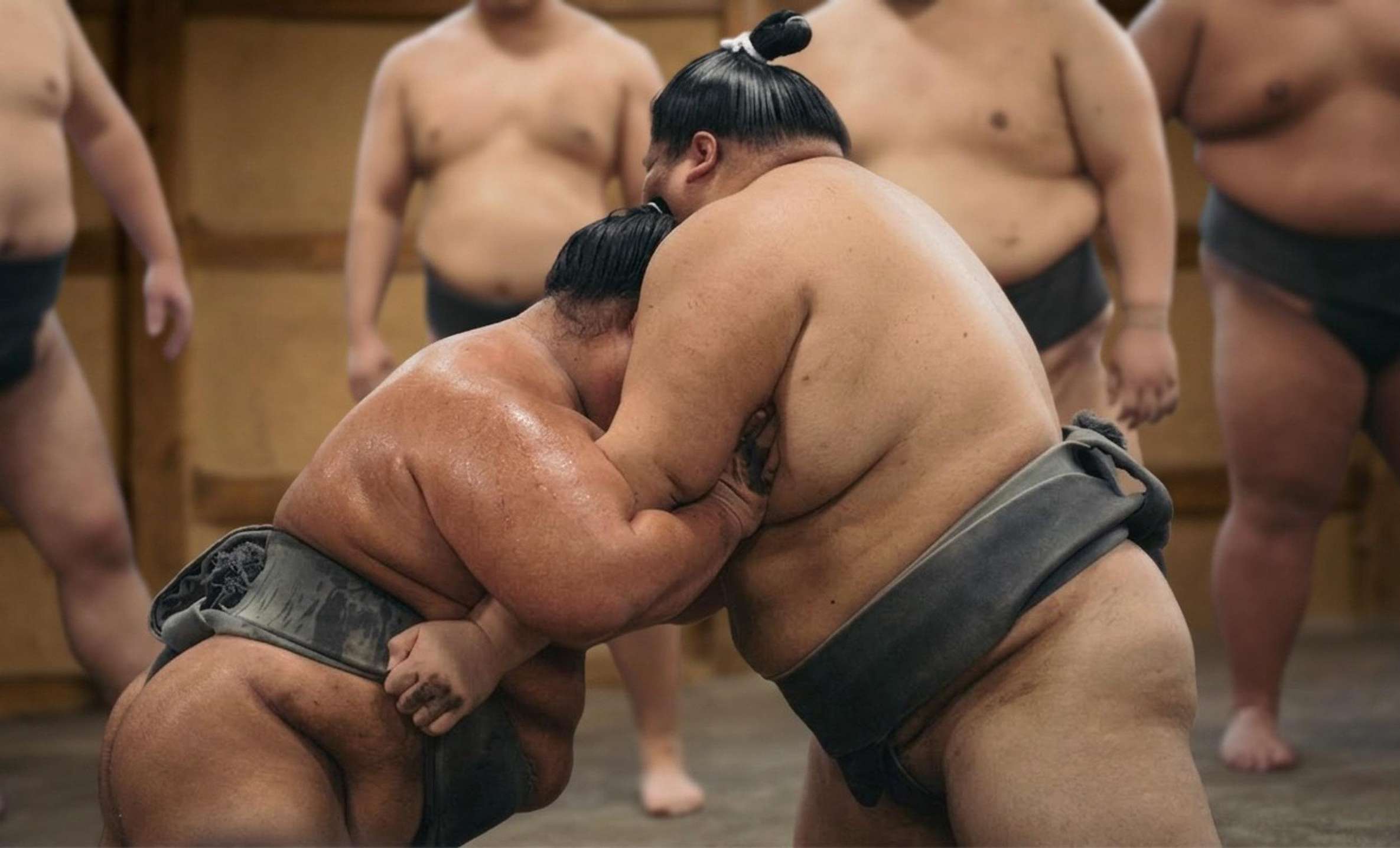
Love sumo but fear your Japan dates miss the tournaments? Morning practice runs in Tokyo most months, and this stable visit comes guided by a national newspaper journalist, so you can watch real wrestling in Japan and ask every question you have. Book ahead, spots are small.
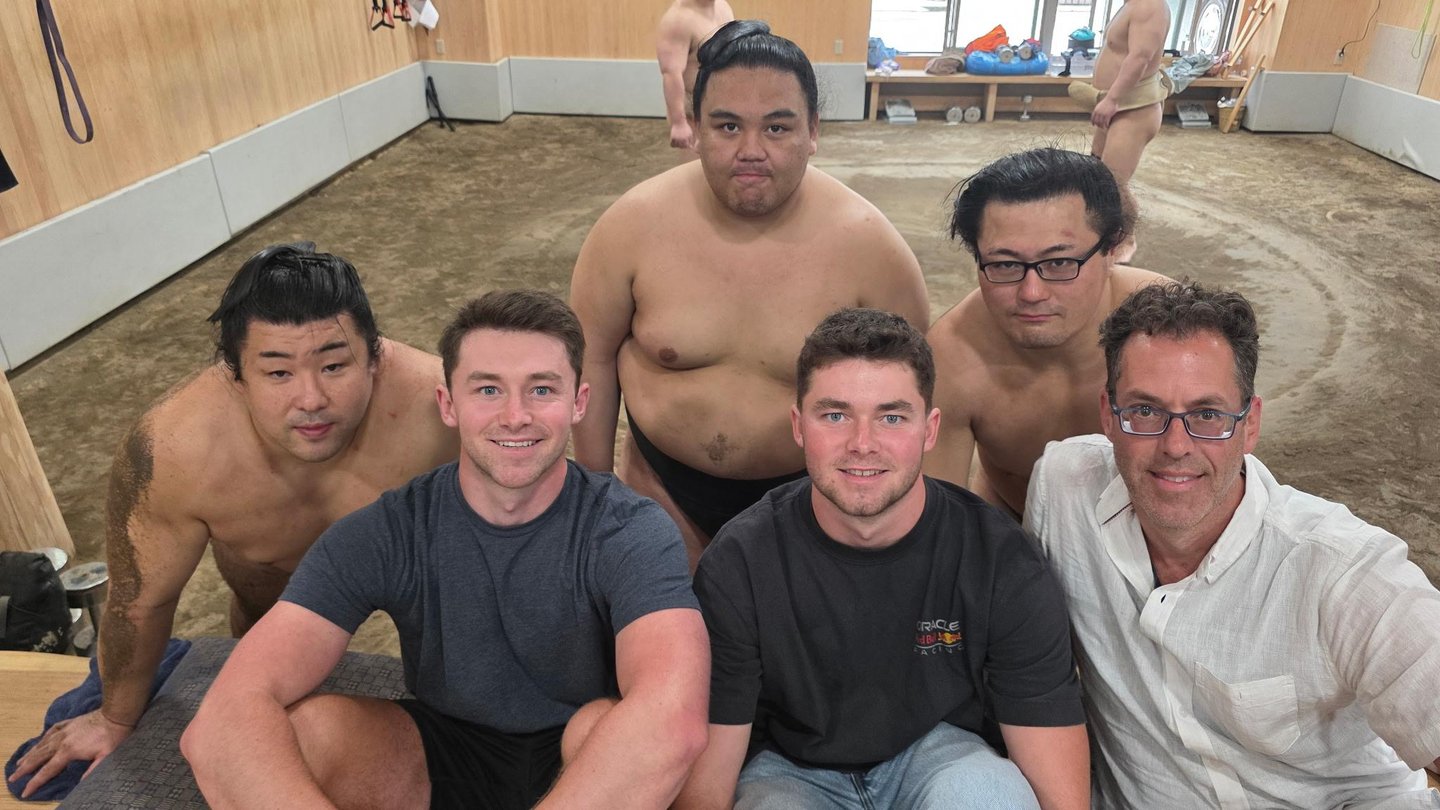
"Solo traveler here and it was amazing. Our guide was super knowledgeable, shared videos of famous matches, and went above and beyond. Highly recommend."










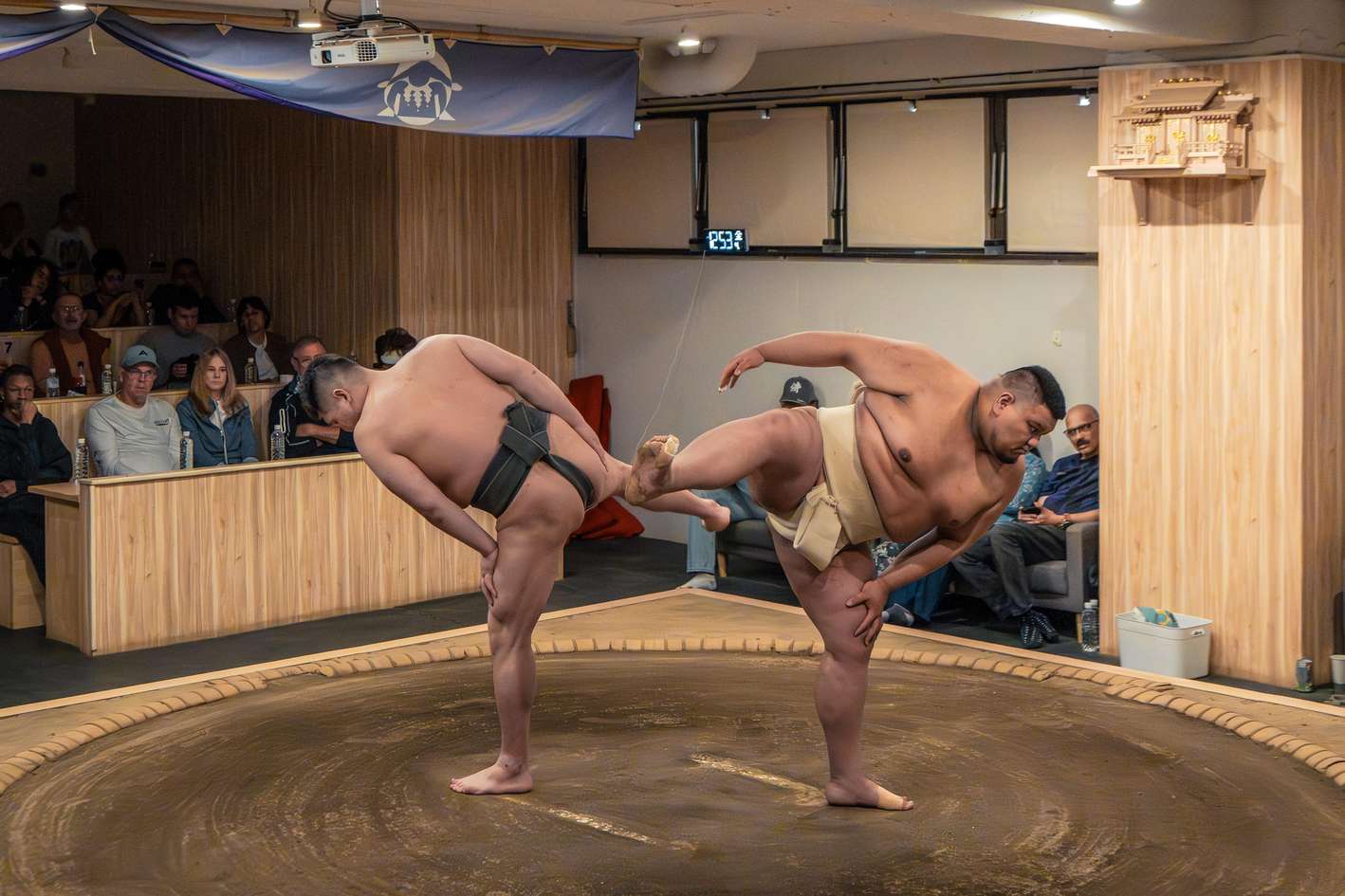
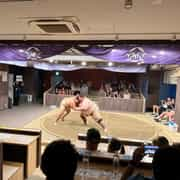
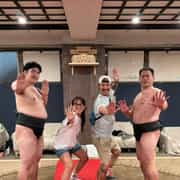
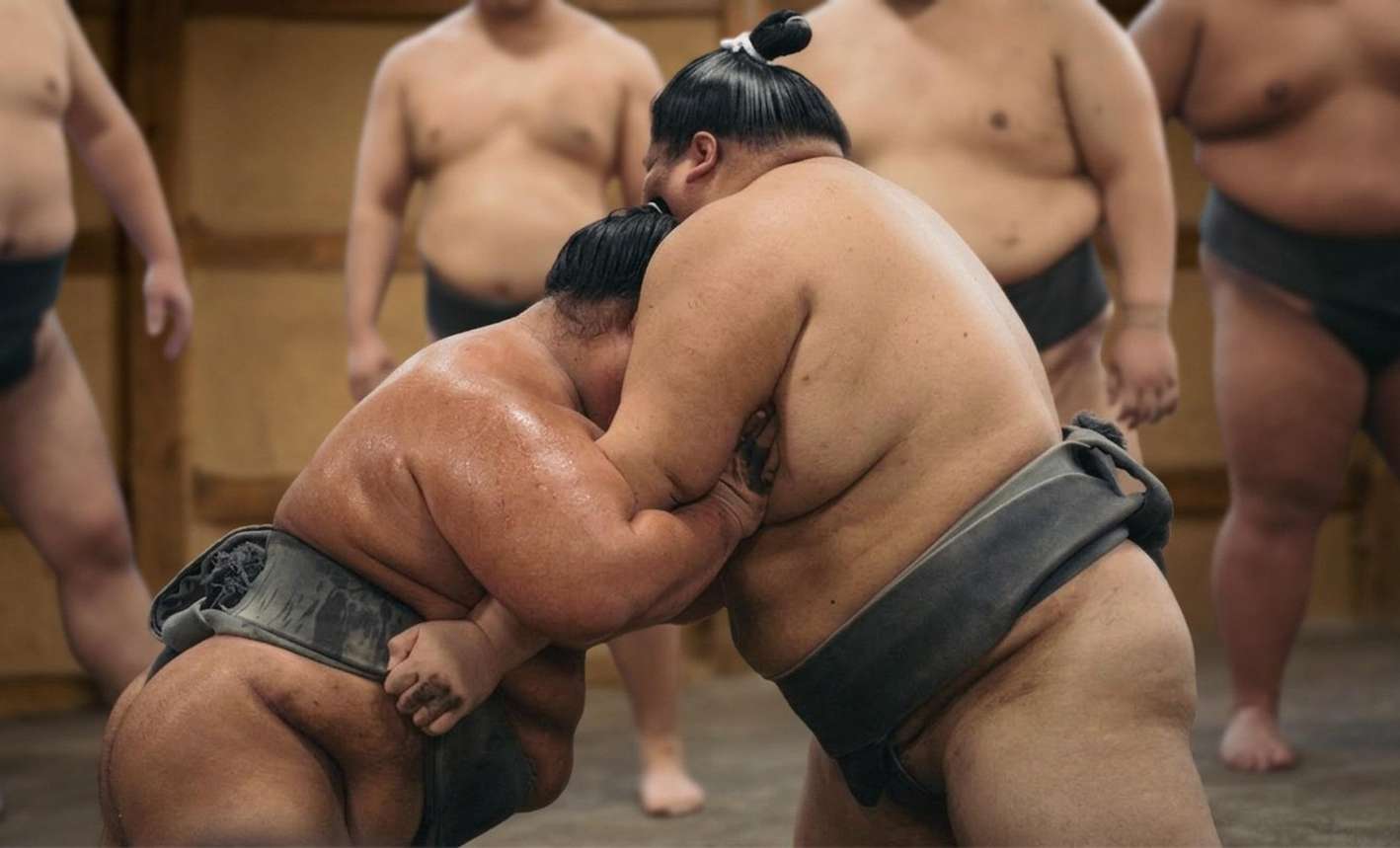
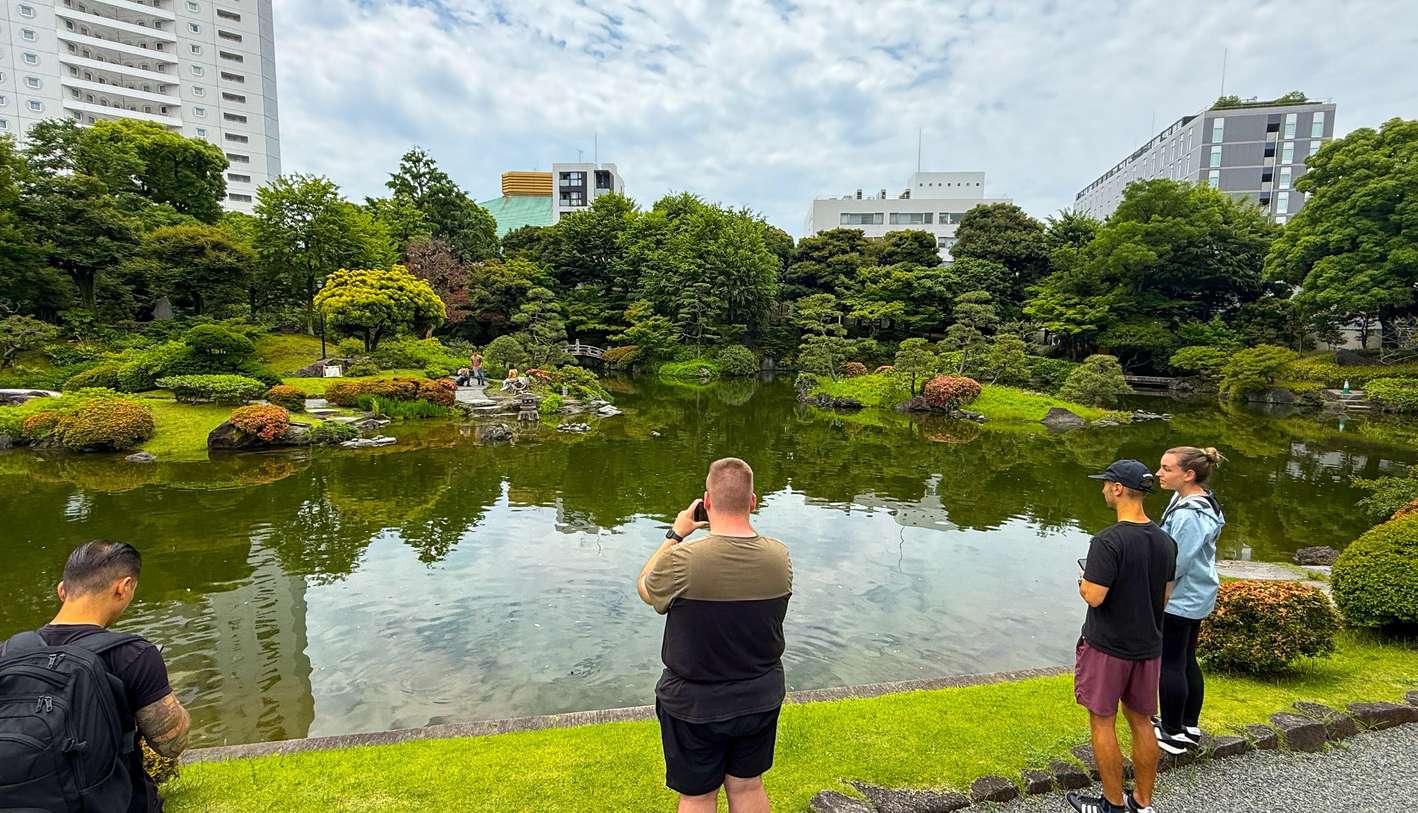
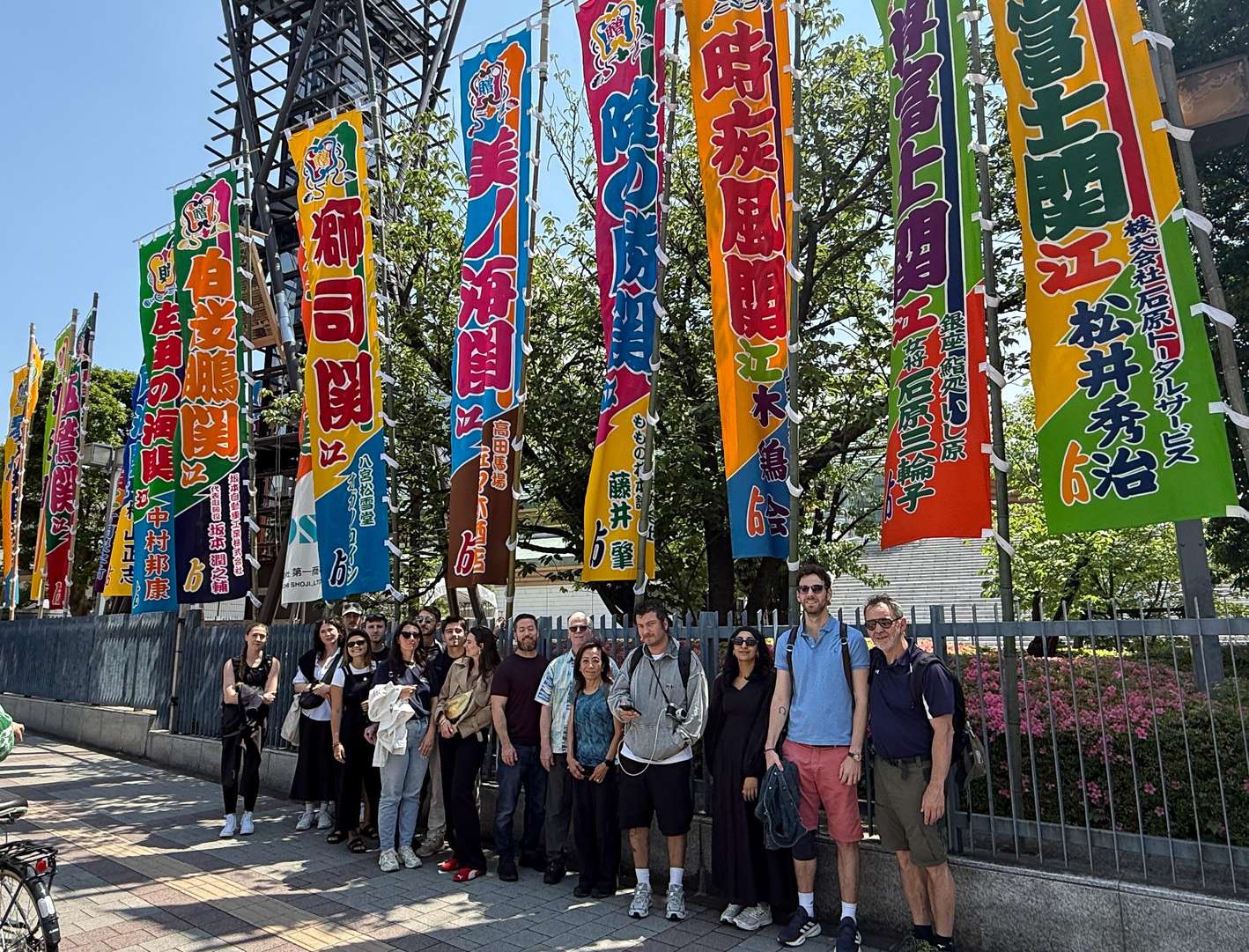
Sumo runs somewhere in Japan every month of the year, but no single city does. Where your dates land decides whether you get a 15-day tournament, a silent stable morning, or a hot pot dinner show.
Official tournaments run 15 days each in odd-numbered months only: Tokyo in January, May and September, Osaka in March, Nagoya in July, Fukuoka in November.
Tickets sell out in minutes when sales open about a month ahead, and same-day box office sales have been discontinued entirely.
Kyoto hosts no tournaments and no professional stables, so a sumo day trip from Kyoto to Osaka in March beats waiting in the old capital.
Tokyo wins on frequency: three tournaments a year, all 45 pro stables, and dinner shows running daily no matter the season.
For a tournament, arrive between 2:00 and 3 pm for the 3:40 pm ring entrance; top bouts start around 4 pm and the day ends near 6 pm.
Reserve official tournament tickets or a guided tour with pre-reserved seats as soon as your Japan dates are fixed, and if your dates miss the tournament calendar, book a Tokyo sumo show or morning stable visit instead, both of which run year-round.
The first thing to know is that the season decides everything. Grand Sumo tournaments happen six times a year, always in odd-numbered months, and each one runs 15 days from Sunday to Sunday.
Tokyo gets three of them at Ryogoku Kokugikan, in January, May and September. Osaka gets one in March, Nagoya one in July, Fukuoka one in November.
The table below sets the four headline choices side by side, and Kyoto joins it for a reason: plenty of travelers assume the old capital delivers sumo, and it does not.
| Tokyo | Osaka | Kyoto | |
|---|---|---|---|
| Tournament months | January, May, September | March | none |
| Year-round shows | stables, shows, sumo museum | dinner shows | dinner shows only |
| Fan atmosphere | formal, reserved | raucous, passionate | none |
| Venue capacity | 11,098 | about 8,000 in sumo layout | none |
Match your dates to that list and the picture gets clear fast. If you land in February, April, June or August, there is no tournament anywhere in Japan. Tokyo still works: it is the only city where all 45 professional stables live, so morning training and dinner shows run there year-round.
One city drops off the map entirely. Kyoto hosts no tournaments and no professional stables, despite what the guidebooks imply about its cultural calendar. Plan your sumo day in Tokyo, or take the train to Osaka for March. Nagoya is a July-only affair with no year-round options at all, and Fukuoka's is November.

Tokyo wins the numbers game. Three tournaments a year against Osaka's one means Tokyo is the likelier fit for fixed travel dates, and the Kokugikan seats about 11,000 against roughly 8,000 in sumo configuration at EDION Arena. Tokyo also keeps its stables and its sumo museum after the crowds go home.
Osaka wins the atmosphere. In March the crowd at EDION erupts for Kansai wrestlers, cheering hard enough that regulars call the arena outright raucous. Tokyo's spectators sit more formally, quieter, closer to ceremony than carnival. Pick Osaka if you want the louder room; pick Tokyo if your dates wobble.
Coming from Kyoto for a March tournament day, skip the JR route. Regulars take the Keihan express to Yodoyabashi and change to the Midosuji subway to Namba, faster and cheaper than the shinkansen for this hop.
Outside the arena, apprentice wrestlers in light yukata walk the Namba avenues on tournament days, worth arriving early to see.
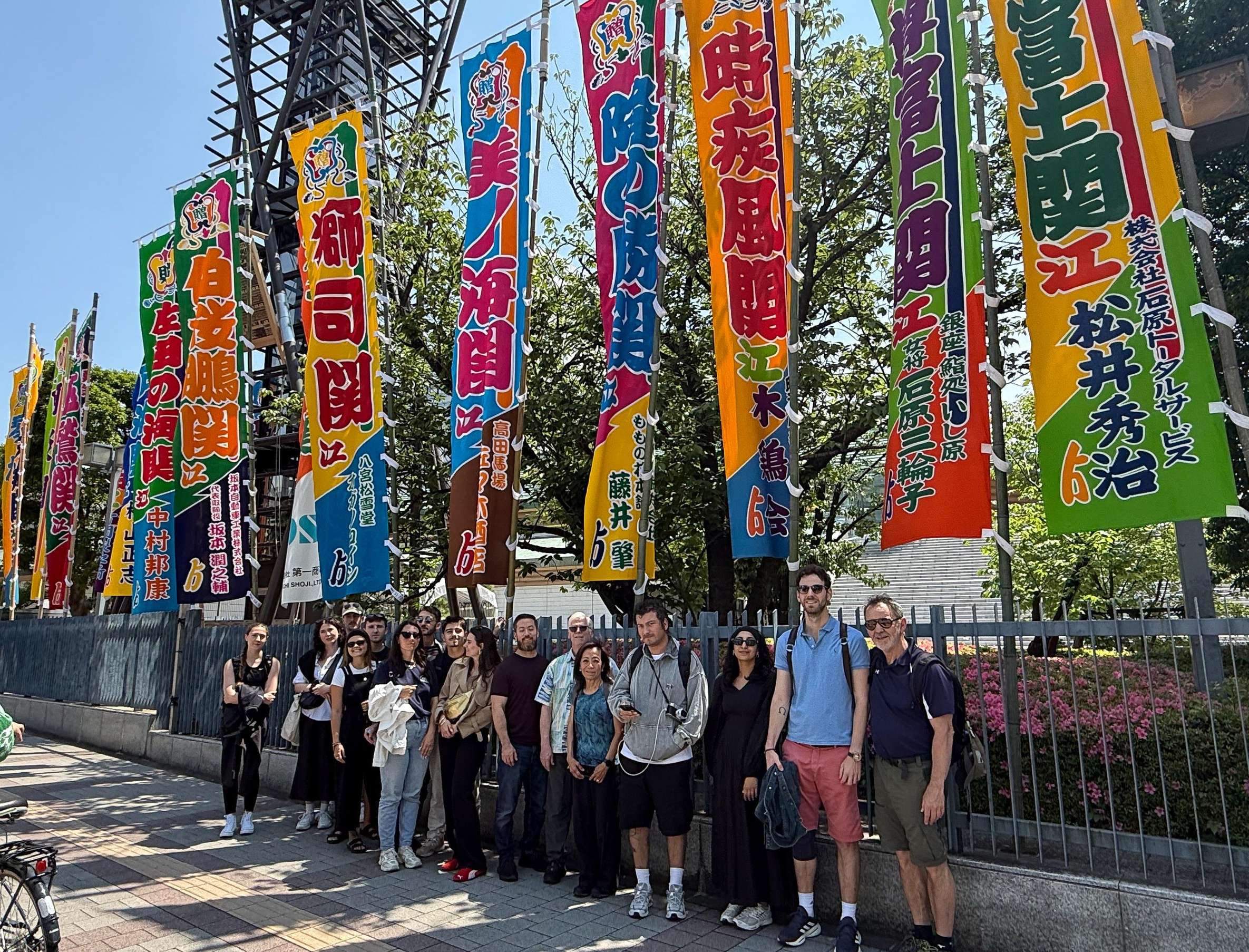
Here is the part that sinks most first-timers: official tournament tickets sell out in minutes. When sales open about a month ahead, whole 15-day runs have vanished online within the hour, and the hottest dates, final days and box seats go in under five.
No same-day ticket sales exist at Kokugikan or EDION Arena, and none are sold once advance tickets run out buy the moment sales open, roughly a month before your date, or book a guided seat with tickets included
Buy through the Japan Sumo Association's official English site, which needs no Japanese phone number, even though the Japanese-language portal does require SMS verification to one. Tickets bought there can be collected at any 7-Eleven in Japan. Ringside tamari seats and Box S seats sell only through the Japanese portal.
Resist the resale sites. The Sumo Association names several unofficial sellers and warns that tickets bought there get denied at the door. If the official release passes you by, a guided tour with a pre-reserved seat is the reliable fallback, and the association runs an official face-value resale on its own site.

Doors open at 8:45 am, and the truth is you don't need the whole day. Lower-division bouts fill the morning, watchable but not the reason you came. Most spectators who know the rhythm arrive between 2:00 and 3 pm, in time to see the wrestlers arrive outside and settle in before the ceremonies.
watchable, but not the elite action
the arena starts filling
the ceremony worth the trip
bow-twirling closes the day
The second-division bouts start around 2:15 pm. Then comes the moment worth the trip: the makuuchi ring entrance around 3:40 pm, the yokozuna stomp through his ceremony, and top bouts from 4 pm. By 5:30 pm the highest ranks are on, and the bow-twirling ceremony closes the day near 6 pm. Nothing runs later.
On seats: the ringside tamari cushions sit within a few paces of the ring but go to connections and lotteries, with no phones, cameras, food or anyone under 16. Four-person masu boxes mean buying all four spots and sitting on the floor without back support.
The upper-tier chair seats sell individually, have actual backrests, and the arena is compact enough that the ring reads clearly from any of them. Eat cold yakitori from the basement kitchen downstairs; chicken on two feet is a luck symbol in sumo.

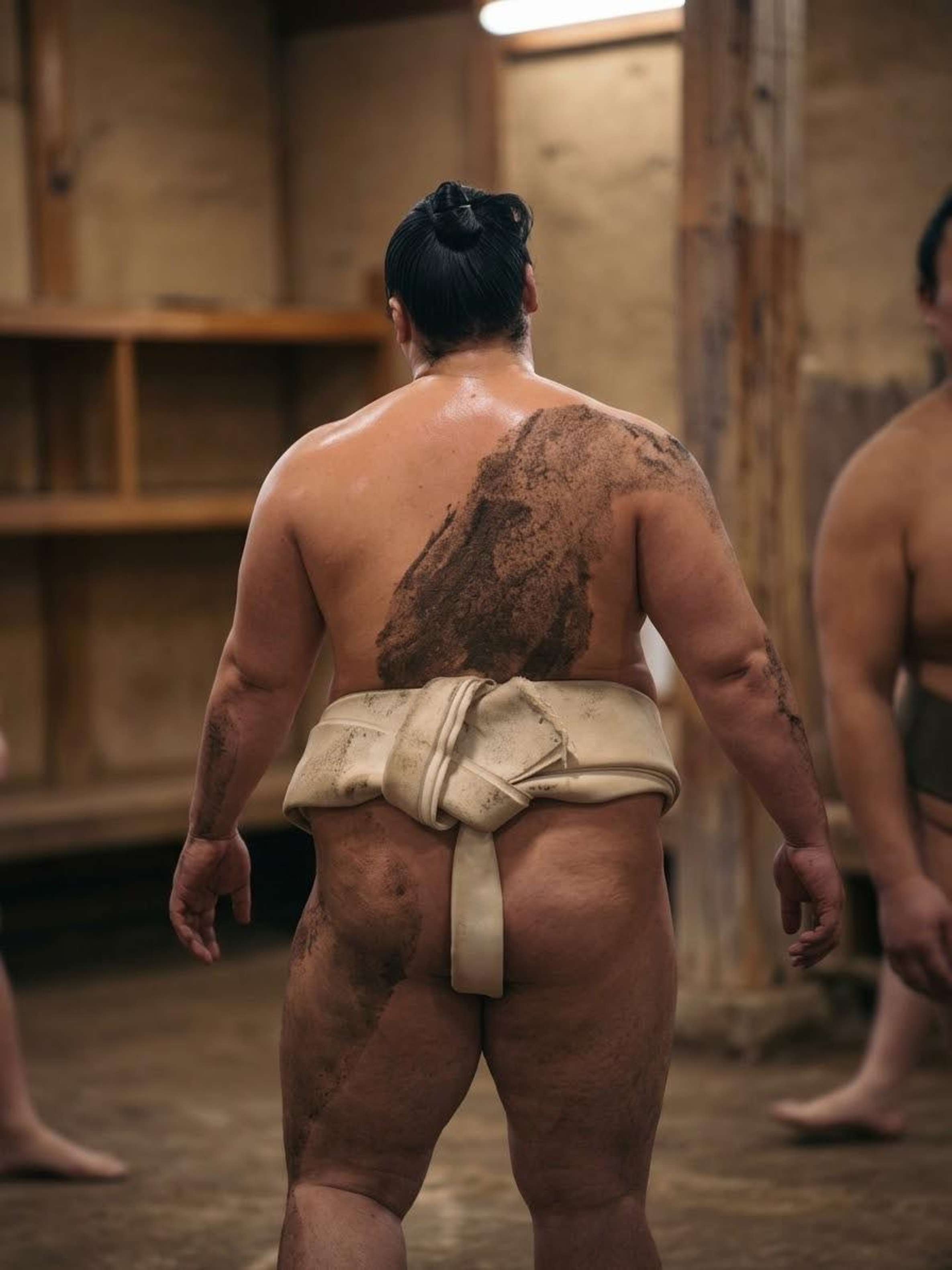
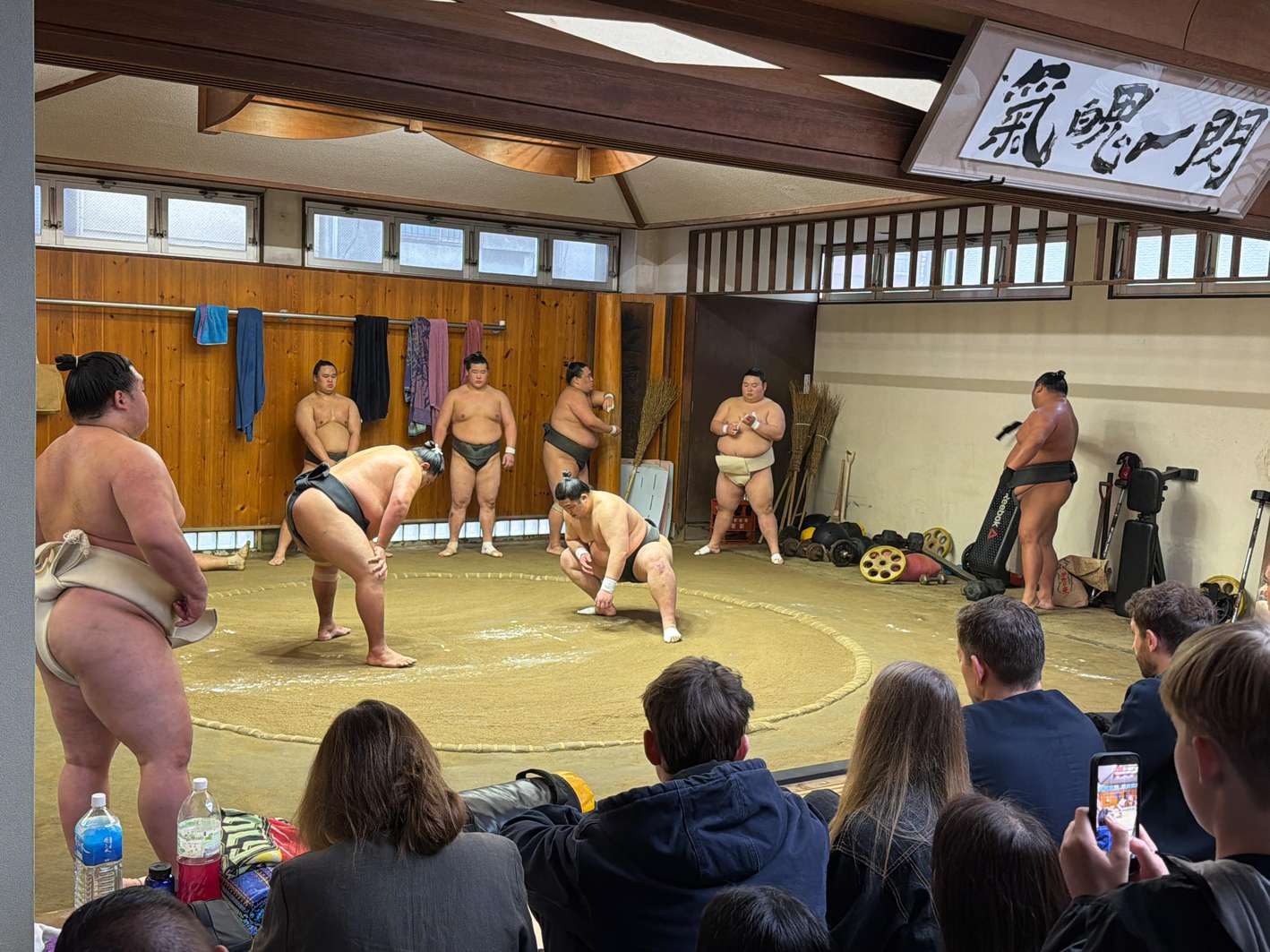
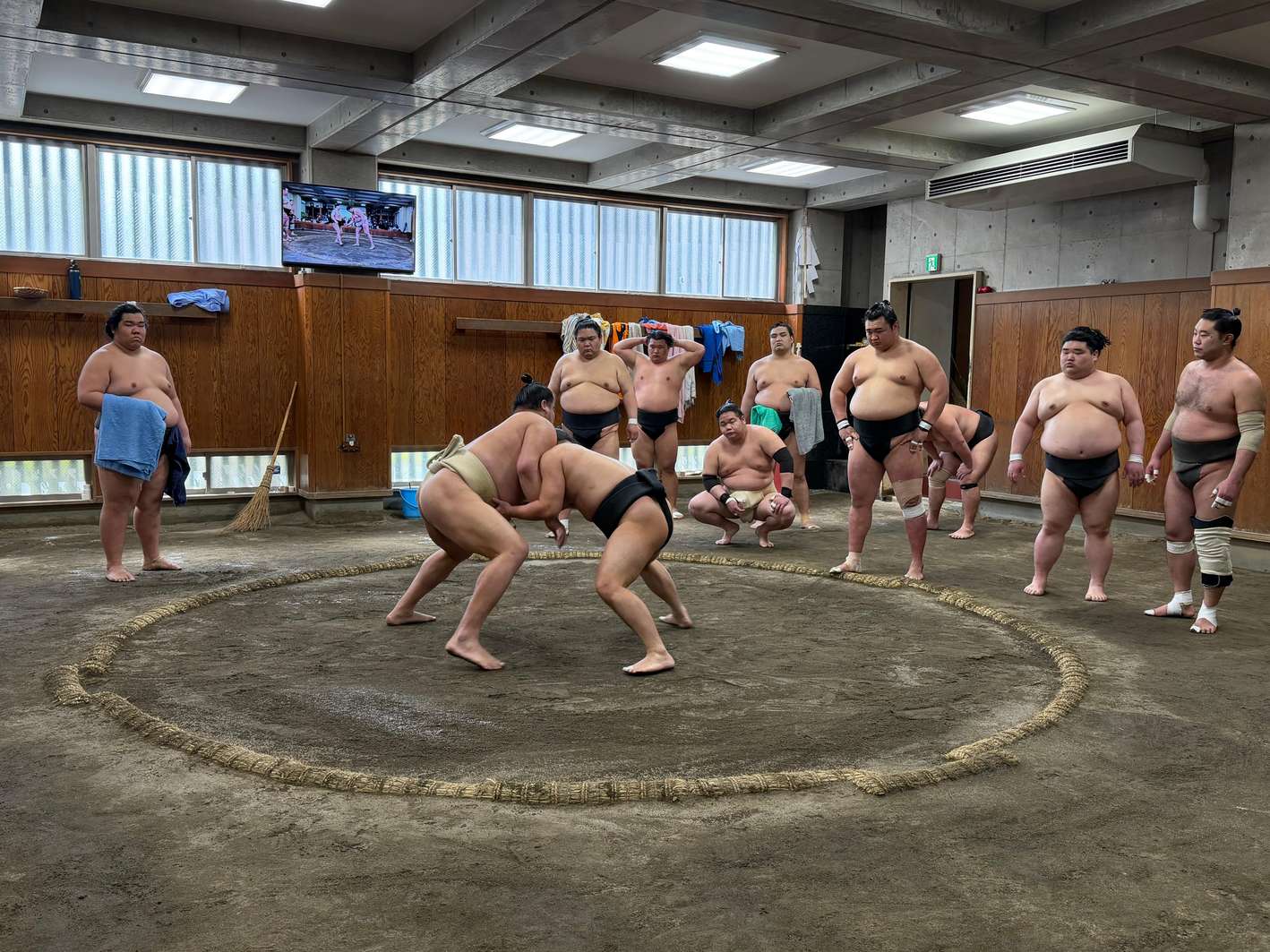
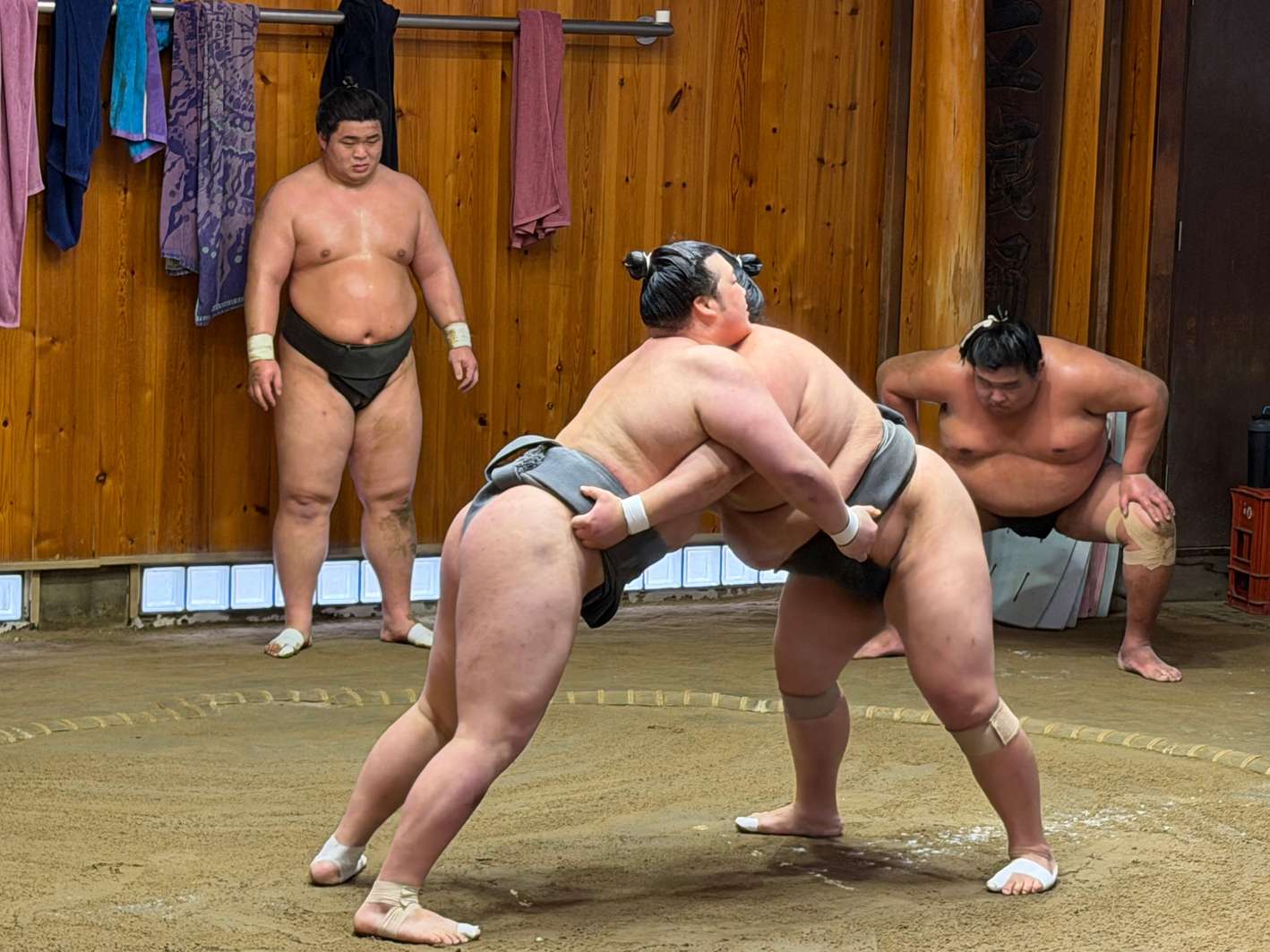
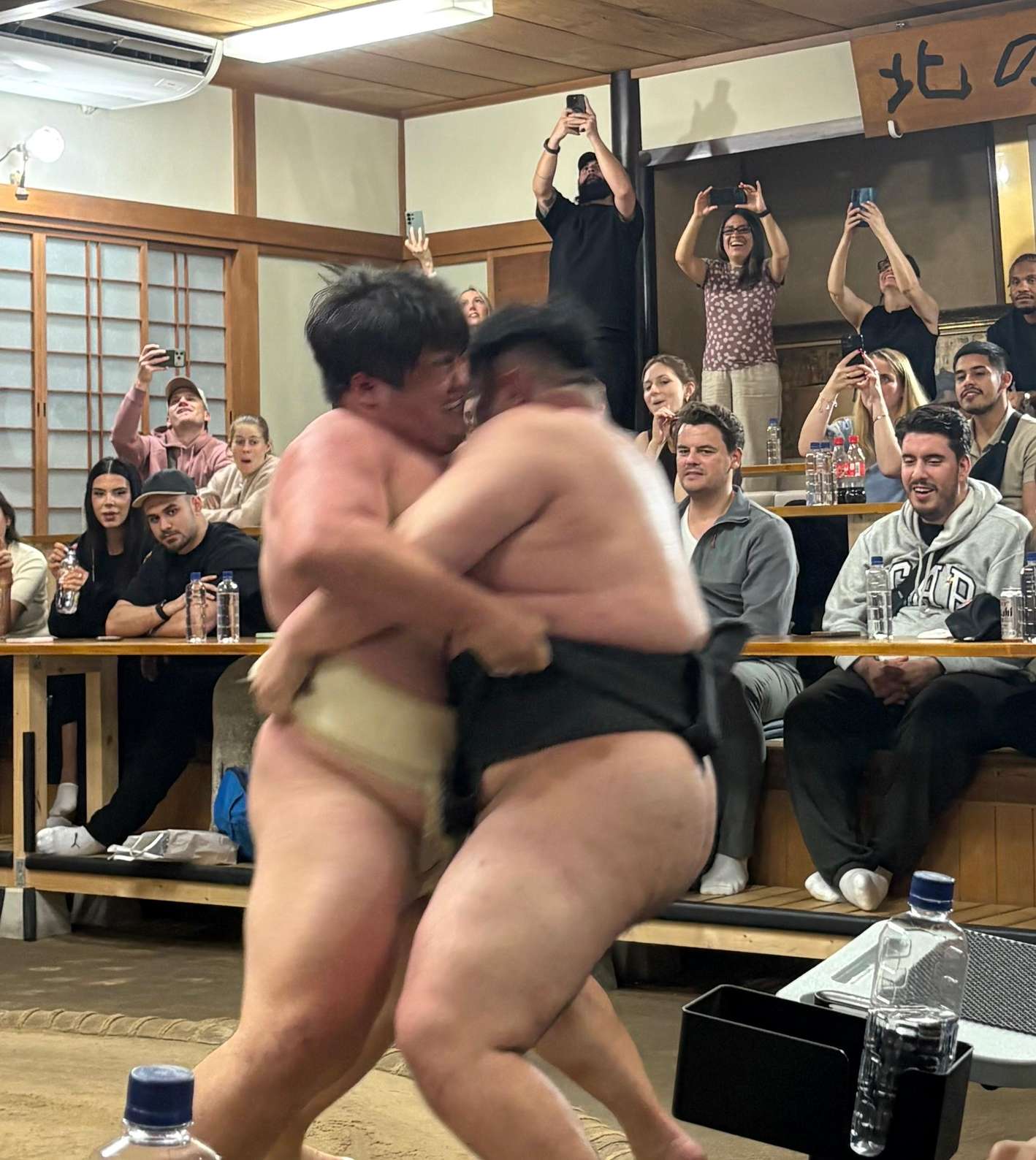
Morning keiko is the opposite of the dinner show. No commentary, no music, no script, just professional wrestlers working through shiko stomps and butsukari charges for 60 to 120 minutes while you sit on a floor cushion in absolute silence.
No talking, no whispering, phones off, no flash, no stepping toward the clay ring, soles of your feet never pointed at the wrestlers. Visitors who chat or stand up to film get asked to leave, and arriving unannounced at an active stable usually means being turned away at the door.
you will not find one by wandering, navigation or a guide is the way in
its big observation window means no booking and no ticket
That silence is exactly why some travelers rank a stable morning above the tournament. It is raw, unscripted work a few steps from the ring. Others find two hours of stillness on the floor a tall order, and both reactions are honest.
The calendar bites here too, and it explains a puzzle: the stables all live in Tokyo, yet they are not open all year.
Stables pause visitor sessions during every tournament fortnight, relocate for March, July and November when wrestlers travel to Osaka, Nagoya and Fukuoka, and rest for about a week after each of the six tournaments.
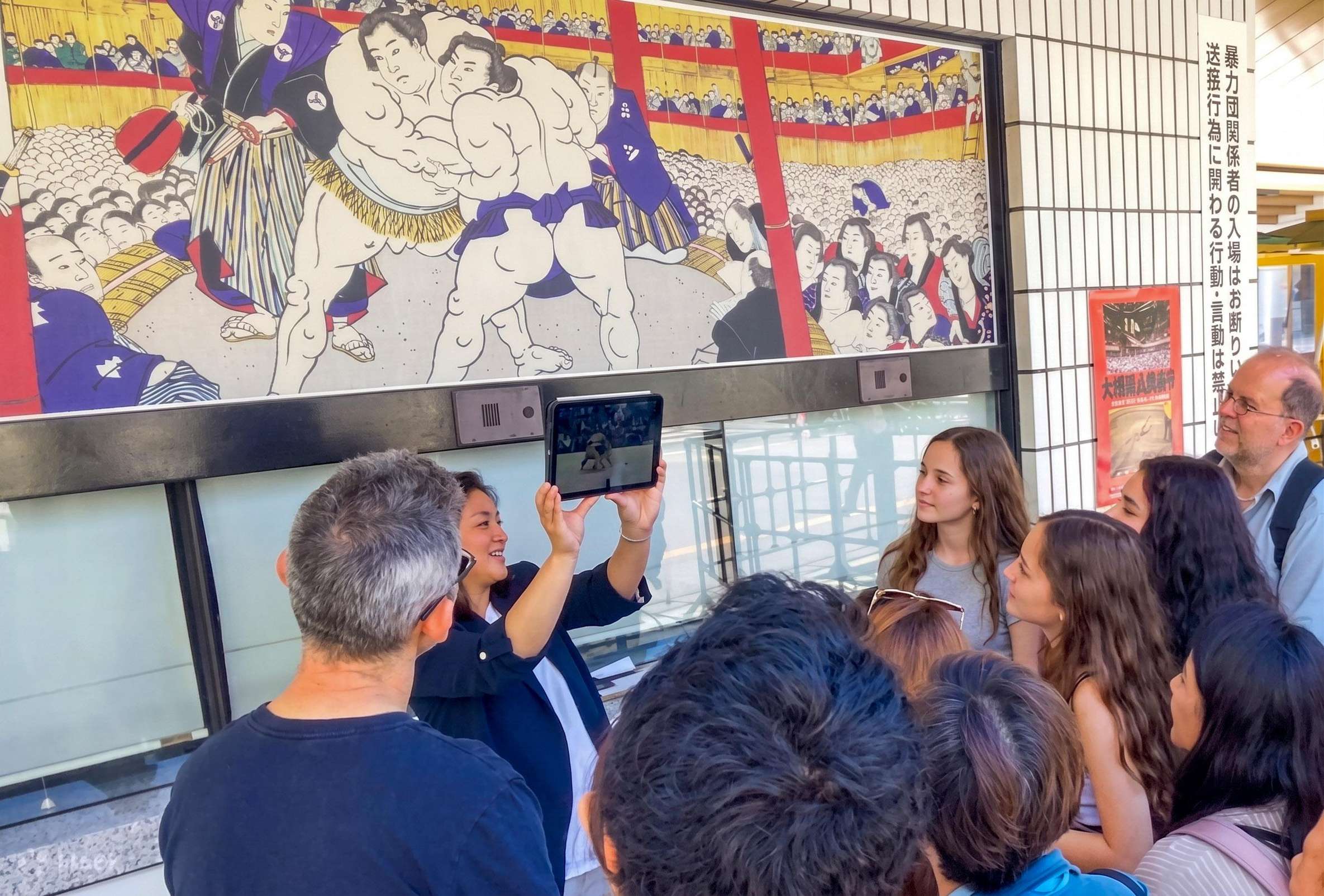
That is why public viewings mainly fill the even-numbered months. The guided route works: the Tokyo: Watch sumo! with English Guide tour, two hours long, gets you inside with someone who can hold the etiquette line and answer your questions after training ends.
Miss all six tournament windows and sumo has not given up on you. Three routes keep it real.
First, Tokyo's stables. Morning keiko runs between about 6:30 and 10 am in the even months, and Arashio stable lets anyone watch from the street through its observation window, free, between 7:30 and 9 am on training days.
Second, February at the Kokugikan. One-off retirement ceremonies and charity exhibitions fill the arena between the January and May tournaments, with easier tickets and exhibition bouts alongside the topknot cutting.
Third, the jungyo. The Sumo Association's provincial tours travel in April, August, October and December, running morning training, real bouts and then performances you never see at a tournament: comic sumo, sumo folk songs, taiko drumming, all wrapped up around 3 pm.
And underneath all of it, the dinner shows never stop. Retired wrestlers perform daily in Tokyo and Osaka every single month, with no blackout periods, which is why no traveler needs to leave Japan sumo-less.
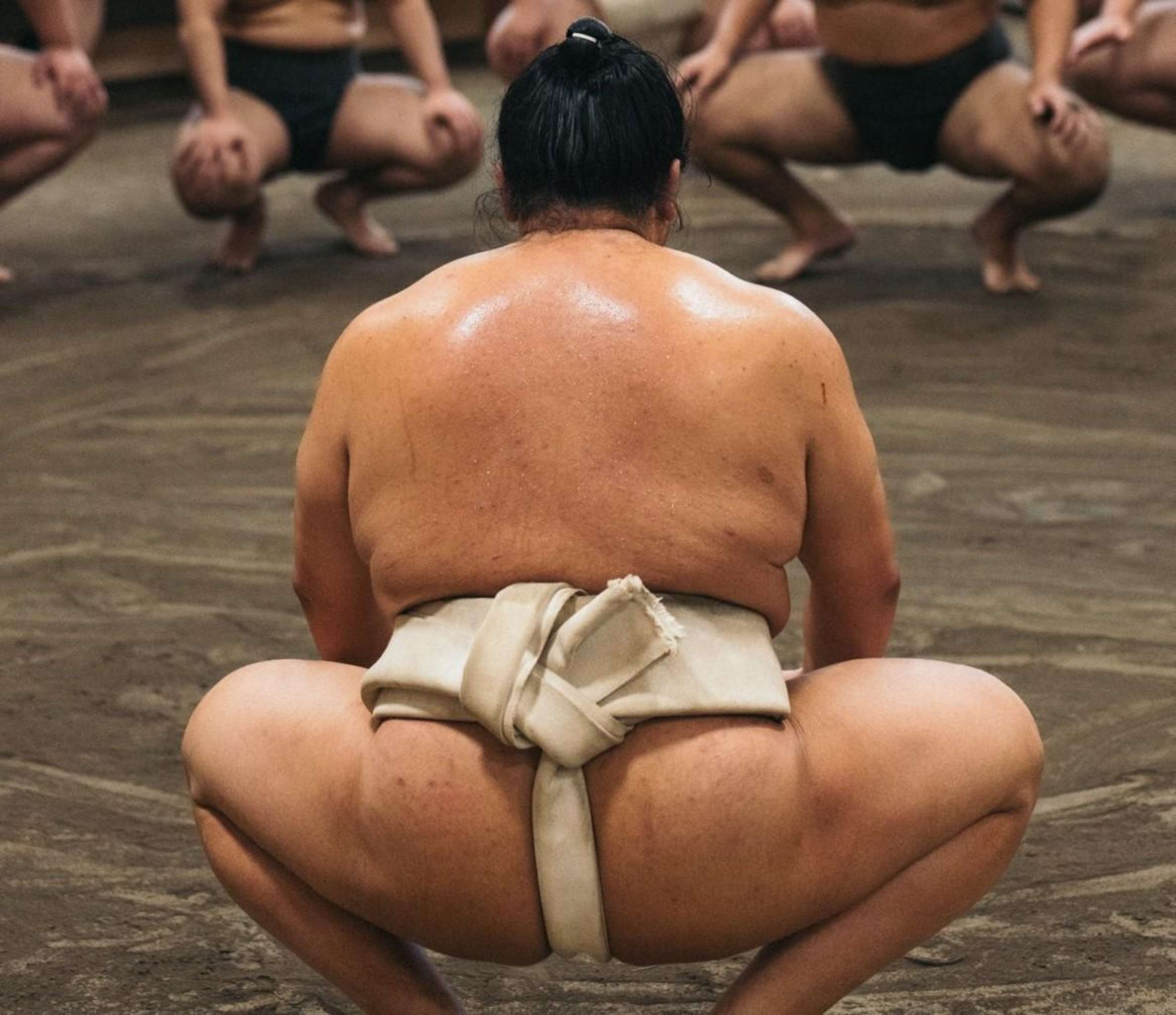
Straight answer: the wrestlers are real. Performers are retired professionals, not actors in costumes, and the techniques they demonstrate are the ones they trained with. The bouts, though, are choreographed demonstrations with no ranking at stake, wrapped in comedy and MC banter.
If your dates overlap a tournament, that event beats any show. If they don't, a show is a genuinely good introduction, with English explanations of rules and fouls the arena never gives you.
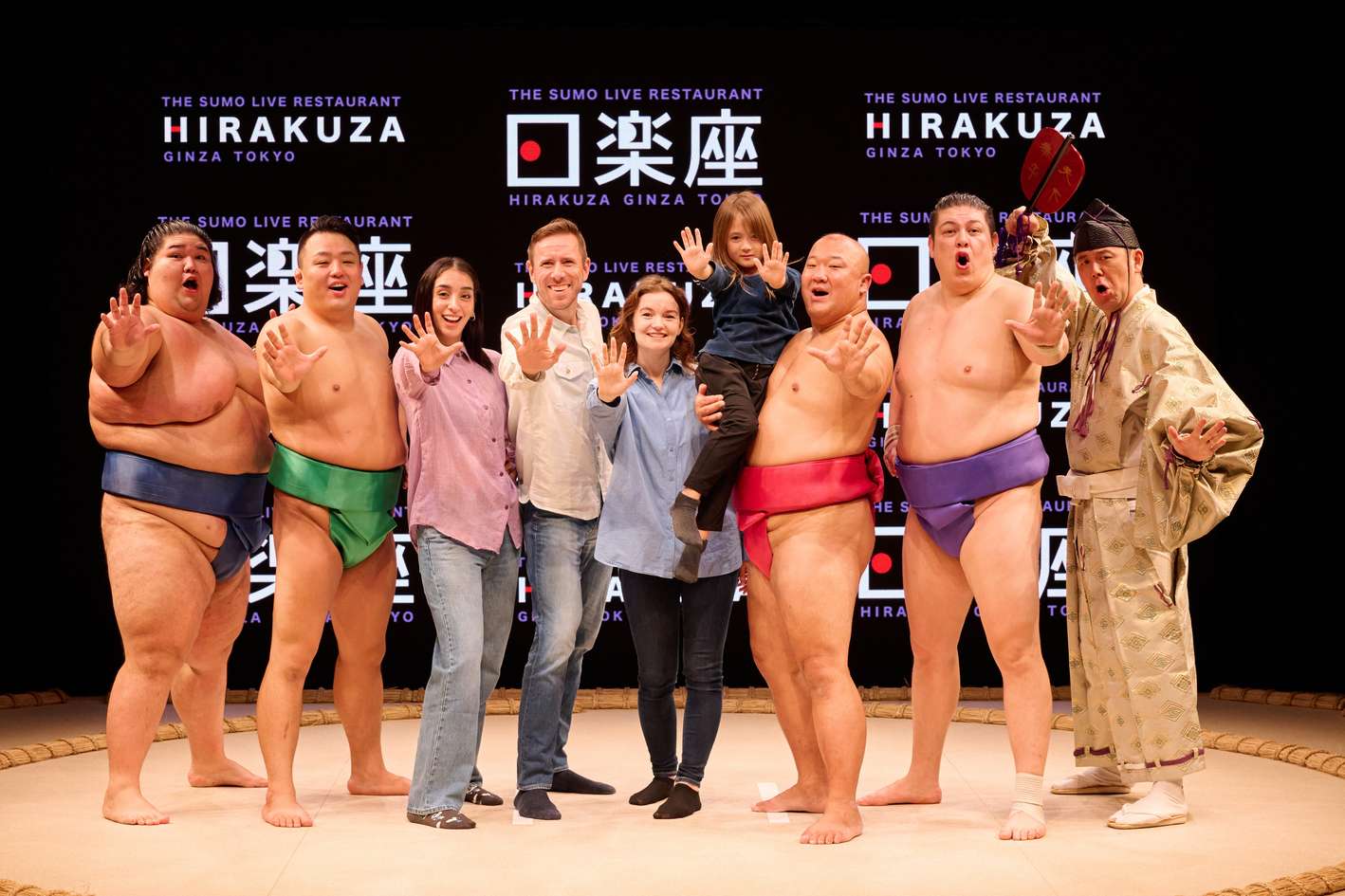
Venues differ. Asakusa serves all-you-can-eat chicken hot pot and adds a geisha dance. Shinjuku keeps it tight at 90 minutes with an English-speaking MC. Ginza pairs the show with kaiseki courses.
Kids of any age can sit and watch, but ring challenges need children of 5 and up with a guardian, and spots are limited and chosen by lottery, so stepping in is never promised.
| Check | Why it matters | Our pick |
|---|---|---|
| Real retired wrestlers, not actors | the techniques and bouts stay authentic | retired professionals perform live bouts |
| English commentary | you follow the rules and referee calls | bilingual host in English and Japanese |
| Meal included and what kind | hot pot vs kaiseki changes the evening | all-you-can-eat chicken chanko nabe |
| Ring challenge access | some venues guarantee it, most run a lottery | limited spots, chosen by lottery |
| Late entry and refund rules | strict schedules mean latecomers may be refused | shows run on a fixed 2-hour schedule |
The Tokyo: Sumo Entertainment Show with Chicken Hot Pot & Geisha fits families best: two hours, bilingual commentary, the hot pot, and a printed souvenir photo after the matches.
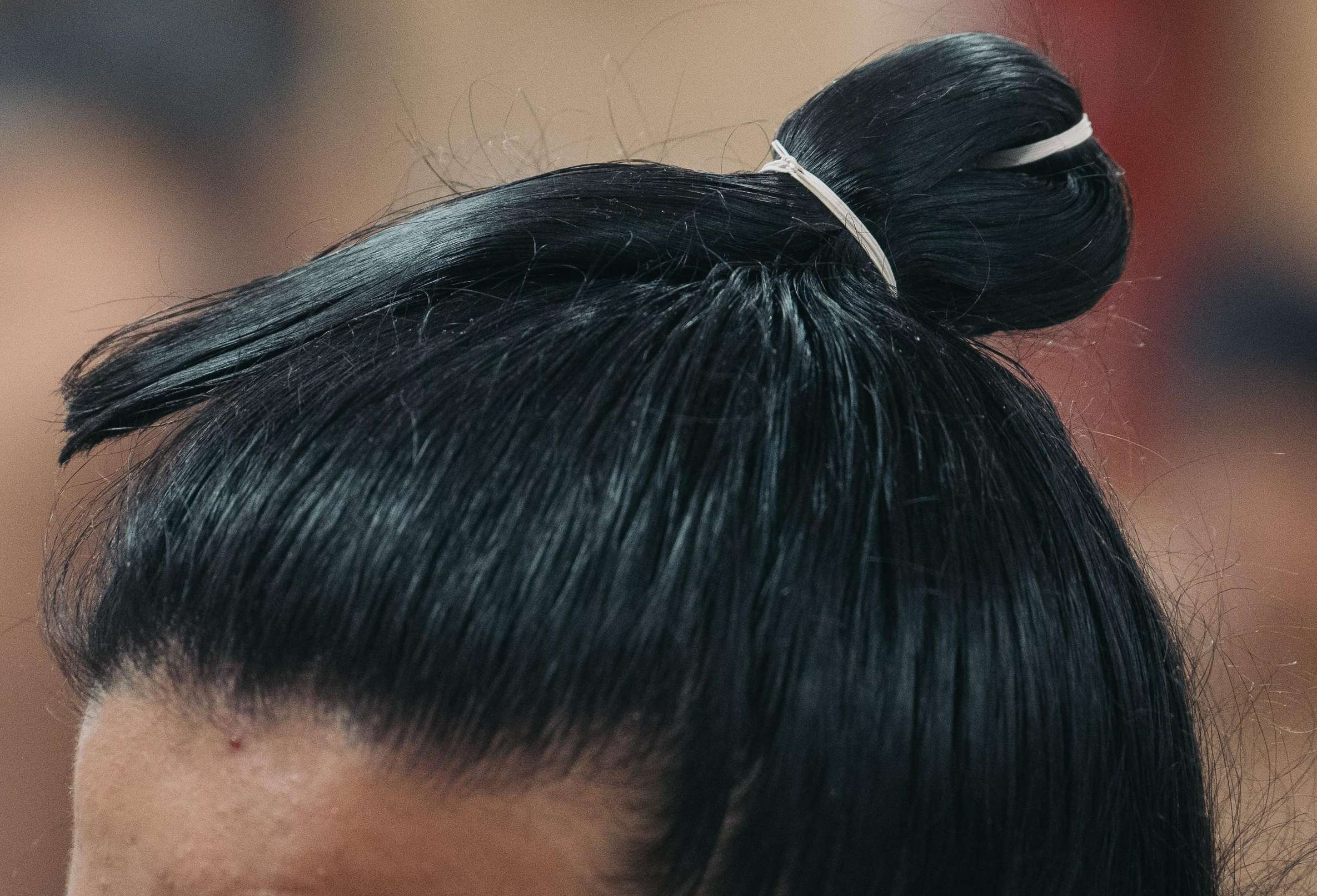
Ryogoku rewards the slow walk. The Kokugikan sits about two minutes from the station's west exit, with the free Sumo Museum on its first floor.
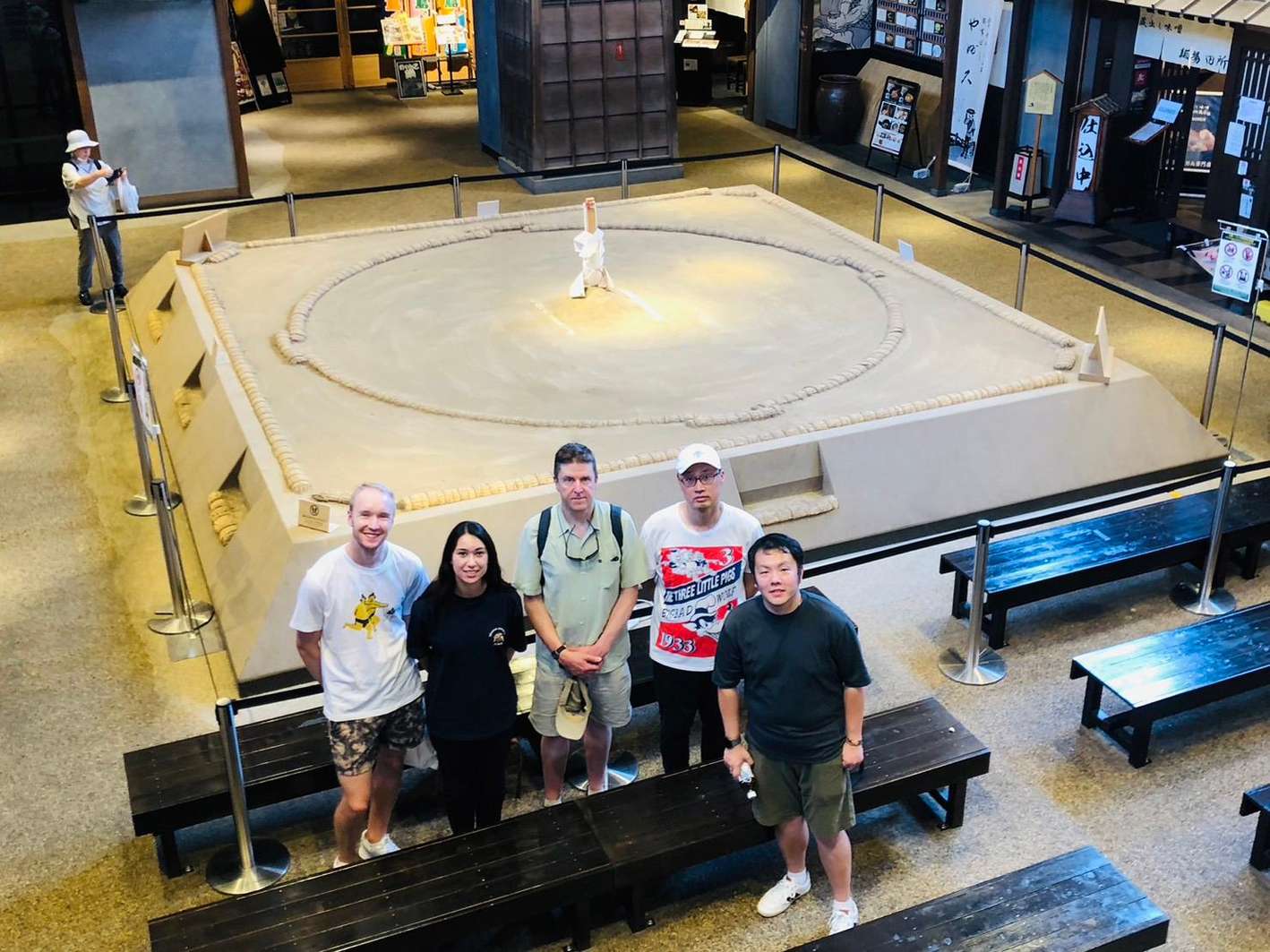
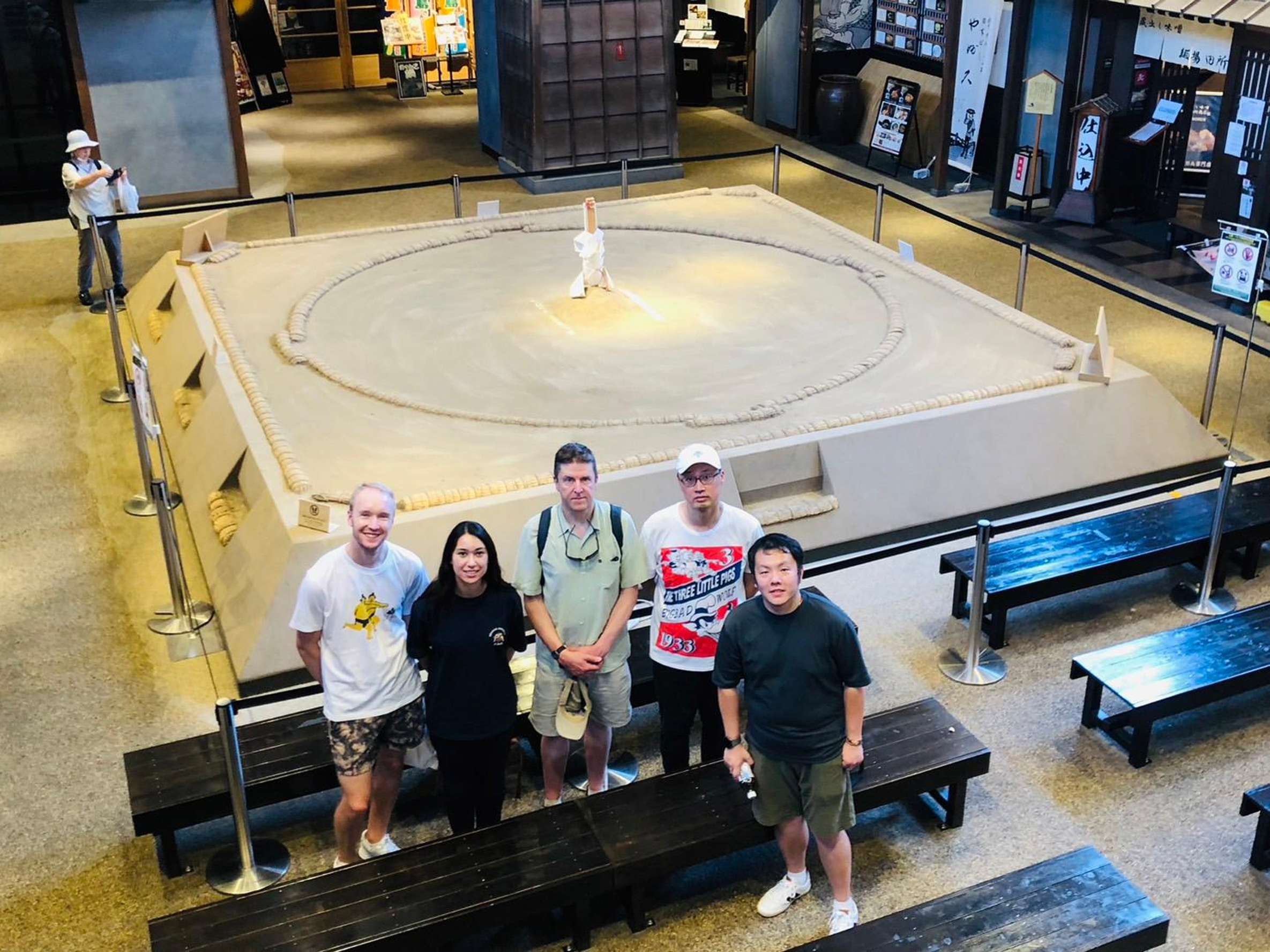
Next to the station, Edo Noren keeps a full-scale replica ring, and Kokugikan-dori runs south past bronze yokozuna statues with their handprints set in stone. Five or six minutes further, Ekō-in Temple marks where public tournament sumo began in the Edo period.
Then eat. Chankonabe, the hot pot wrestlers eat daily, simmers chicken with napa cabbage, carrots and fried tofu, and the chicken-only tradition comes from sumo logic: a fallen four-legged animal looks like a beaten wrestler, a standing chicken never does.
Restaurants around the stadium, many founded by retired rikishi, serve it, including one two minutes from the Kokugikan running a former wrestler's own recipe.
During tournament months, January, May and September, book the popular chankonabe restaurants one to three weeks ahead, and further out for weekend evenings. Off-tournament, the Sumo Museum and the neighborhood's exhibits carry the day on their own.
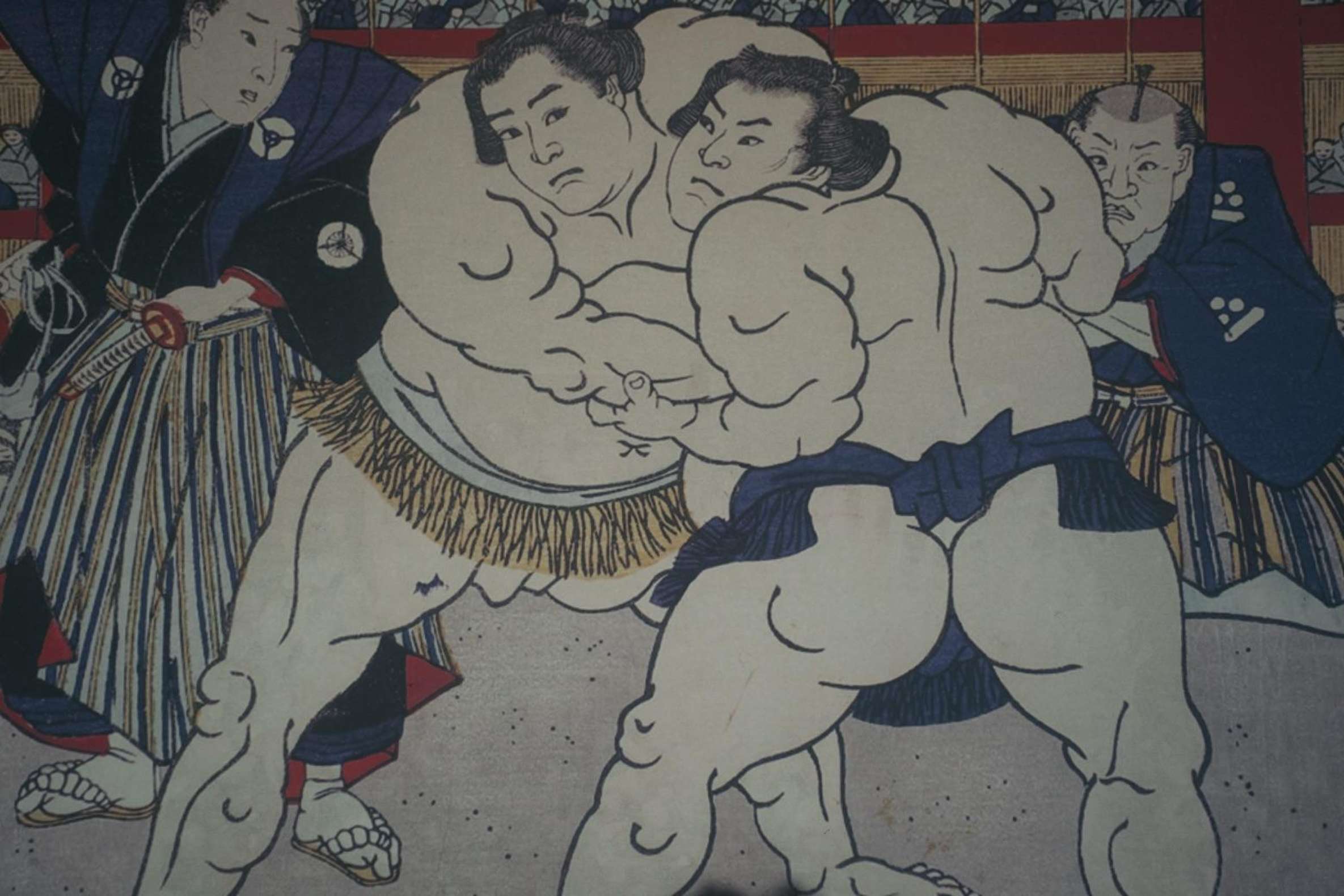
Tokyo earns the sumo slot on almost any itinerary: three tournaments a year, every stable in the country, and dinner shows running daily. Osaka earns one loud March fortnight. Kyoto earns none of it.
If your dates hit an odd-numbered month, chase official tournament tickets the day sales open, with a guided seat as your backup. If they miss every window, book a silent stable morning or a hot pot show and know you are still watching the real thing.
A street-level guide to Ryogoku, the stables, chanko restaurants, and sumo landmarks around the Kokugikan.
Where to eat the chankonabe hot pot that wrestlers live on, from dedicated restaurants to dinner shows.
How to book a guided stable visit, what the silence rules are, and when Tokyo stables pause training.
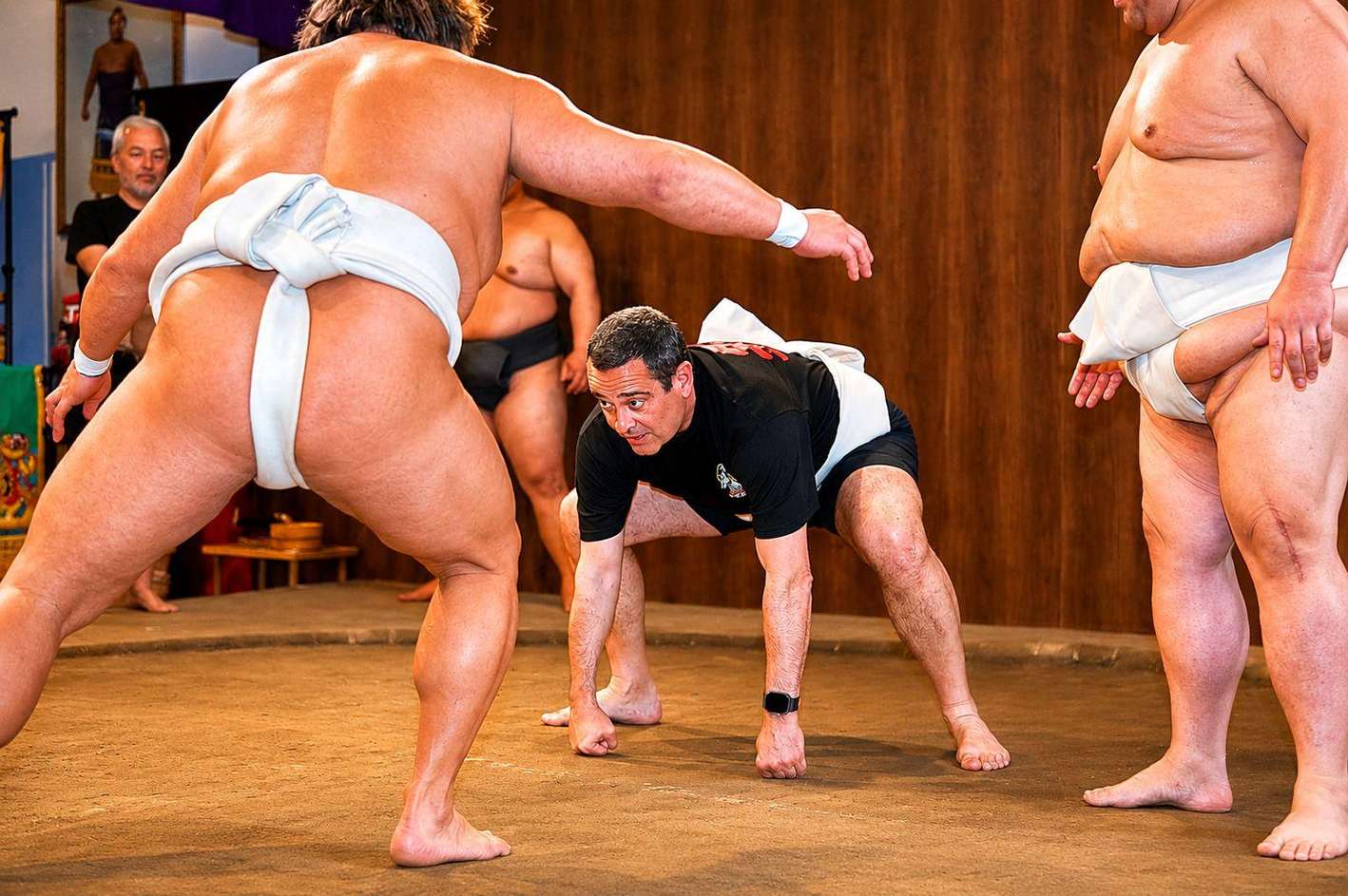
Beginner-friendly sumo lessons and gym classes if you want to learn the moves instead of watching them.
The quick answers travelers ask before picking a city and a date for sumo.
 Tokyo2026
Official Grand Sumo tournaments take place in Tokyo, Osaka, Nagoya, and Fukuoka. Morning stable training can be watched in Tokyo, and tourist sumo shows run in Shinjuku, Ginza, Shibuya, Ryogoku, Asakusa, and Minato.
Official tournaments run six times a year in the odd-numbered months, each lasting 15 days. Tokyo hosts in January, May, and September, Osaka in March, Nagoya in July, and Fukuoka in November.
Tokyo hosts three tournaments a year to Osaka's one, so your dates are more likely to line up there. Osaka fans are louder and more raucous, while Tokyo's crowd at Ryogoku Kokugikan stays more formal.
Every professional sumo stable is based in and around Tokyo, which gives the city far more shows and morning practices the rest of the year.
No. Kyoto hosts no Grand Sumo tournaments and no operational sumo stables. The nearest reliable sumo experience is in Tokyo, a couple of hours away by train.
You can observe morning stable training, which typically runs from about 6:30 am to 10 am, catch a regional exhibition tour (jungyo) in April, August, October, or December, or book a year-round sumo show with retired wrestlers and dinner.
Children under 4 enter tournaments free on a parent's lap, and kids can watch morning practice as long as they sit quietly. Dinner shows welcome children of all ages, though a few exclude babies under 1.
A tournament is a full competitive day where spectators cheer, eat, and drink. Morning practice is a serious, unscripted workout that asks you to sit on floor cushions in silence for one to two hours. Dinner shows add English commentary, comedy, hot pot dining, and a chance to step into the ring.
Same-day box office sales have been discontinued, and 15-day tournaments often sell out online within minutes of going on sale. Book official tickets about a month ahead or reserve a guided tour with pre-bought seats.
Active stables generally turn away unannounced visitors, so you need a formal arrangement, a guided tour, or a fluent Japanese speaker. One exception: you can watch training for free through the street-level window at Arashio stable in Nihonbashi.
The performers are genuine retired professional sumo wrestlers, not actors in costume. Their techniques and bouts are authentic, though the shows are staged entertainment rather than ranked competition.
Lower-division bouts start in the morning, and top-division wrestlers enter the ring around 3:40 pm, with the main bouts between 4:00 and 4:15 pm. Most people arrive between 2 pm and 3 pm for the seats and ceremonies that matter.
If your dates coincide with a Tokyo tournament, go to the real thing, since a show cannot replace ranked competition. The two complement each other well: a dinner show gives you English explanations, close seats, and ring access that a stadium cannot.
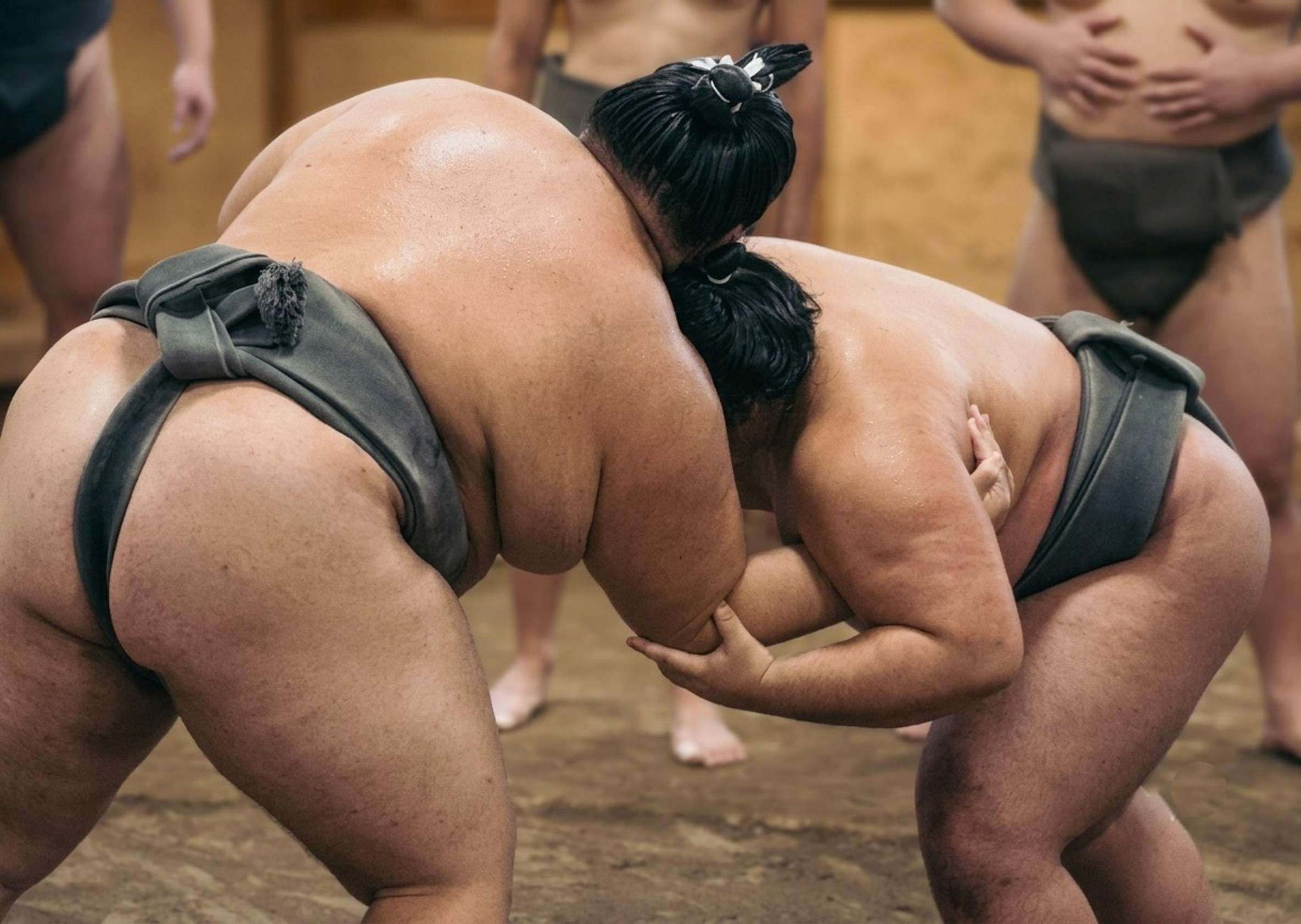
Watch authentic morning training with special access, hear the history from a sumo specialist, and cancel up to 24 hours ahead for a full refund.