
2 - 3 hours·English
5.0(4)
Fukuoka: Real Sumo Stable Morning Training & Photos
Free cancellationAdmission to Tamanoi Sumo StableIn English
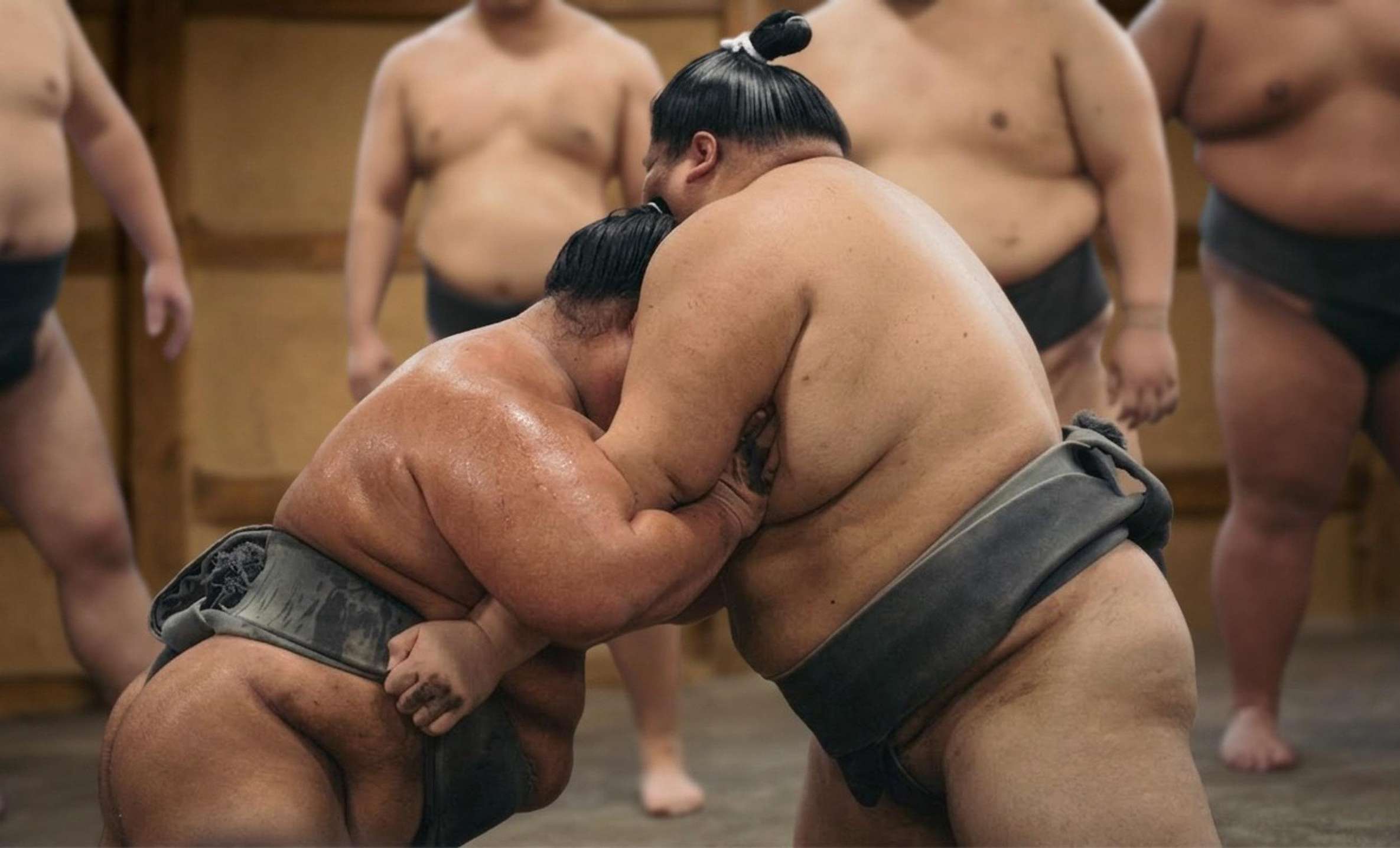
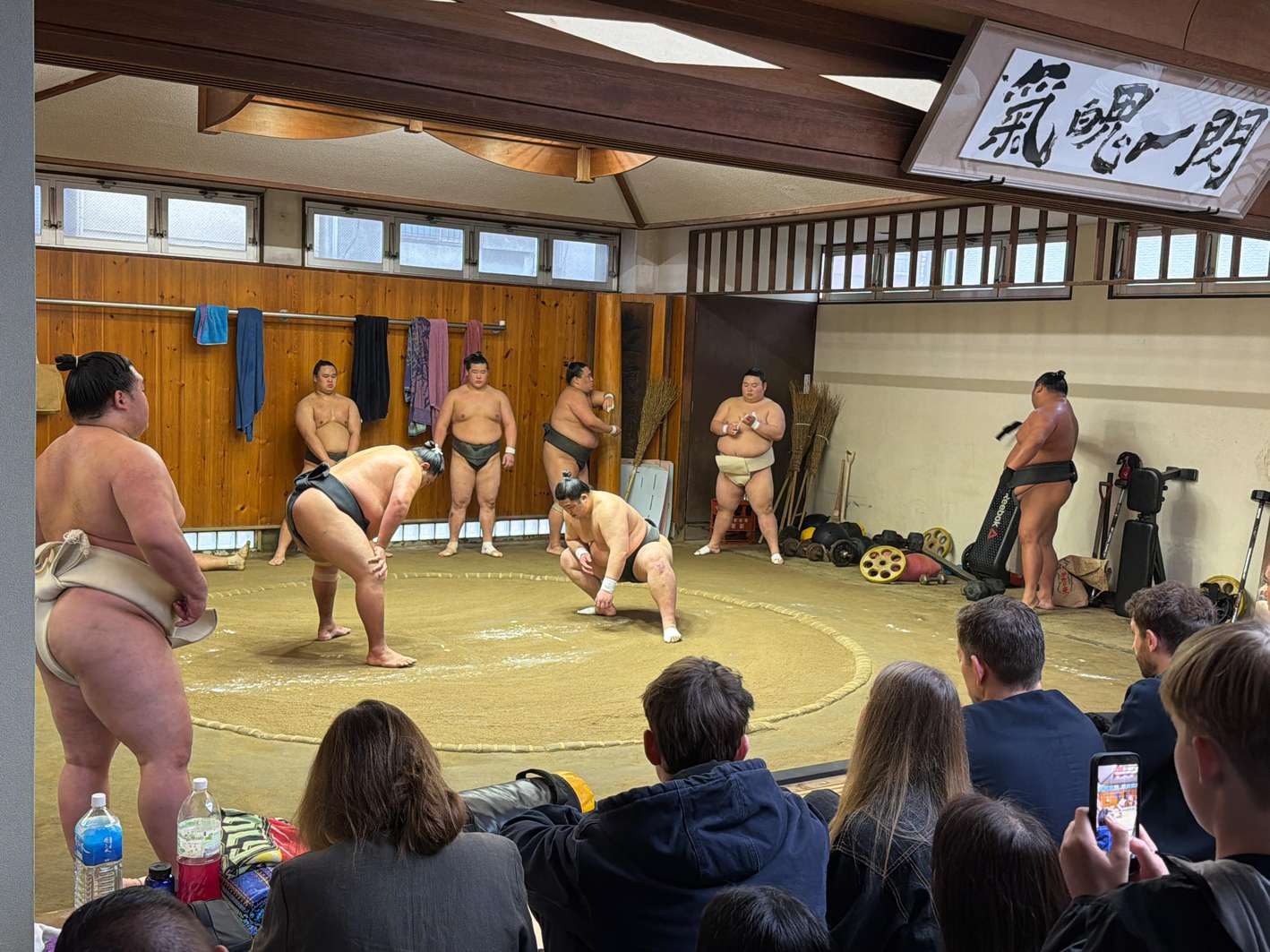
Book a guided visit to real morning practice and sit a meter or two from the ring as active wrestlers collide with a force that shakes the floor. An English-speaking sumo journalist secures your entry to a private stable, explains the rituals as they unfold, and handles every etiquette rule for you.
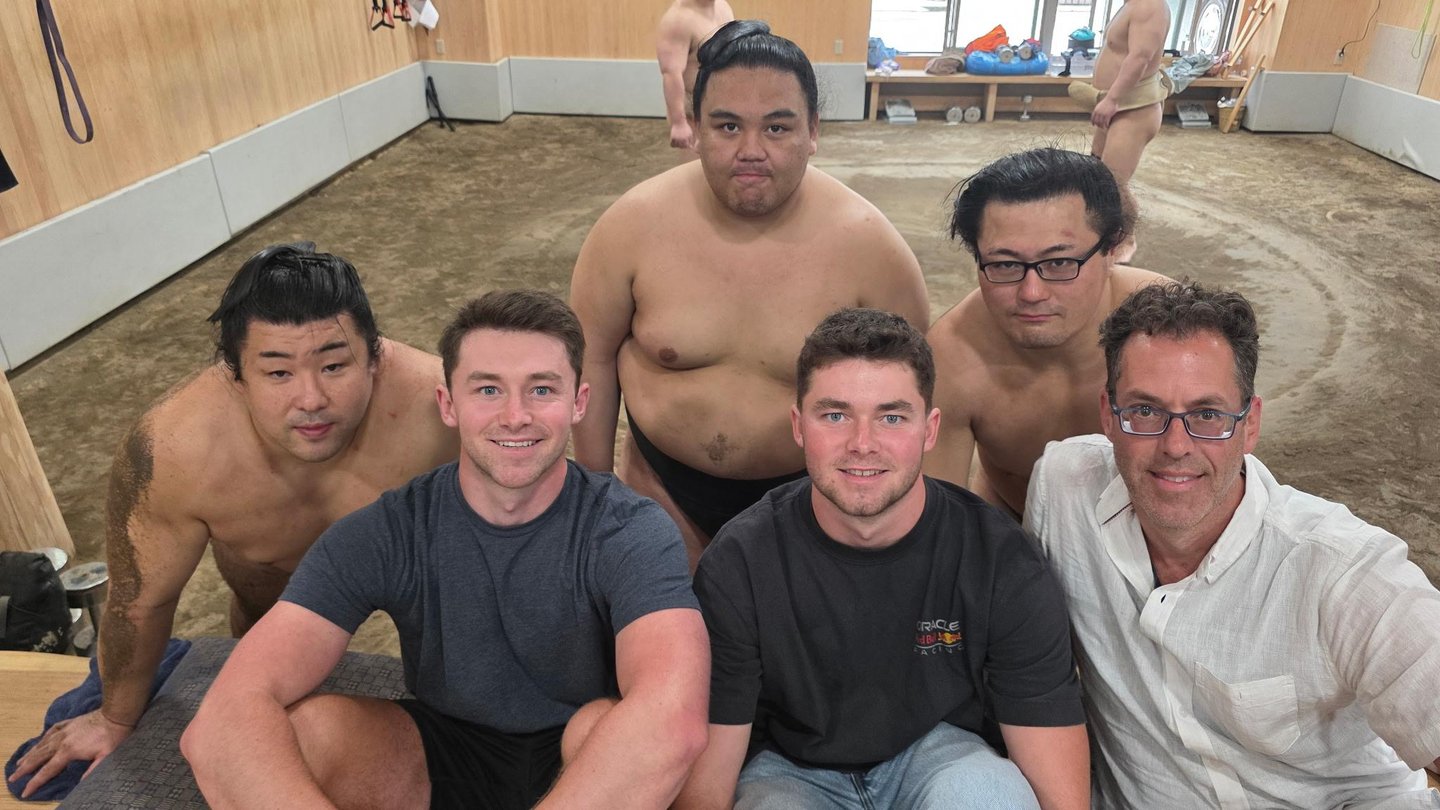
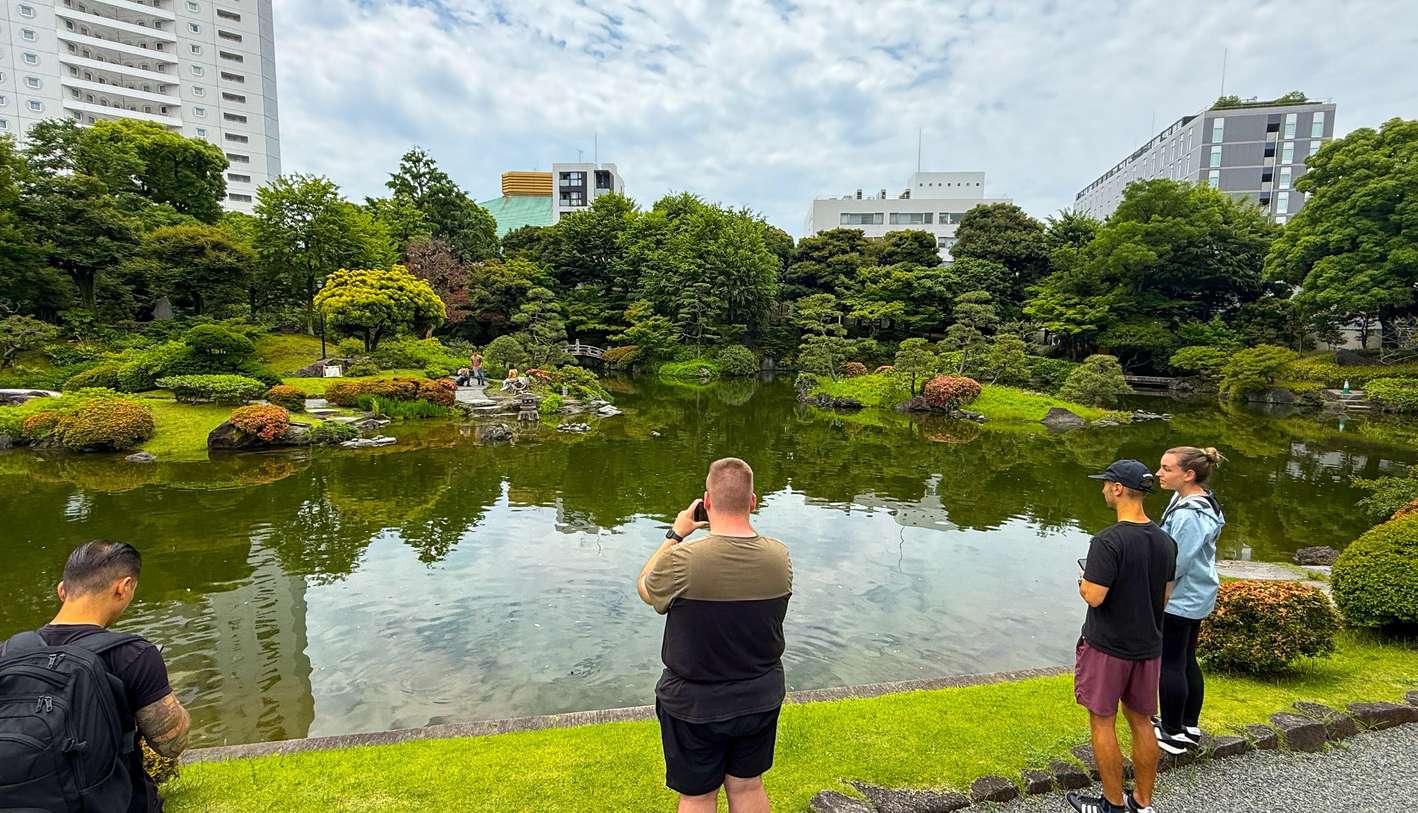
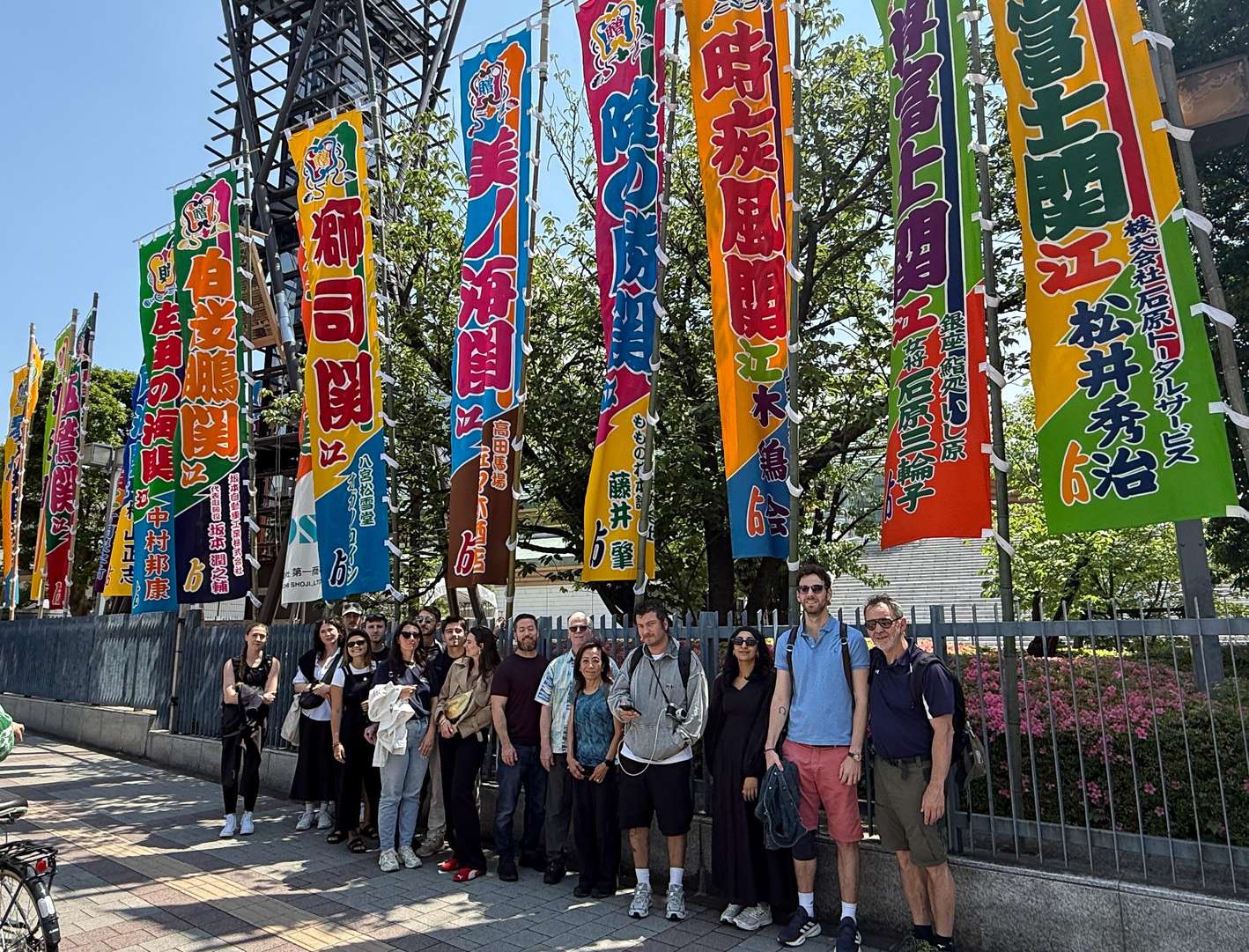
"Brilliant tour, highly recommend! Guides gave great info, watched 1.5 hours of training, got photos with sumos, then a lovely park walk plus souvenir shop, museum and stadium. Superb value!"





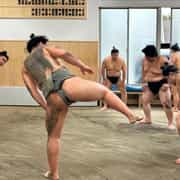
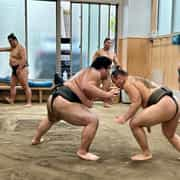

Two bodies hit the clay a meter from your knees, and nobody says a word. That room sits behind a private door. Here is how to book it, time it and behave inside it.
Stable keiko is real training by active wrestlers, watched in absolute silence from a meter or two away; dinner shows star retired performers, comedy and a meal.
You cannot walk into a stable unannounced; entry requires a guided tour or formal arrangement booked well ahead, and confirmations can take up to a week.
Stables empty out in March, July and November for the regional tournaments, plus about a week of rest after every tournament.
Arrive early: latecomers miss the group and get no refund, and the door stays shut once practice starts.
Inside, sit cross-legged on the floor for up to two hours, phones dark, no flash photos, and save every question until the final bow.
Check your travel dates against the tournament calendar before you plan a stable visit. If your trip falls in a closure month, you can still watch practice for free from the street window at Arashio stable on scheduled training days, or book an interactive show led by retired wrestlers instead.
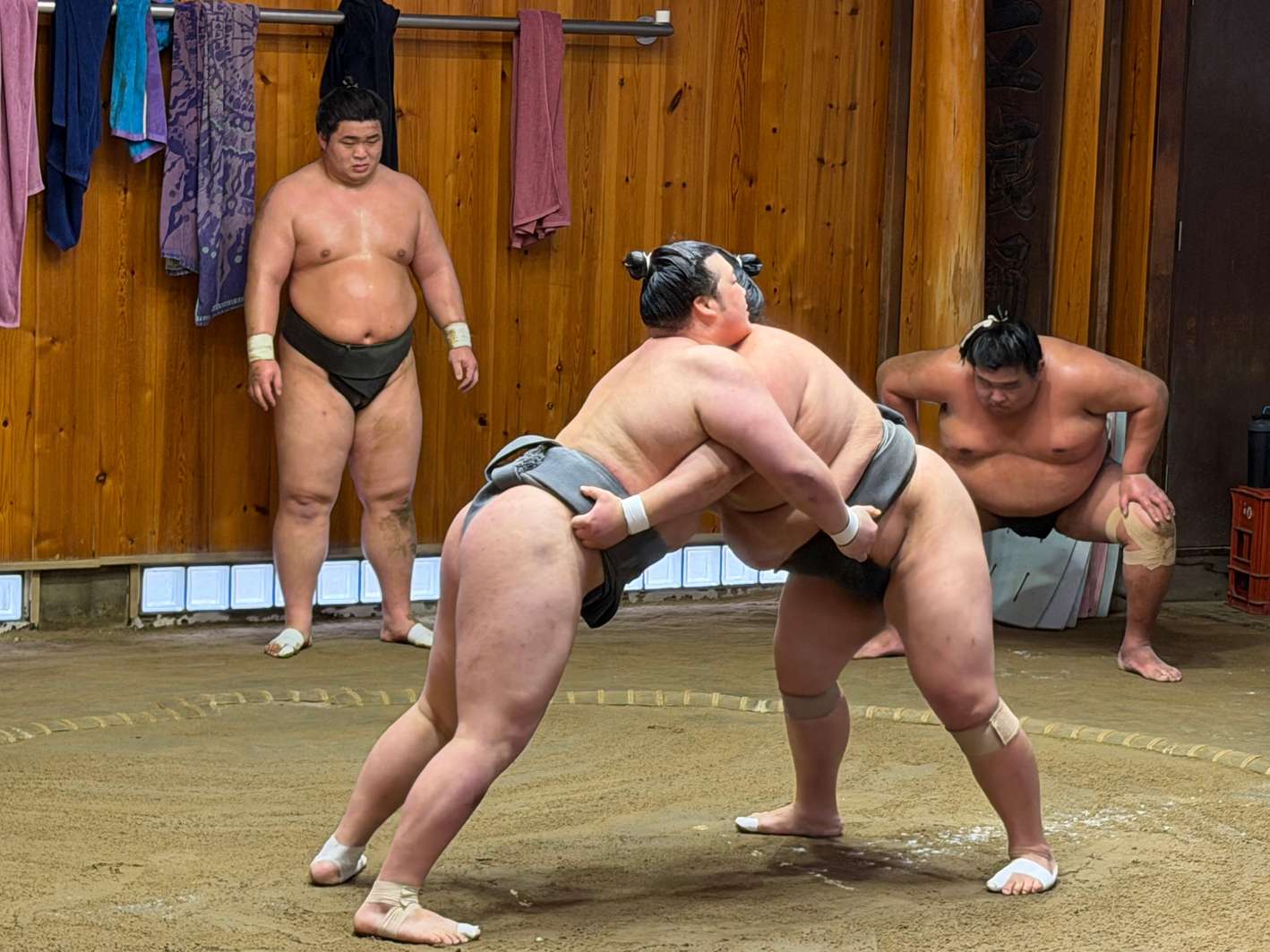
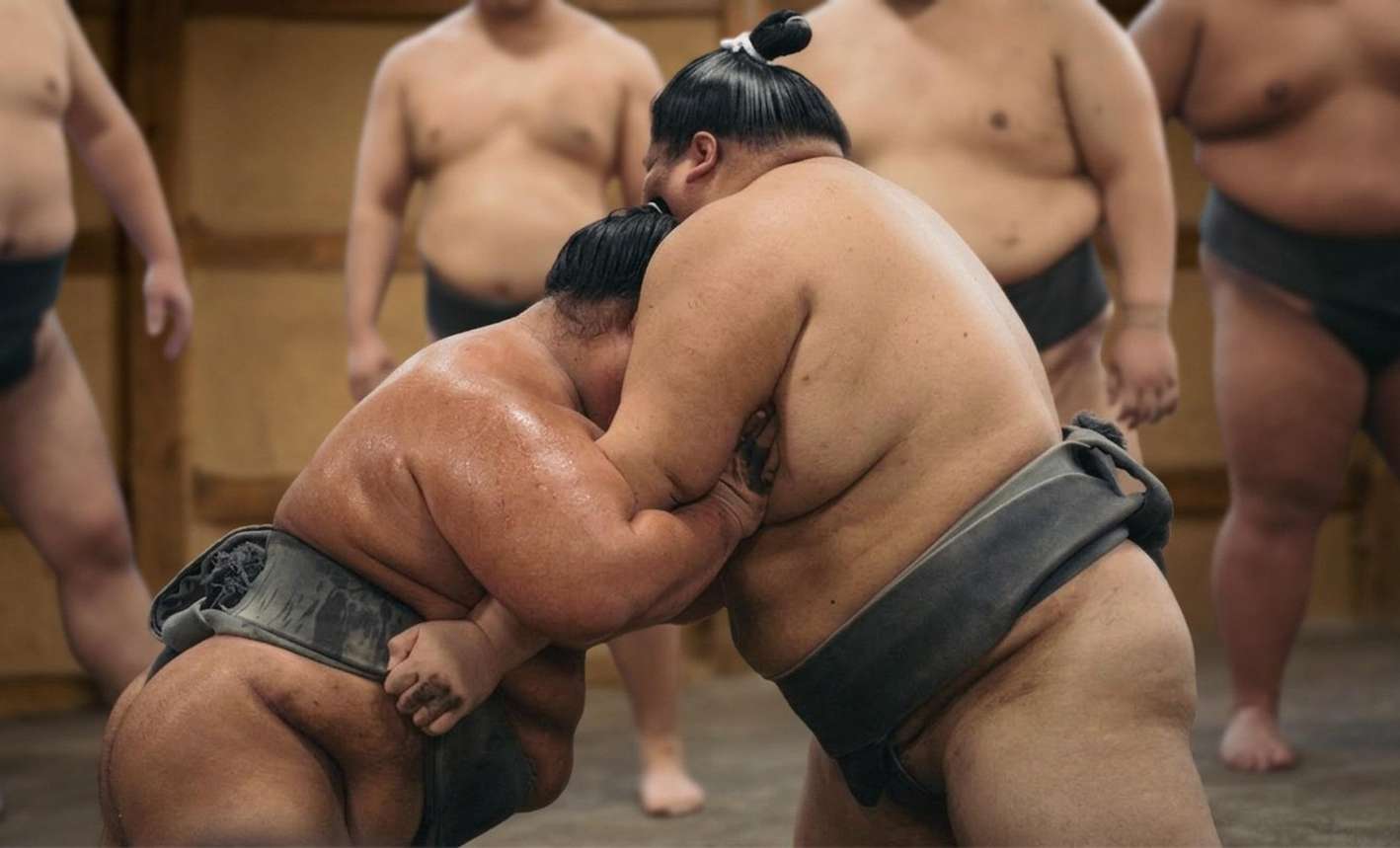
The sound arrives before you see anything. Two heavy bodies slam into the ring with a thud that moves through the floorboards, and the only other noise in the room is breathing.
At a stable morning practice, visitors sit along the training room edge, a meter or two from the ring, sometimes closer still. At the Kokugikan, ordinary seats sit 8 to over 30 meters out.
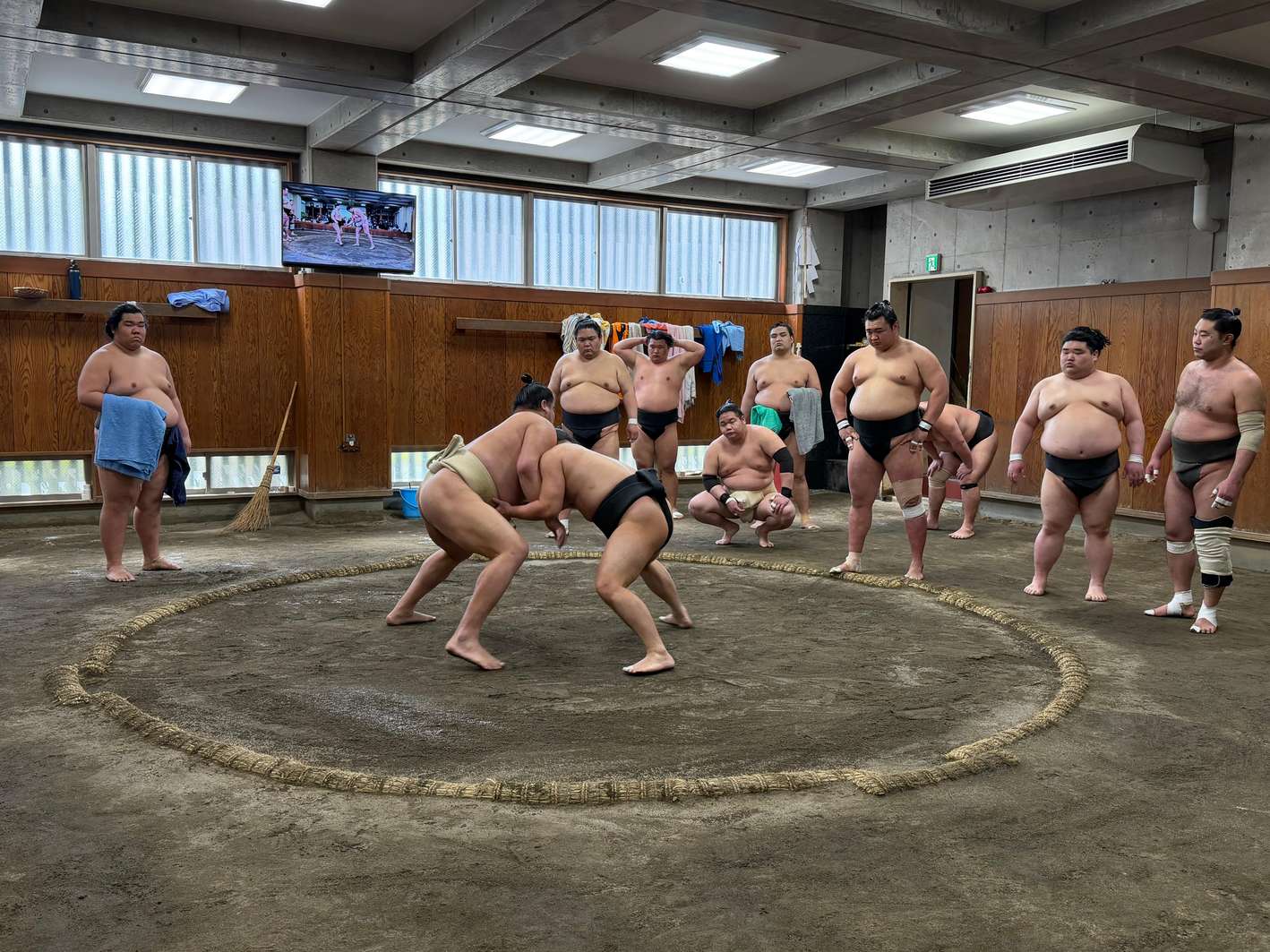
What you are watching is the real thing: active tournament wrestlers running a serious workout, unscripted and uncommented. Nobody explains it to you while it happens, nobody poses, nobody plays to the room. It lasts 60 to 120 minutes and you sit still through all of it.
That is either exactly what you came to Tokyo for, or it is not. If you want laughter, explanations in English, a hot pot meal and a photo with the wrestlers, an evening show delivers all of that, with retired wrestlers who spar playfully with volunteers.
Book a dinner show hoping for raw training and you come away with theater; book morning practice hoping for a show and you come away bored. Choose on purpose.
For the lively alternative, see sumo shows in Tokyo, where dinner events across the city are covered in detail.
| Authentic stable keiko | Active wrestlers, 1 to 2 meters from the ring, absolute silence, no food or talk | |
|---|---|---|
| Arashio street window | Free, standing on the sidewalk, restricted sightlines | |
| Evening dinner show | Retired wrestlers, English MC and comedy, chanko meal and photos |
The rows come down to temperament. If you would rather eat, laugh and take photos, the dinner show row is your evening. If the free window suits your budget and your feet, plan it around a scheduled training day.
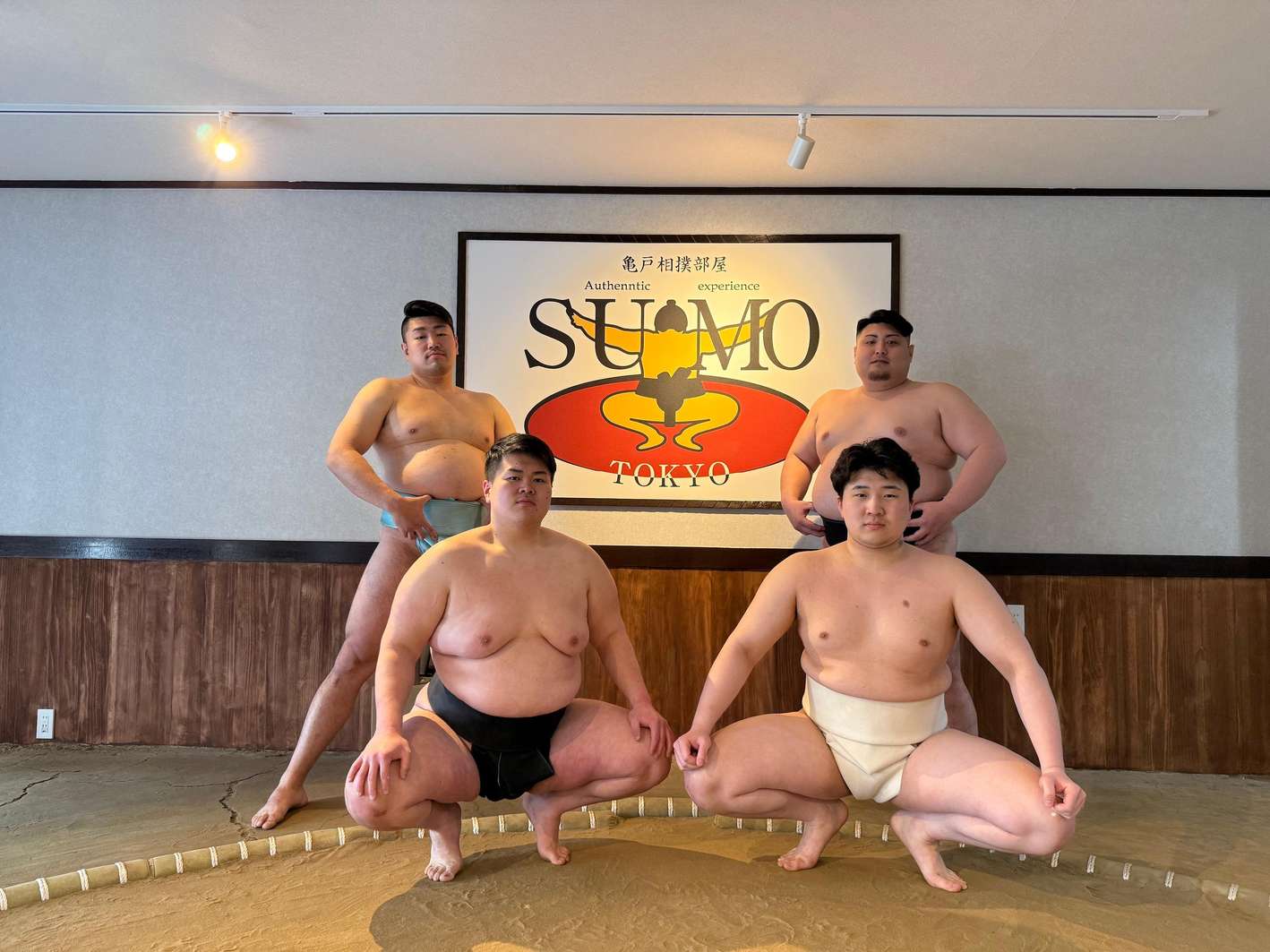
The path runs through a tour operator, always. Active stables in Tokyo do not let foreign visitors walk in off the street for morning training; most will not admit tourists at all unless someone fluent in Japanese accompanies them to handle gym etiquette.
Inside seats come one way: a guided tour or a formal arrangement, booked before you travel.
Book far ahead. Spectator capacity at a stable is tiny, and bookings made only days out routinely find everything gone. Confirmations can take up to a week, because the operator coordinates directly with the stablemaster, and schedules are generally fixed only a few weeks to a couple of months ahead.
Finding the place is its own case for a guide. Stables near Ryogoku sit in converted residences down side streets, marked by nothing more than a discreet plaque.
Tokyo: Sumo Watching with journalist and walks earns its entry this way: access comes by special permission, and a sumo specialist who writes for a national newspaper walks you in, explains the history and rituals, and takes your questions afterwards.
Five checks separate a smooth viewing from a turned-away morning:
| Check | Why it matters | Our pick |
|---|---|---|
| Guaranteed entry | Walk-ins are turned away, so entry must rest on a formal arrangement | Secured by special permission from the operator |
| Etiquette support | A guide enforces the silence rules and keeps you welcome | A sumo specialist journalist leads, with an interpreter |
| Group size | Stable capacity is tiny and late bookings sell out | Small-group viewing with commemorative photos included |
| Confirmation lag | Operators coordinate with stablemasters, so expect days | Booked ahead, entry arranged before you travel |
| What you get after | Questions and photos wait until training ends | Time to ask everything, photos included |
Run your own booking against those five lines. A stable visit that misses the first one fails no matter how good the guide is.
Wrestlers do not stay in Tokyo all year. In March, July and November the whole population leaves for the regional Grand Sumo tournaments in Osaka, Nagoya and Fukuoka, and every dojo in the city goes quiet until they return.
Add about a week of rest after each of the six annual tournaments, and the gaps start to look substantial.
The tournament months in Tokyo itself, January, May and September, bring their own restriction: stables do not host public morning practices while a tournament is underway at the Kokugikan.
The official Grand Tournament Schedule published online lists dates up to two years ahead, so lay your travel dates over it before you lock hotels. October works well: guided tours run, and Arashio stable lets passersby watch from the street window, 7:30 am to 9 am on scheduled training days.
Search interest spikes in November, precisely when there is nothing to watch. Do not be that traveler.
For what the neighborhood itself offers any day of the year, see Ryogoku, the sumo district.
November: search interest 50,798 readers a month. Tokyo stables cancel all morning practice in November while wrestlers compete in the Fukuoka tournament.
Tap a month to read it.
February: 5 out of 5 for practice availability. Regular morning practice
Tap a month to read it.
The pattern in the numbers is blunt: the months with the most reader interest, November especially, are the months with the least practice available. February, June, August and December are the quiet wins, when stables train and crowds are thinner.
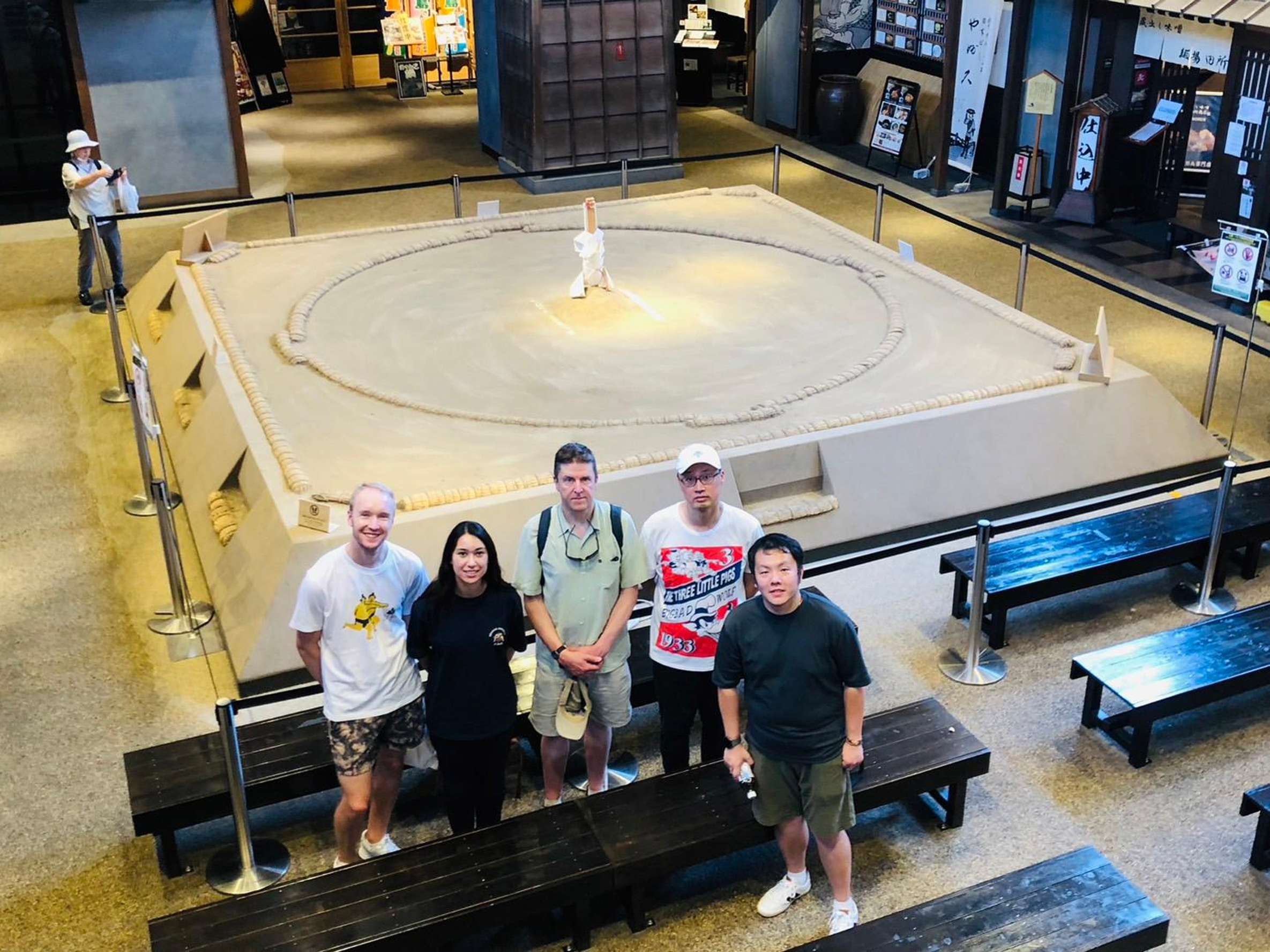
The day starts the night before, with the alarm. Tours typically meet near the stable between 7 am and 7:30 am, and the session runs until roughly 9 am or 10 am.
Arriving on time is the whole ticket. Visitors who are not at the stable right before practice starts cannot enter, and guests who arrive late and miss the group lose the tour, the refund and the reschedule, all three. Sumo mornings do not run on flexible time.
Once through the door, shoes come off at the entrance. Then the odd part: nobody talks you through what is happening.
Guides hand out printed briefing sheets outlining the rules and training moves, so you can follow the session without a word being spoken inside the room. The silence is the rule itself, and the folder is how you keep it.
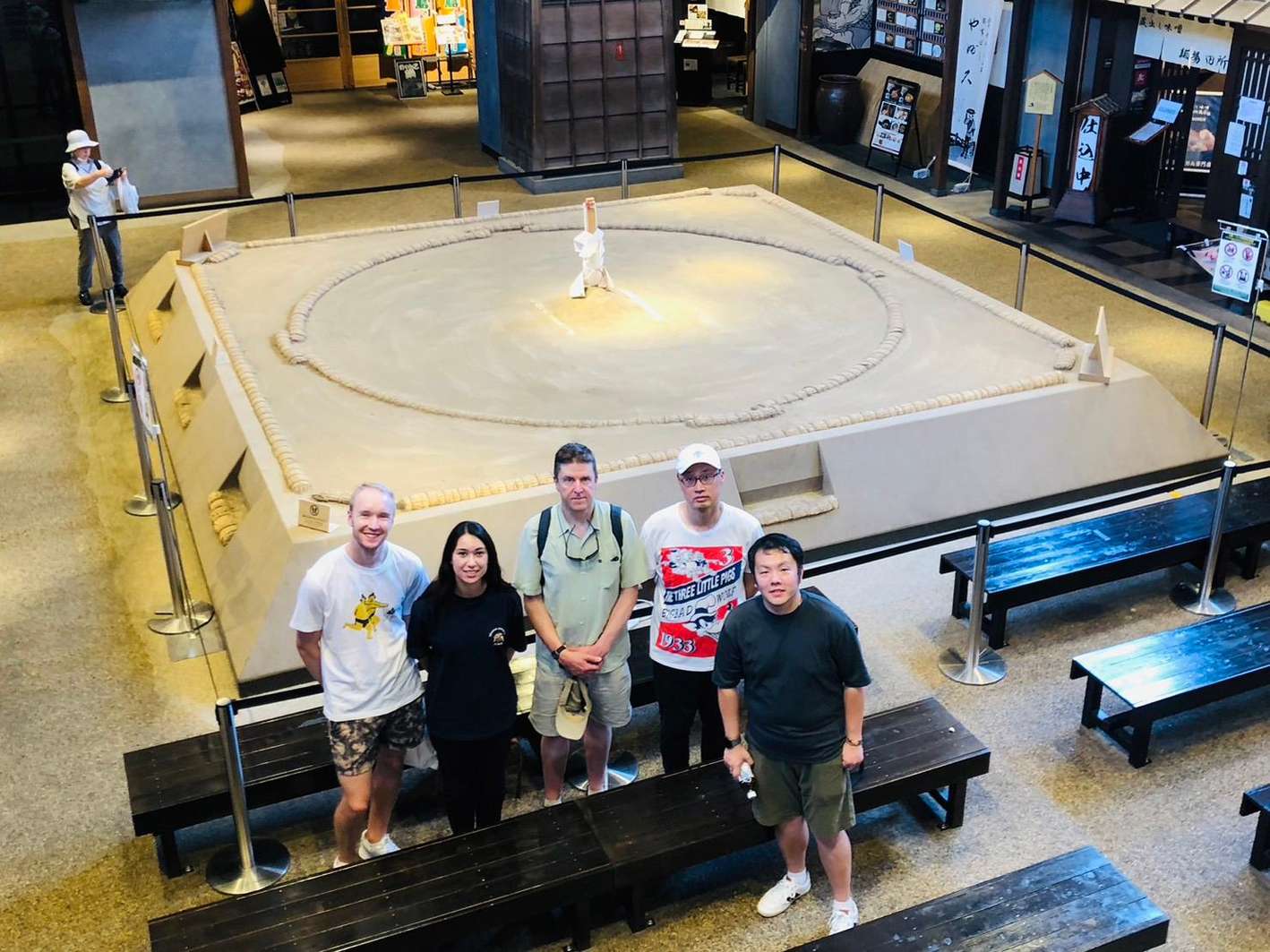
You watch. That is all. After the final bow, and if the wrestlers' schedules allow, there are commemorative photos. Then you are out by mid-morning with a full day ahead of you.
The whole morning, laid out end to end:
Late means no entry and no refund
The folder replaces a talking guide
No flashes, phones dark, no moving around
The only permitted photo moment
Chanko lunch follows nicely
Set two alarms. A single one, on a jetlagged first morning in Tokyo, is how latecomer stories begin.
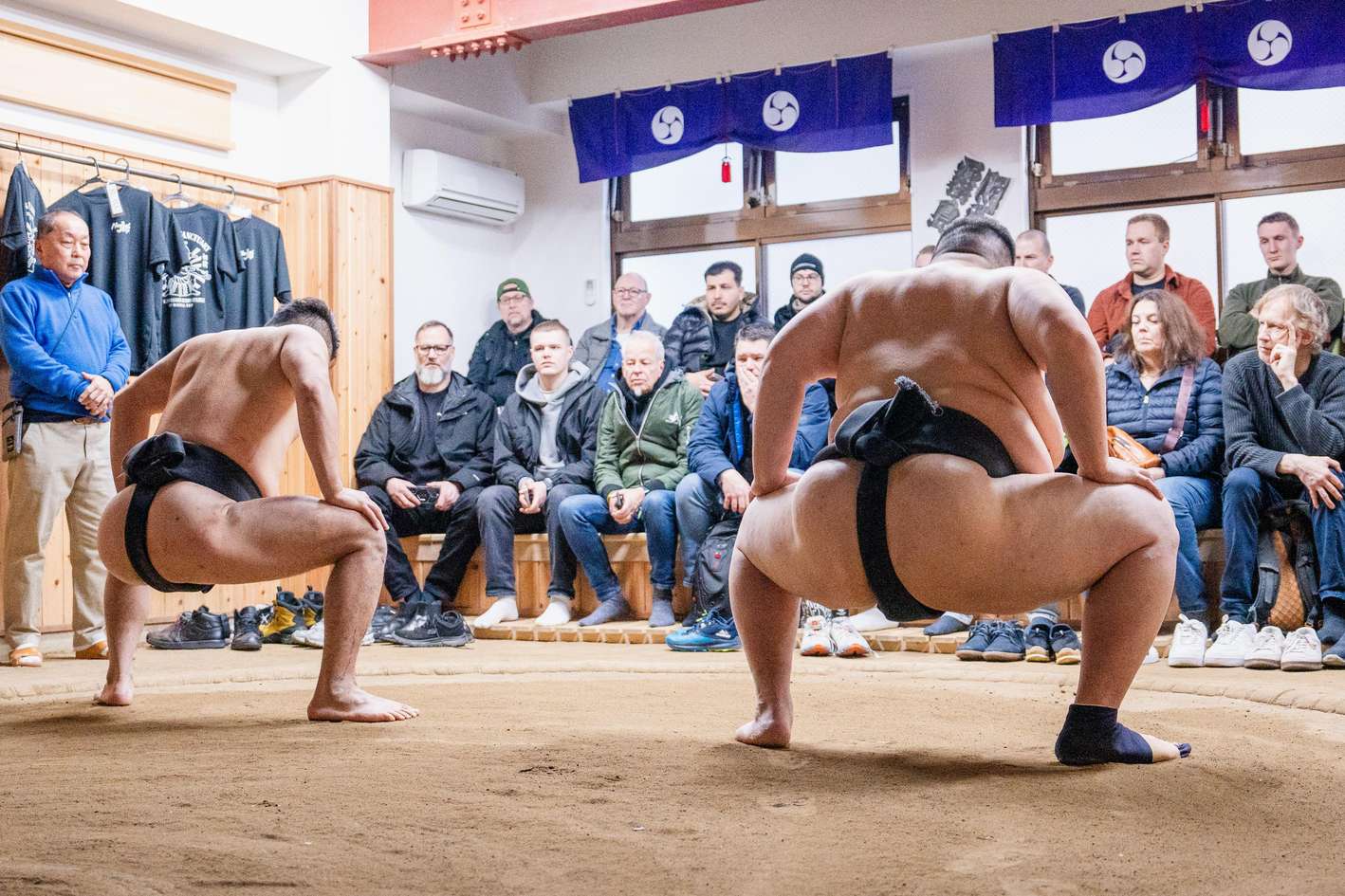
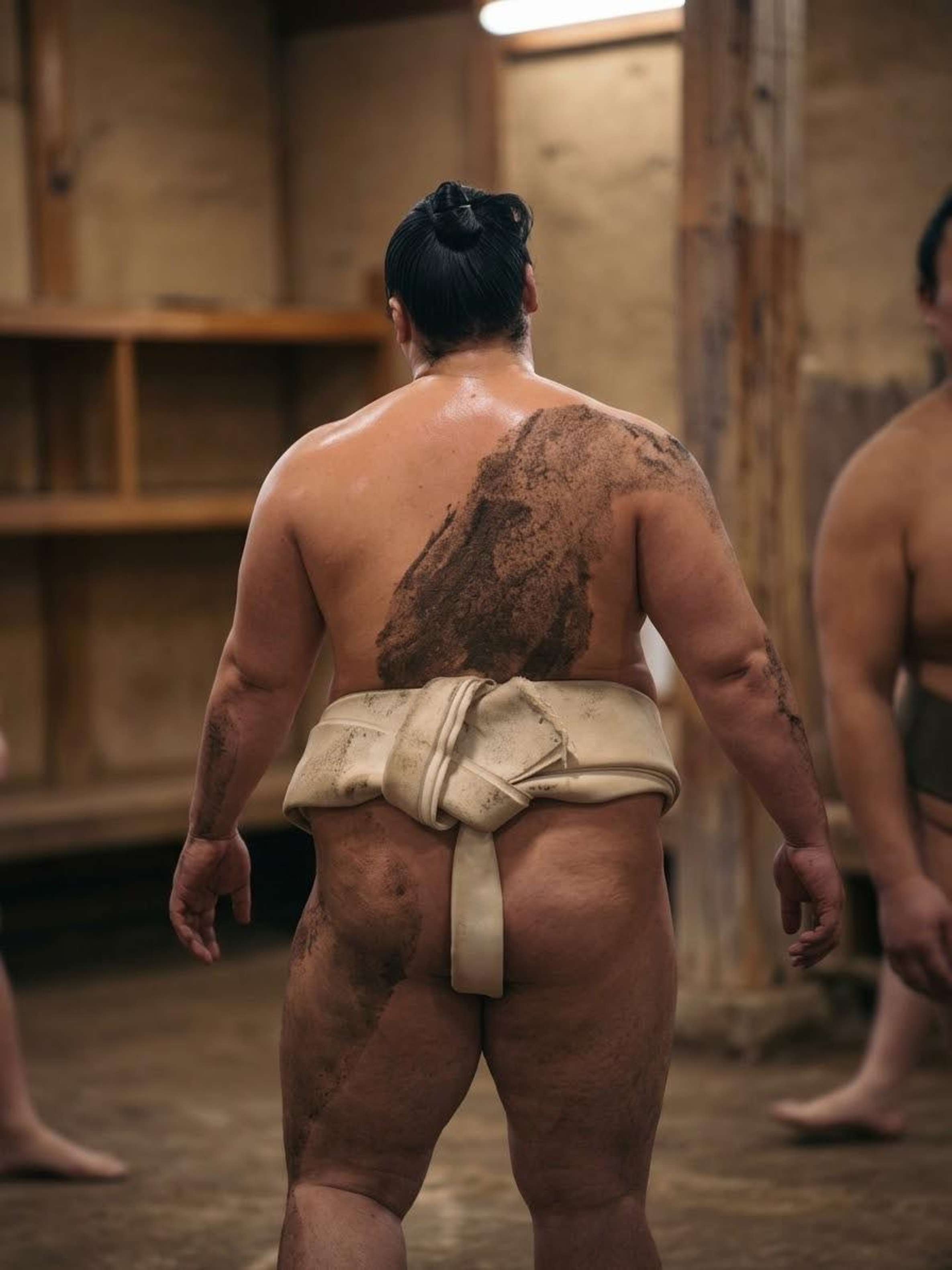
The clay ring is not a sports surface. It is ritually purified ground in the Shinto tradition, treated as consecrated space, and no visitor ever touches or steps on it. Everything else in the room follows from that idea.
The practical code: sit cross-legged, in seiza, or knees-up on your cushion, and never point the soles of your feet toward the ring. Keep your assigned place for the whole session; standing up to take a photo can get you told to sit, or told to leave.
Phones go dark. Whispering counts as talking. No food, no drink. Dress modestly, no tank tops or shorts, because the dojo is a place of ritual before it is a gym.
Photography has a pattern worth memorizing. Flashes are banned everywhere, always. Photos without flash are fine as long as they stay out of the way of the training, though some stables ban mid-practice shooting entirely, and approaching wrestlers while they train is out of the question in every stable.
The permitted picture, the one with wrestlers in it, happens after the session.
A few things catch every first-timer:
Talking is forbidden inside the training room, so the guide cannot speak
The briefing sheet explains the moves and rules without a word spoken
Even explanations hold until after the final bow
The only sanctioned photo session follows the whole session
None of it asks for anything harder than stillness. Follow the folder and you stay welcome for the full session.
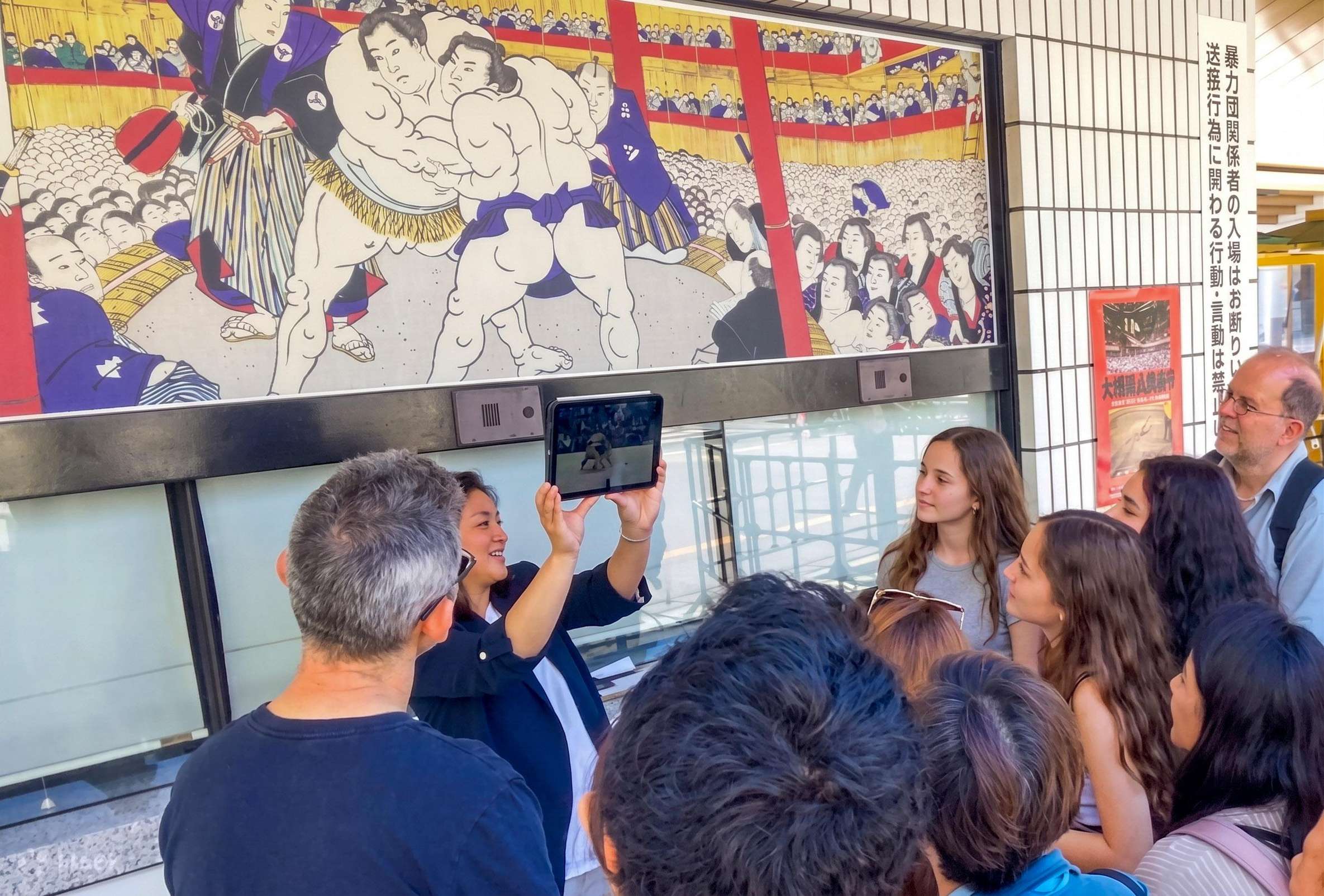
The honest cost of the best seat in Tokyo is your backside. Morning practice viewing means the floor: cushions where a stable provides them, bare tatami where it does not, and knees that start negotiating around the hour mark.
Legs straight out in front of you are not allowed, so pick a posture you can hold.
Dress for it. Loose, modest clothing works all year: relaxed trousers or a long skirt. Winter is the test, when unheated dojos meet morning temperatures near freezing, so bring warm layers and heavy socks, since your shoes come off at the door.
Summer mornings sit in the low twenties, breathable fabrics only. If knees or hips make the floor a non-starter, ask for a chair when you arrive; some stables can produce one, though a few viewings provide none at all.
Families, weigh this honestly. Children may come only if they can sit quietly and still for the full session, and some viewings are unsuitable for babies under one. A wiggly six-year-old belongs at a hands-on class instead, covered on the sumo class page.
The people who come out smiling are the ones who treated the silence as part of the event. Two hours of stillness buys you something no stage can put on.
Done by mid-morning, the area gives the day back: museums, Sensō-ji and the Skytree all sit within a short walk, if your knees forgive you.

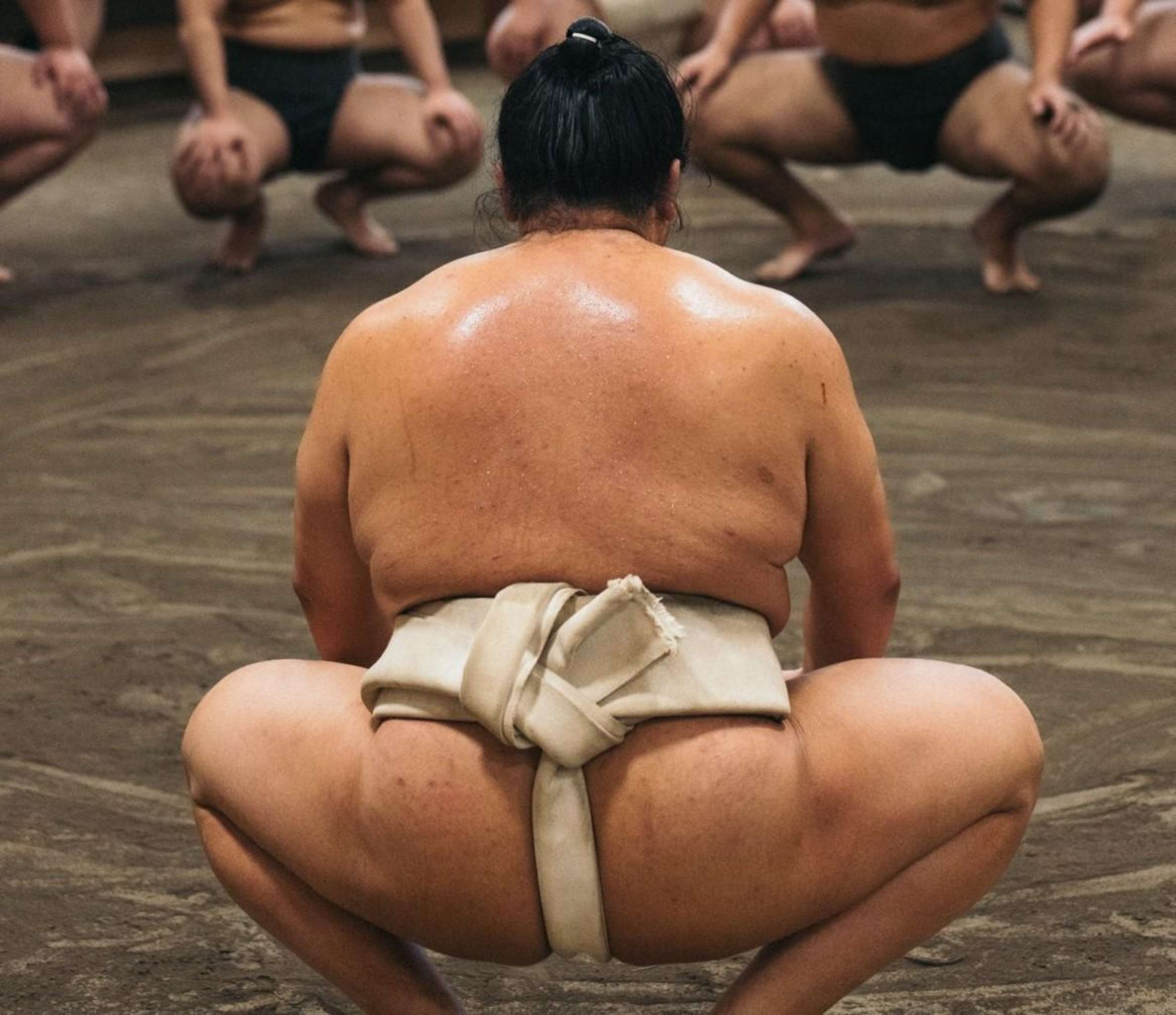
For travelers who want the raw, unscripted side of sumo, a guided morning practice visit is the best ticket in Tokyo, and the only reliable door into a private stable. Book weeks ahead, keep the calendar gaps in mind, and dress for two hours on a cold floor.
If two silent hours on a floor sound like a chore, an evening show will serve you better.
Find your way around Ryogoku, the sumo quarter, without wandering lost through its side streets.

Taste chankonabe, the hot pot wrestlers eat twice a day, at places run by former rikishi.
Compare Tokyo and Osaka for tournaments, stables and shows before you fix your itinerary.
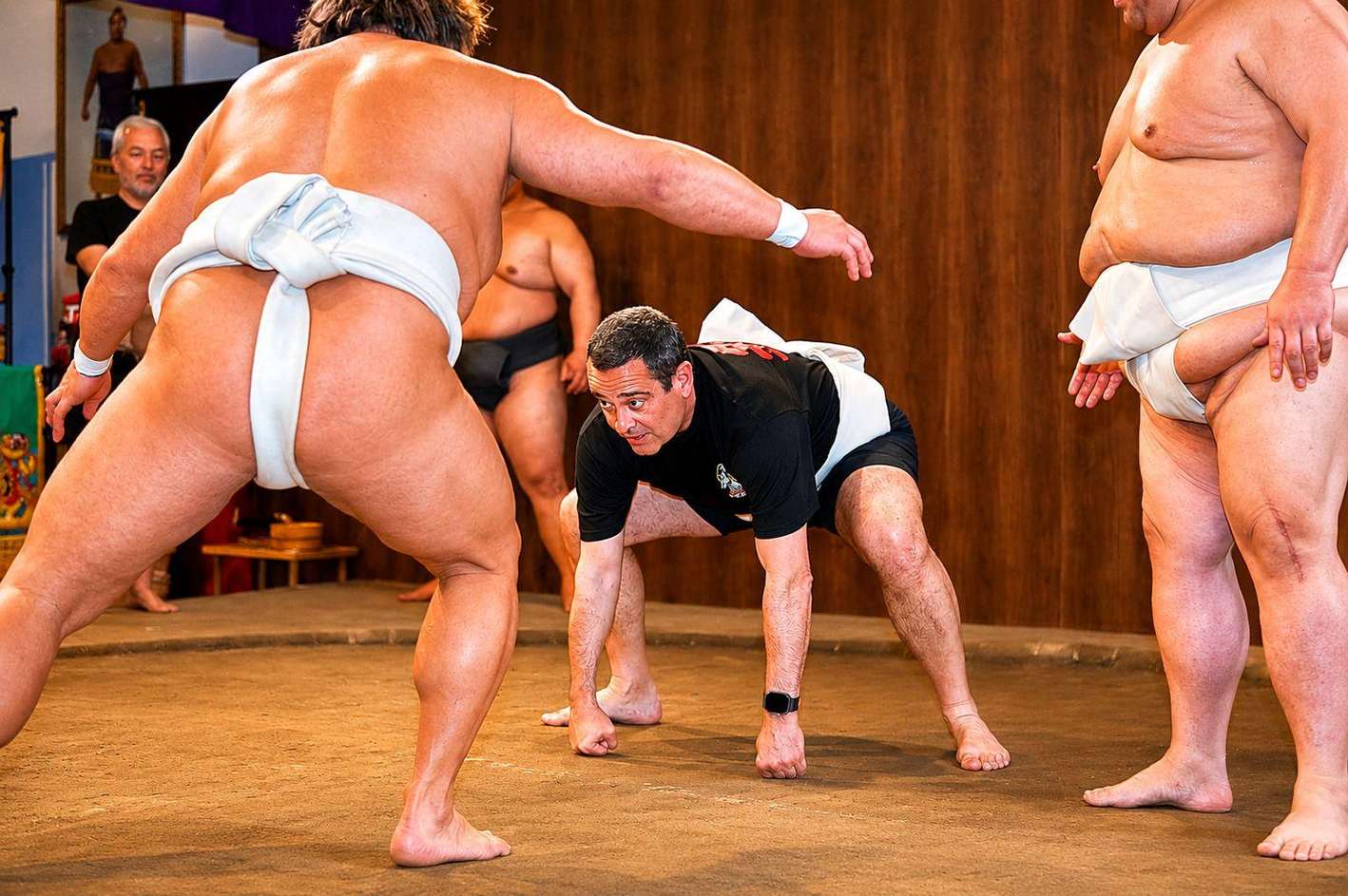
Want to wrestle instead of watch? Book a gym class and learn the moves yourself.
Quick answers to what travelers ask most about sumo morning practice in Tokyo.
 Tokyo2026
No. Active stables do not allow walk-in viewing inside, and most will not admit foreign visitors without a fluent Japanese speaker. Getting in means booking a guided tour or making a formal arrangement.
Yes. Arashio stable in Nihonbashi-Hamacho has street-facing windows, so you can watch training from the sidewalk from 7:30 am to 9 am on scheduled practice days, no reservation needed.
Stables cancel all practice in March, July, and November, when wrestlers move to the tournaments in Osaka, Nagoya, and Fukuoka. Practice also pauses for about a week after each of the six annual tournaments.
Sit still and stay silent for the whole session. Cross-legged or kneeling on a cushion is fine, but never point the soles of your feet at the ring. No talking, phones on silent, no eating or drinking.
Loose, modest clothing you can sit on the floor in for 90 to 120 minutes. Stables are unheated, so in winter bring warm layers and thick socks for the cold floor. Skip shorts and sleeveless tops.
Photos are usually fine as long as they stay quiet and out of the way, but flash is banned everywhere and some stables forbid photography mid-session. Phones are not allowed in the viewing area on some tours.
Very close. Visitors sit along the edge of the ring, typically 1 to 2 meters away, sometimes closer. At a tournament, even standard seats sit 8 meters or more from the action.
Only if they can sit quietly for the full hour or two. Complete silence and stillness are enforced, so it suits older kids better than toddlers, and some viewings are not suitable for babies under 1.
Often yes. Commemorative photos after practice are common, though they depend on the wrestlers' schedules that day. Some tours list a photo as included.
Keiko is a real, unscripted workout by active wrestlers in near-total silence, with no commentary. Dinner shows feature retired wrestlers, English MCs, comedy, and chances to step into the ring. Both have value, but they are different things.
At many morning practice viewings you can request a chair when you arrive. On some tours under city tourism rules, though, everyone sits on the floor and no chairs are provided, so check before booking.
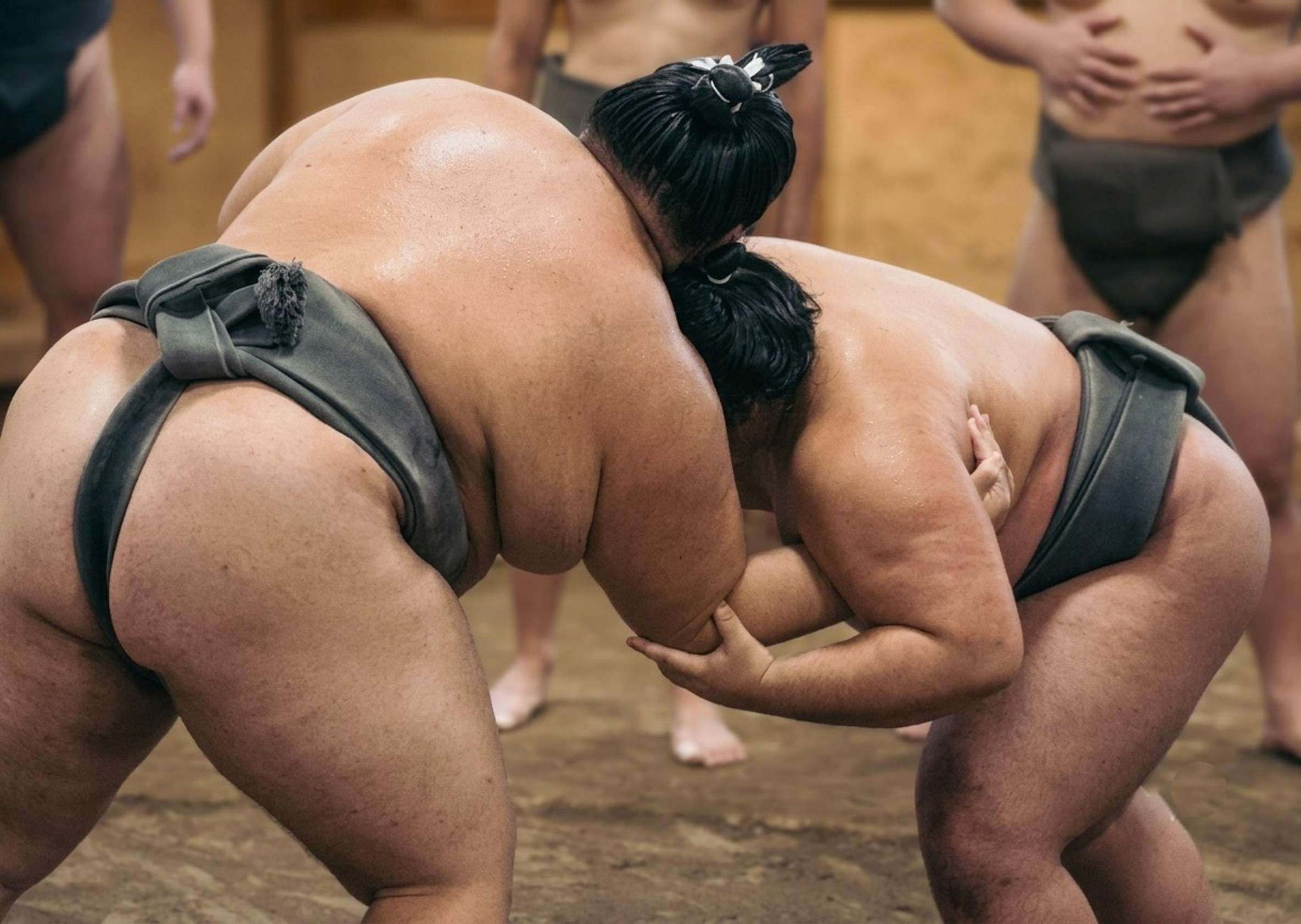
Sitting a few steps from the ring, you watch real training with special-permission access, guided by a sumo journalist, and you can cancel free up to 24 hours before.