4.829,570 ringside challengers got thrown in Shinjuku
Sumo Show in Tokyo Best Way to Experience Authentix Sumo Wrestling
Watch retired pro wrestlers clash, cheer, and step into the ring yourself. Book a Tokyo sumo show with former professionals, live bouts, and the chance to face one in a real dohyo, then feast on traditional chanko hot pot the wrestlers eat. Matches, hot pot & photos, all with English commentary, close to Shinjuku, Shibuya, Ginza, and Asakusa.
4.8★average rating29,570traveler reviews9 of 10free cancellation55countries travelers came from
Sumo show Tokyo - which one fits your trip
Two things decide the choice: where the show sits and whether you eat while you watch. Shinjuku and Shibuya run short shows with a welcome drink, the lunch-and-dinner venue seats you on a full-size ring with a meal included, and the Tokyo Tower show pairs wrestling with a set dinner and other traditional acts.
Age limitsEvery age is welcome as a spectator, but ring challenges and hands-on sessions usually require children to be at least 5 and accompanied by a guardian.
MealsVegetarian, vegan and halal meals need requesting, some venues two days ahead, and a few cannot provide gluten-free food at all, though you may bring your own.
ChallengersRing spots are few and chosen by lottery, so stepping in is never guaranteed.
TimingStrictly scheduled shows may refuse late entry, and late arrivals and no-shows lose their refund, so arrive early.
Women and childrenMany tourist shows welcome women and kids onto the dohyo, unlike professional sumo.
Getting thereFrom Shinjuku, Ryogoku venues take about 22 to 25 minutes on the JR Sobu Line.
What to wearCome in loose sportswear, take your shoes off for the ring, and expect bare feet or socks on the clay.
Booking aheadBook in advance for weekend evenings and public holidays, when crowds are largest.
Which sumo show in Tokyo fits your trip?
Answer a few quick questions and the page picks the sumo show that matches who you are and what you want.
1Who's coming?
2What's your budget?
3What kind of trip?
Your best match
match
Tokyo: Shinjuku Sumo Show & Experience with a Photo★ 4.9 (9,863) · 1.5 hours · Live stage shows
Popular with families with kids or teens, friends, couples and solo travelers. 98% of each group gave it 4 or 5 stars.
Booked 10 times yesterday
A 1.5-hour Shinjuku show with a challenge, photo and welcome drink, at the lowest entry price.
Tokyo: Shibuya Sumo Show with Experience & Photo★ 4.9 (3,242) · 1.5 hours · Live stage shows
Popular with families with kids or teens, friends, couples and solo travelers. 100% of families and couples, 99% of friends and solo travelers gave it 4 or 5 stars.
Booked 0 times last week
A Shibuya show at 9:30 am or 2:30 pm, so it fits an open morning or afternoon.
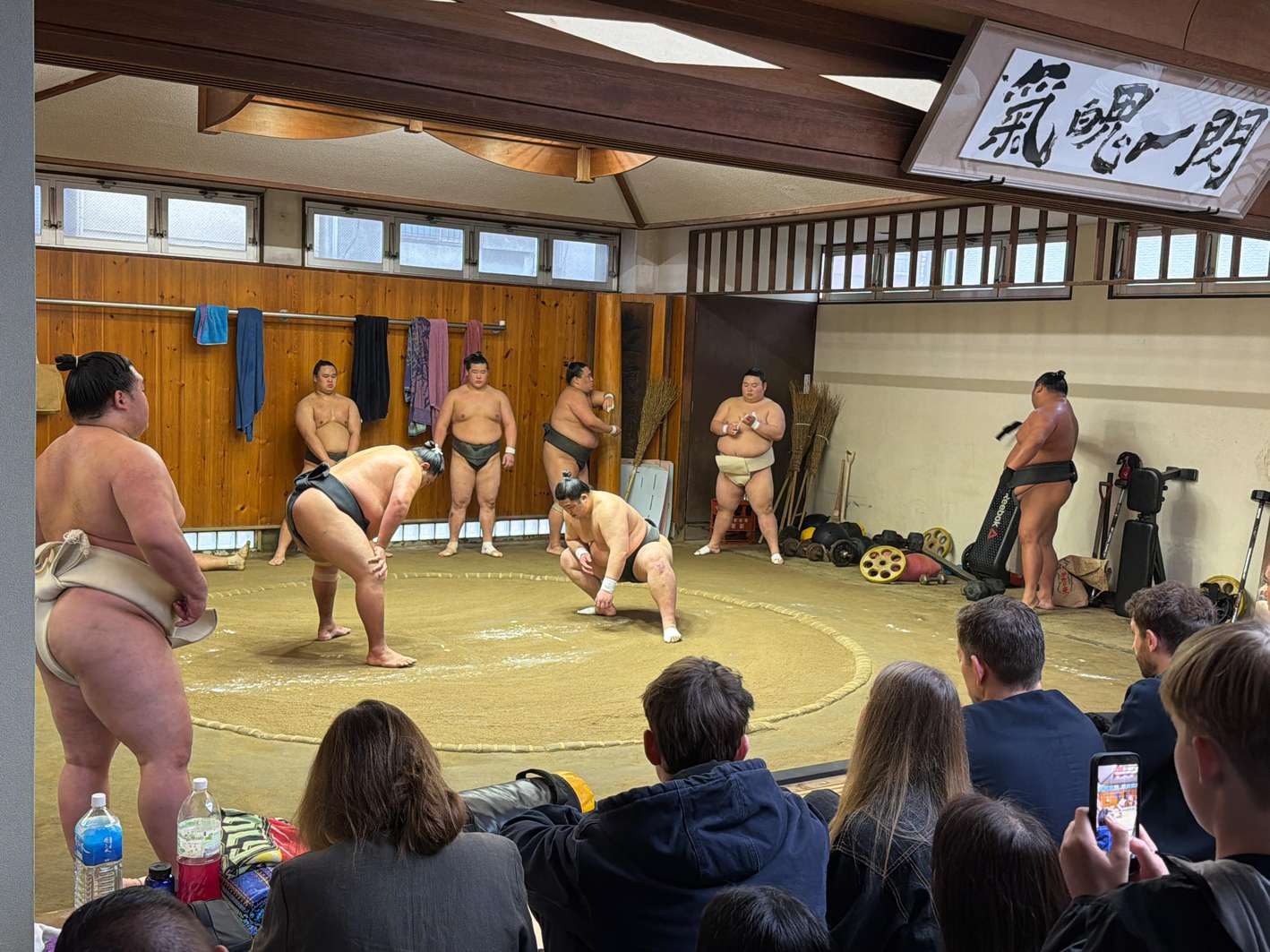
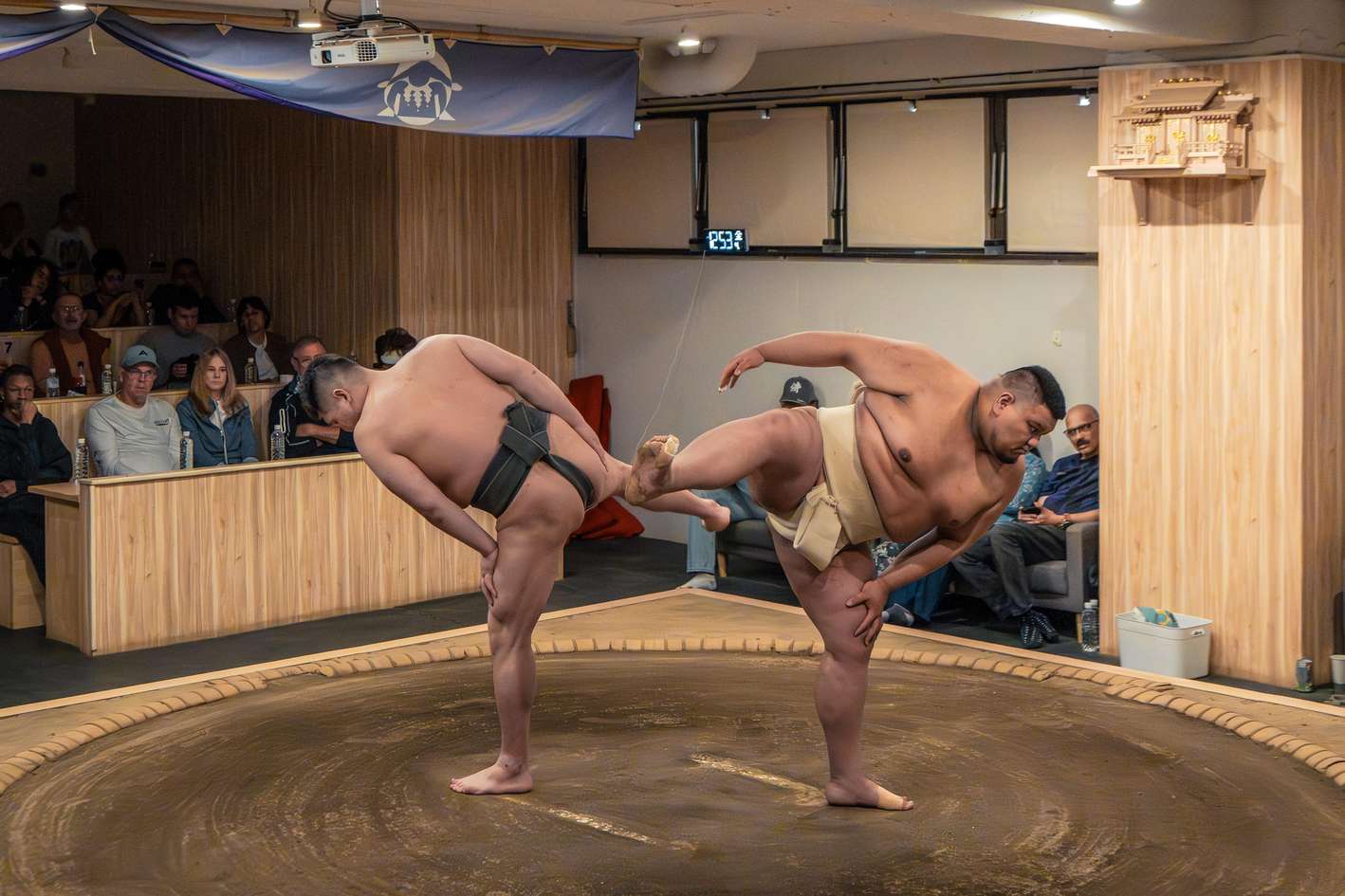
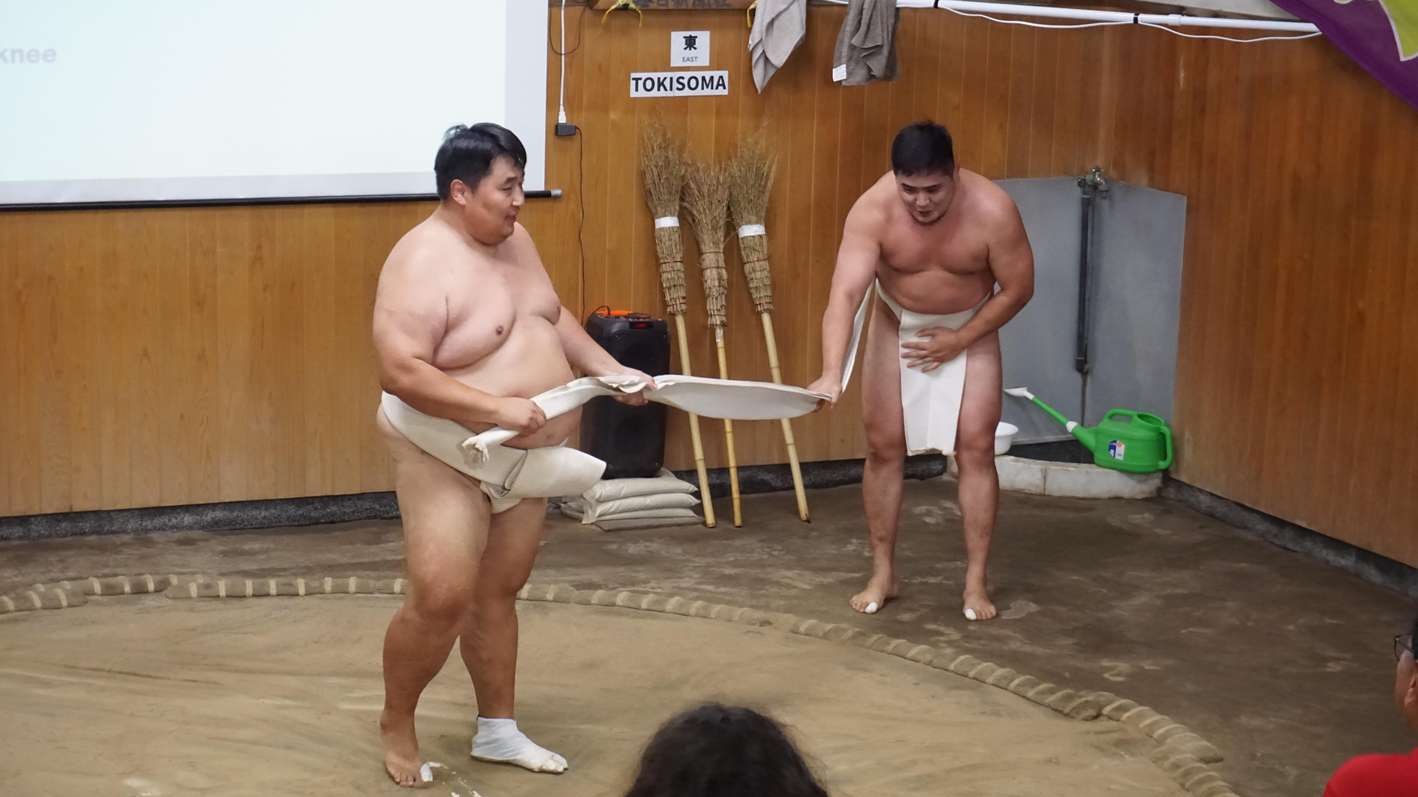
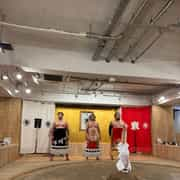
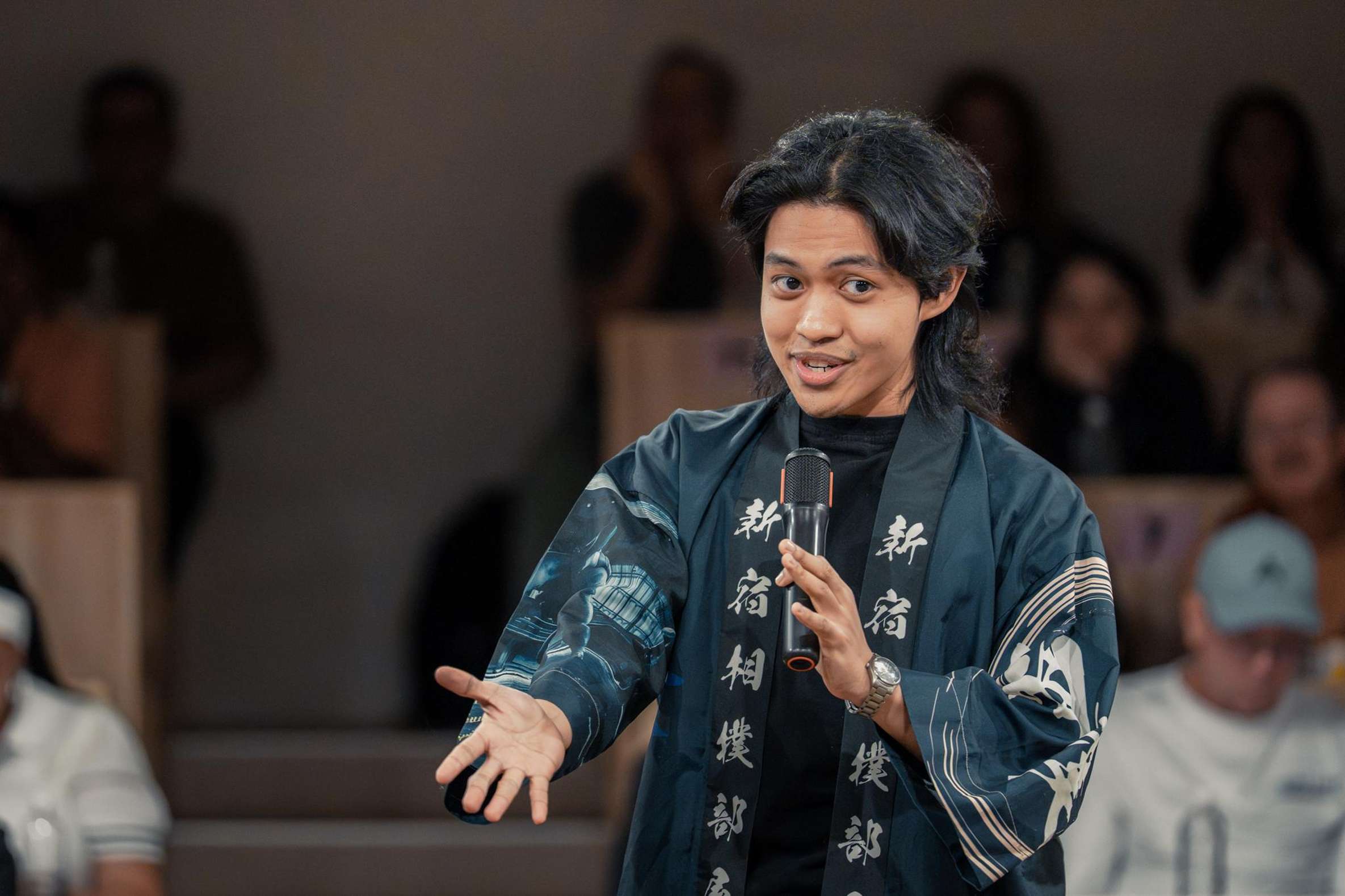
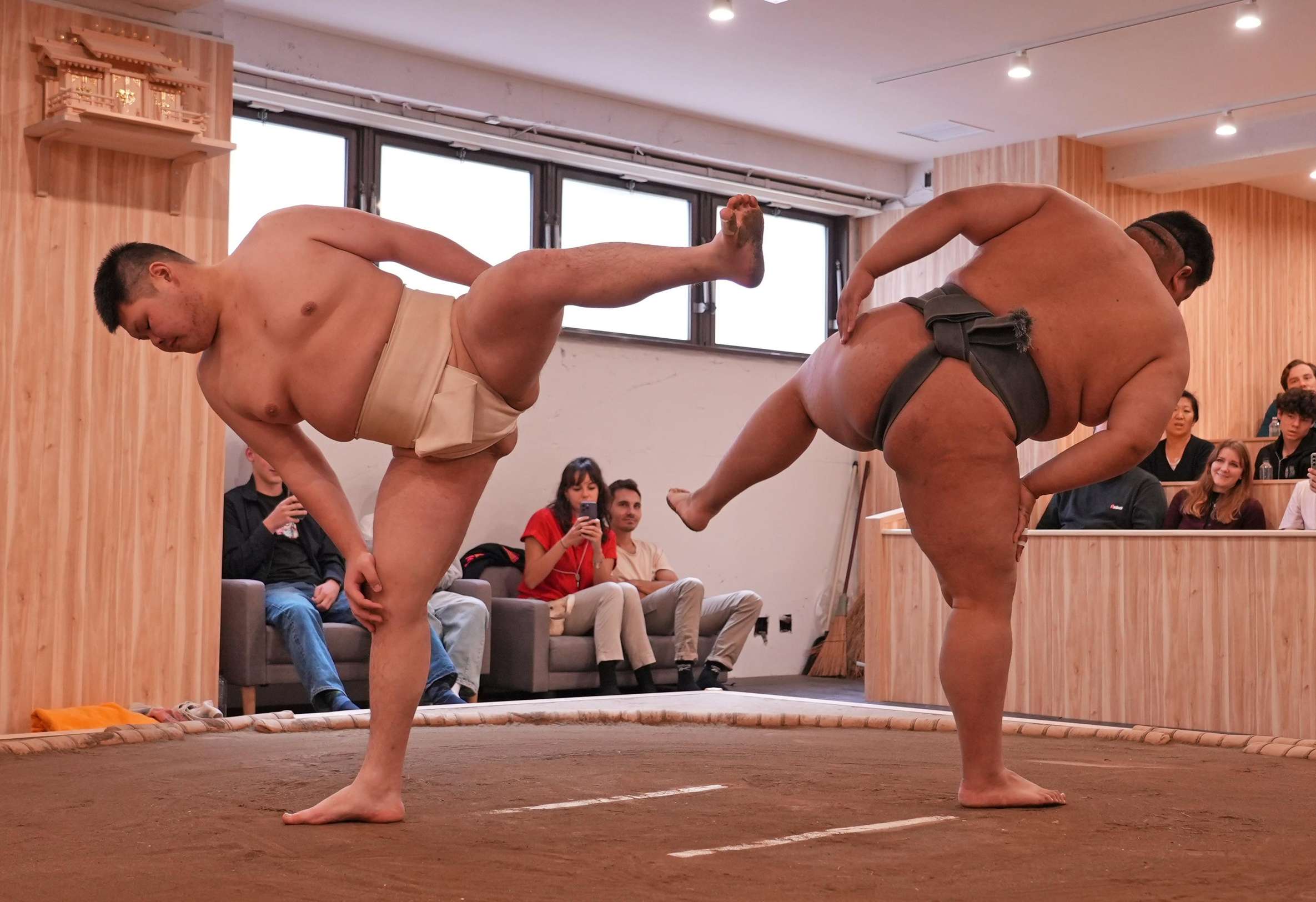
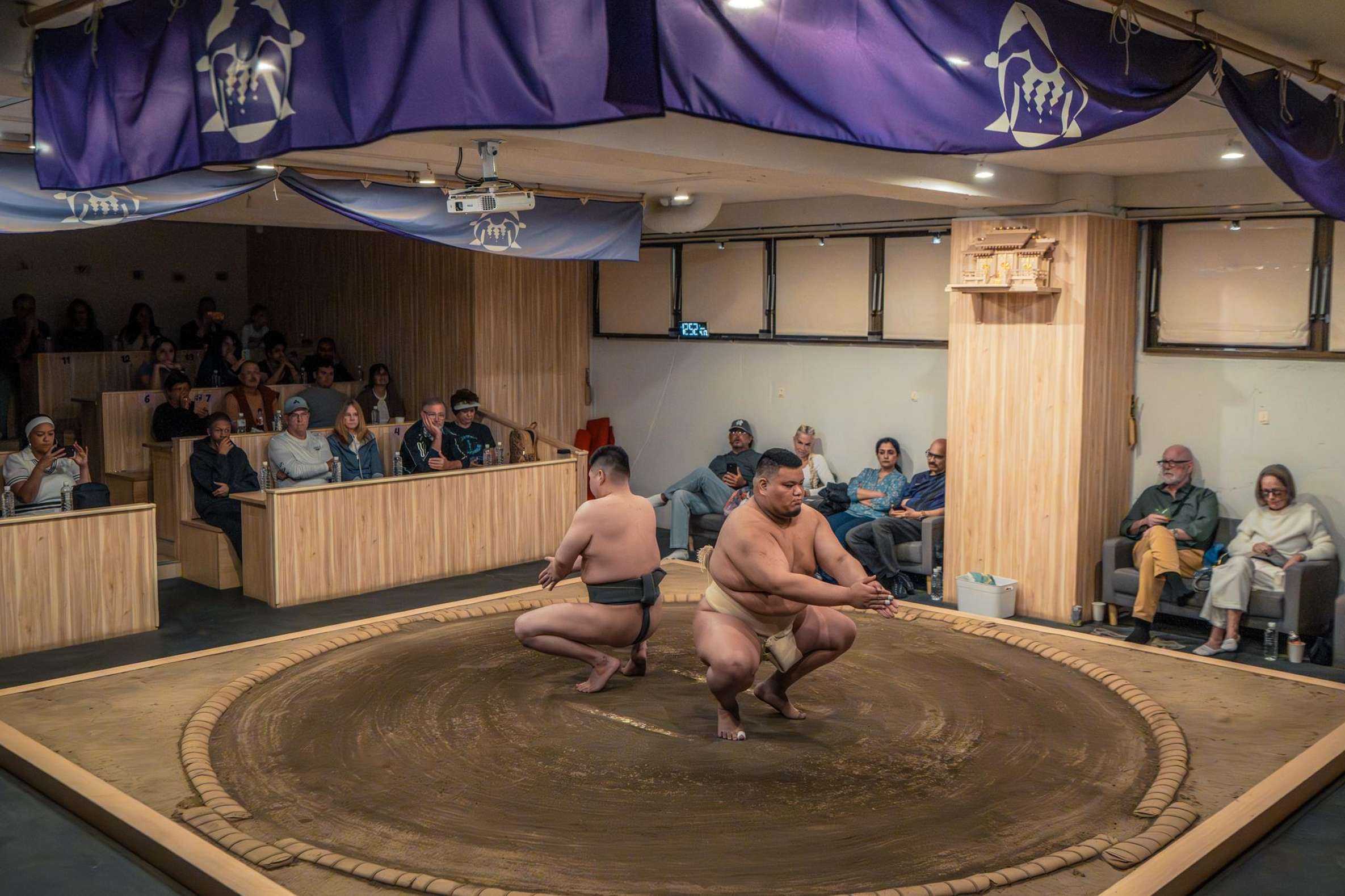
The Shinjuku show runs about an hour and a half, and it moves quickly. A welcome drink lands in your hand while an English-speaking MC explains what you are about to see: the shiko leg stomps, the salt throwing, the history behind each ritual.
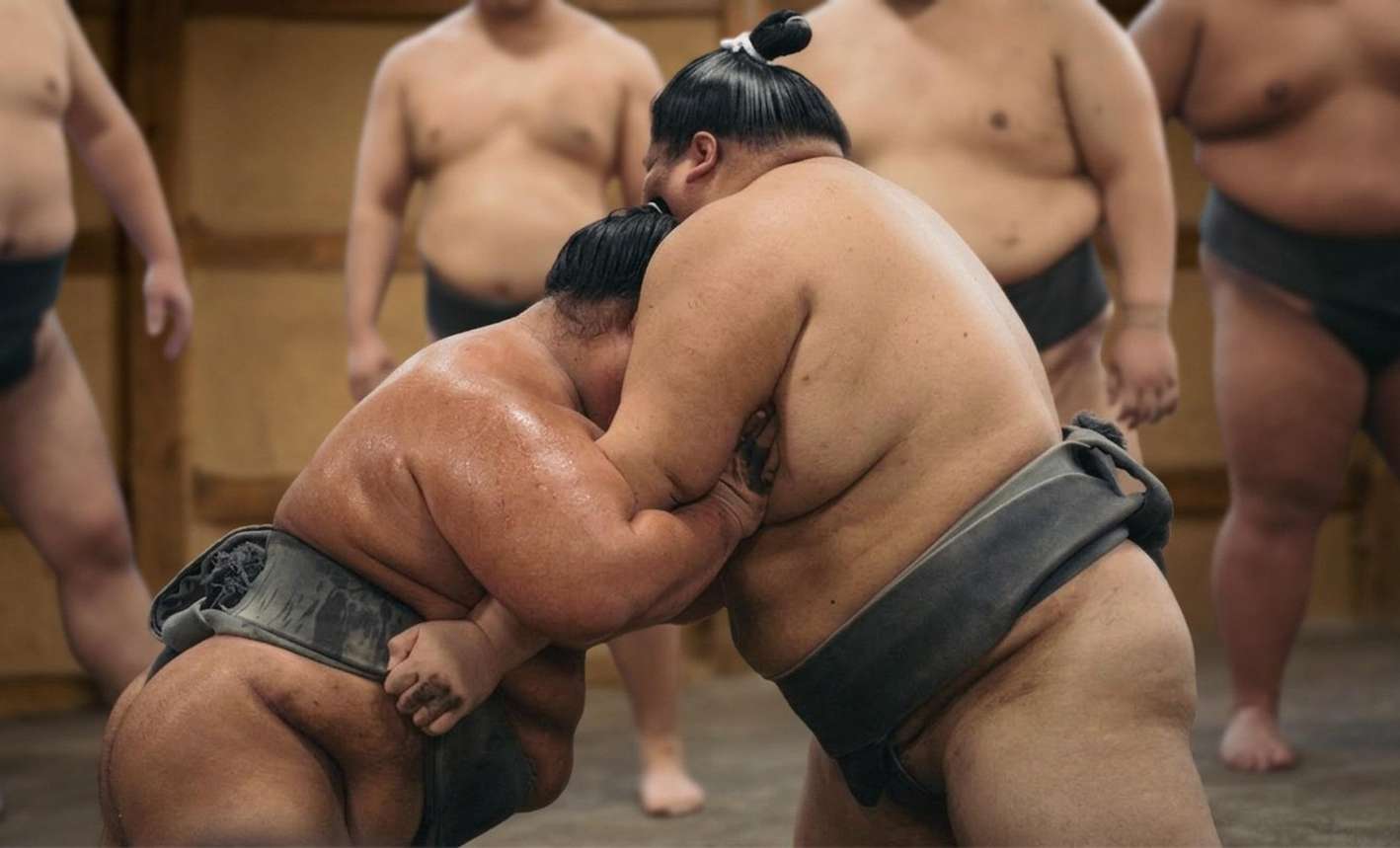
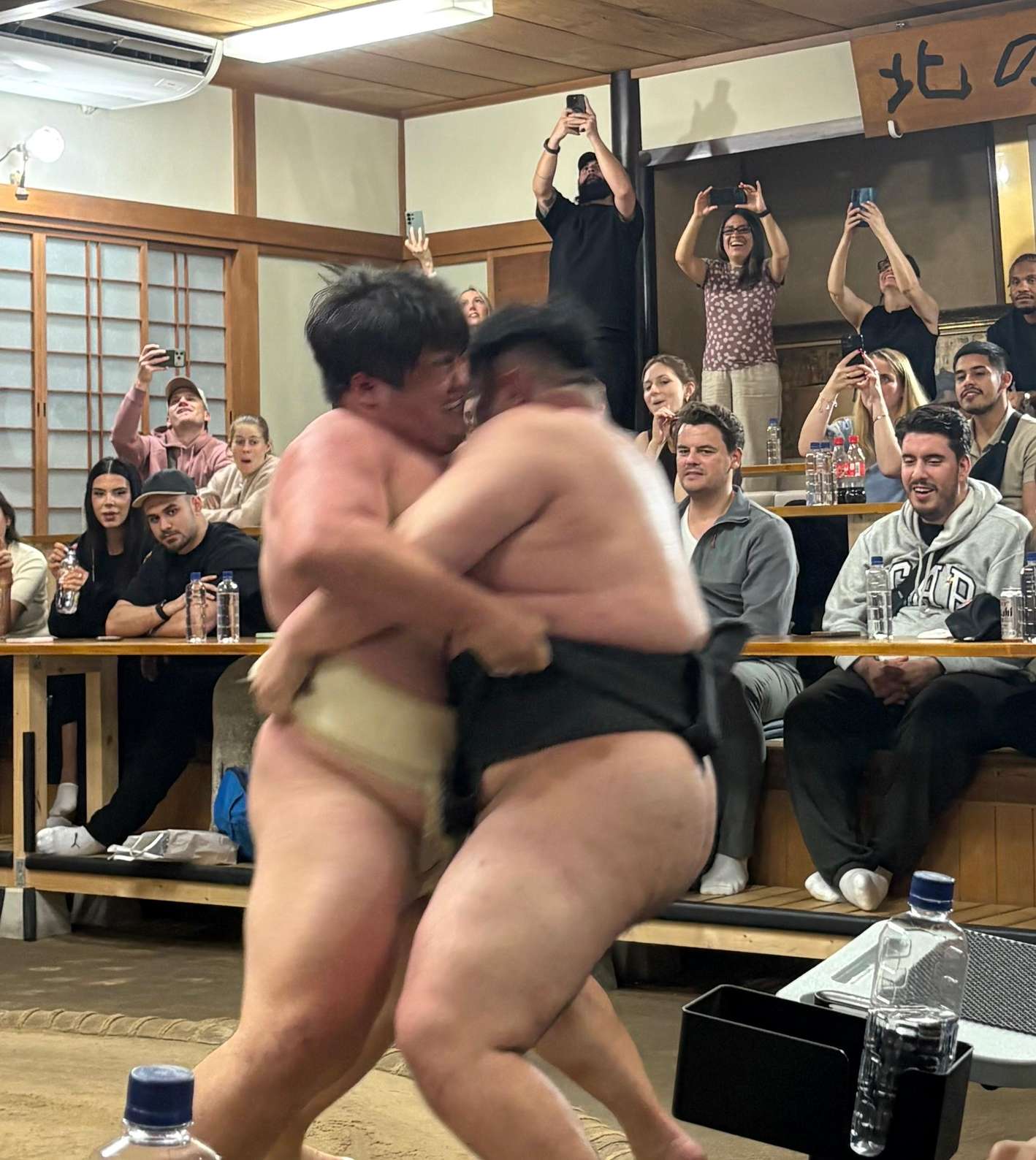
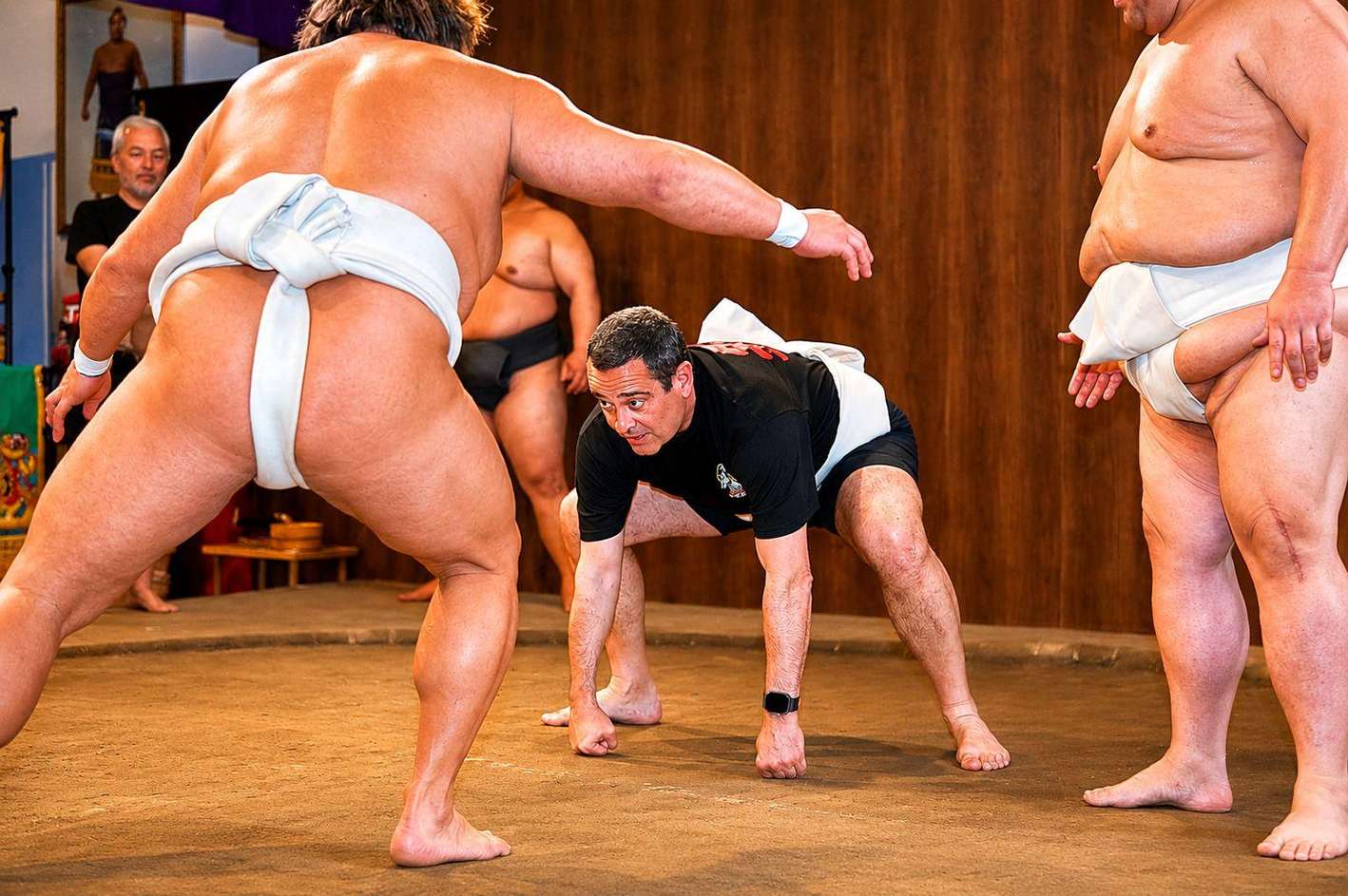
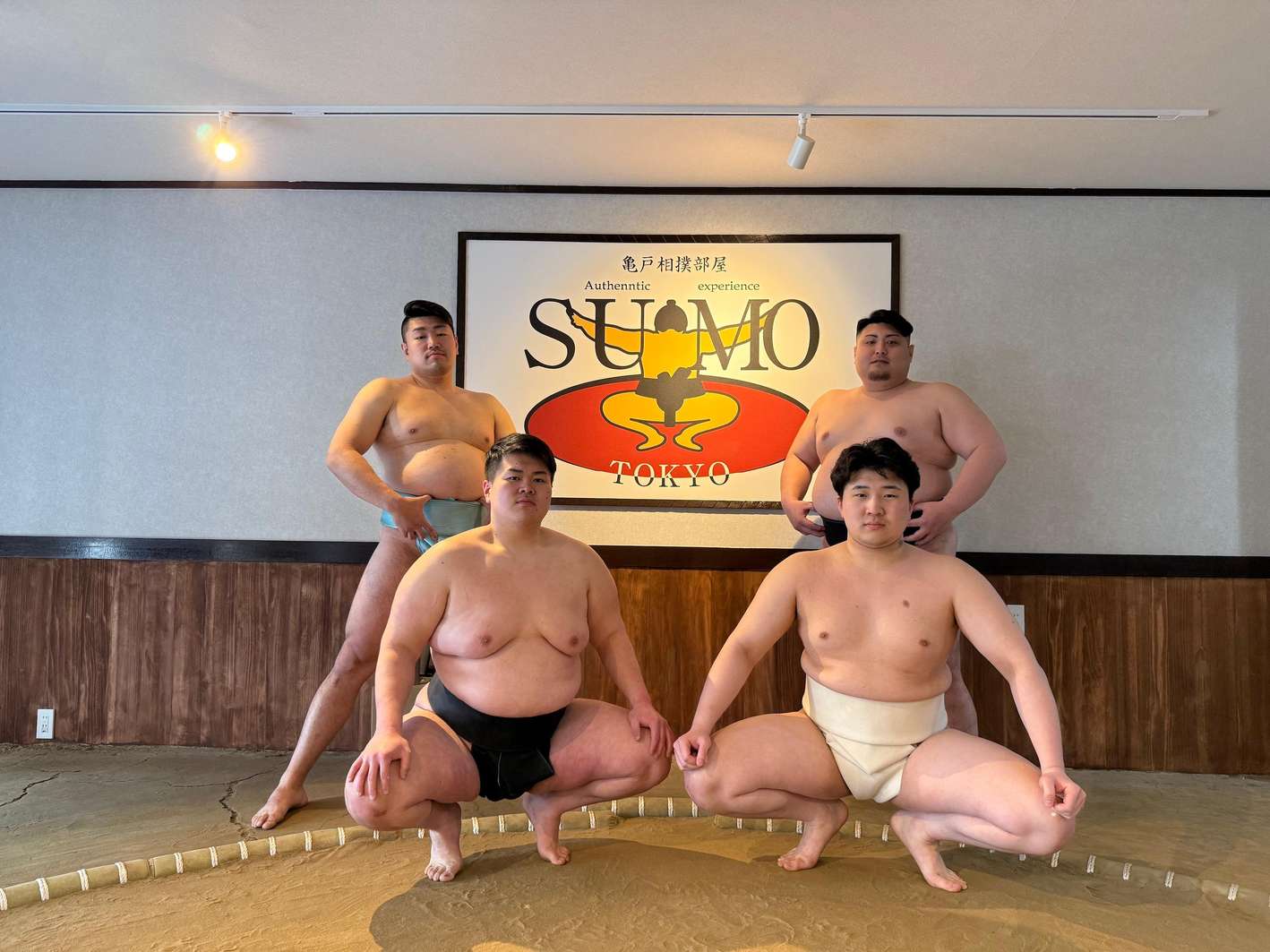
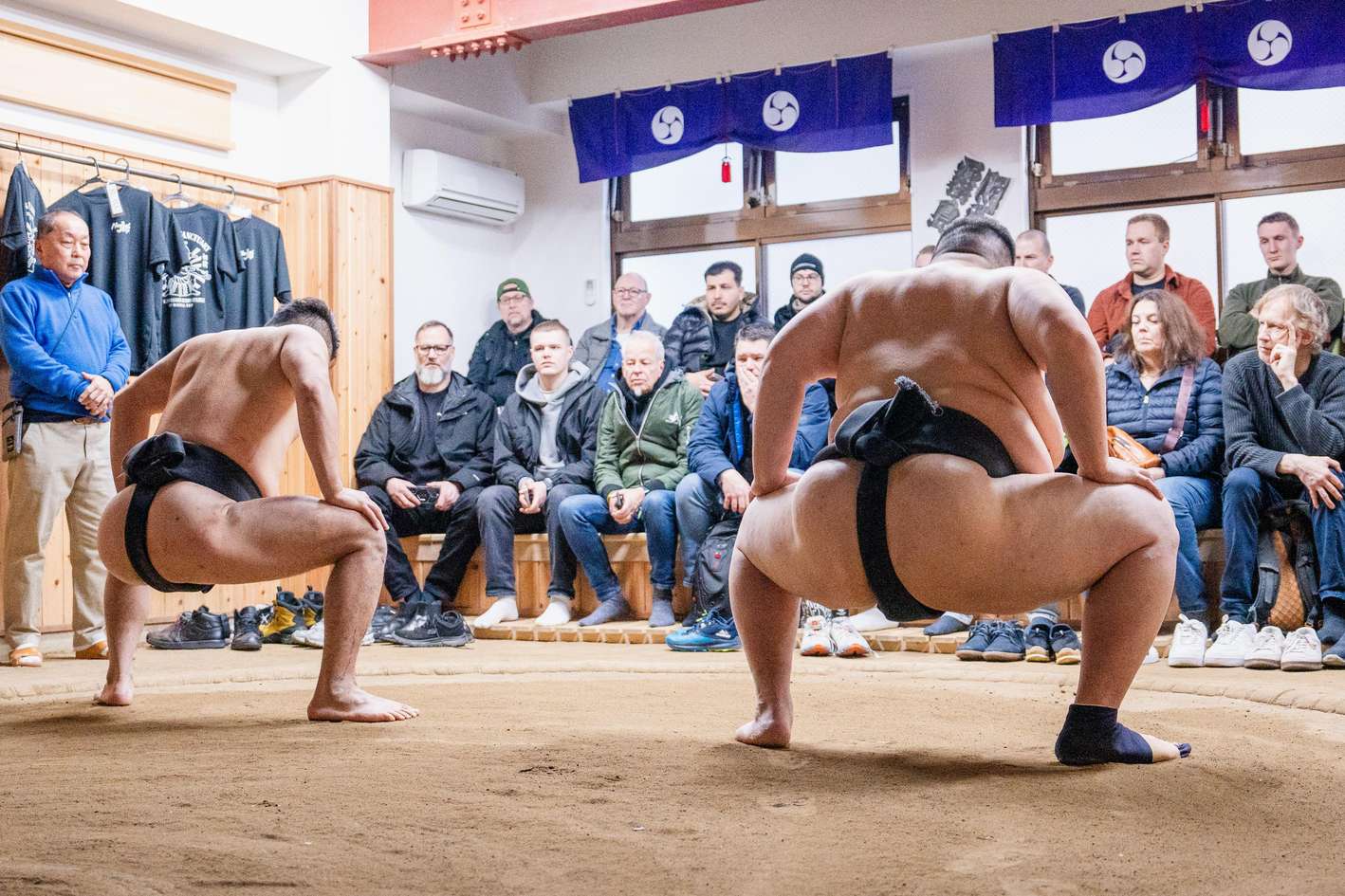
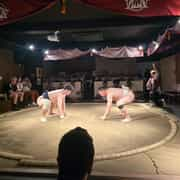
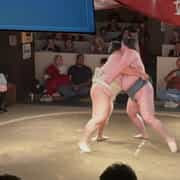
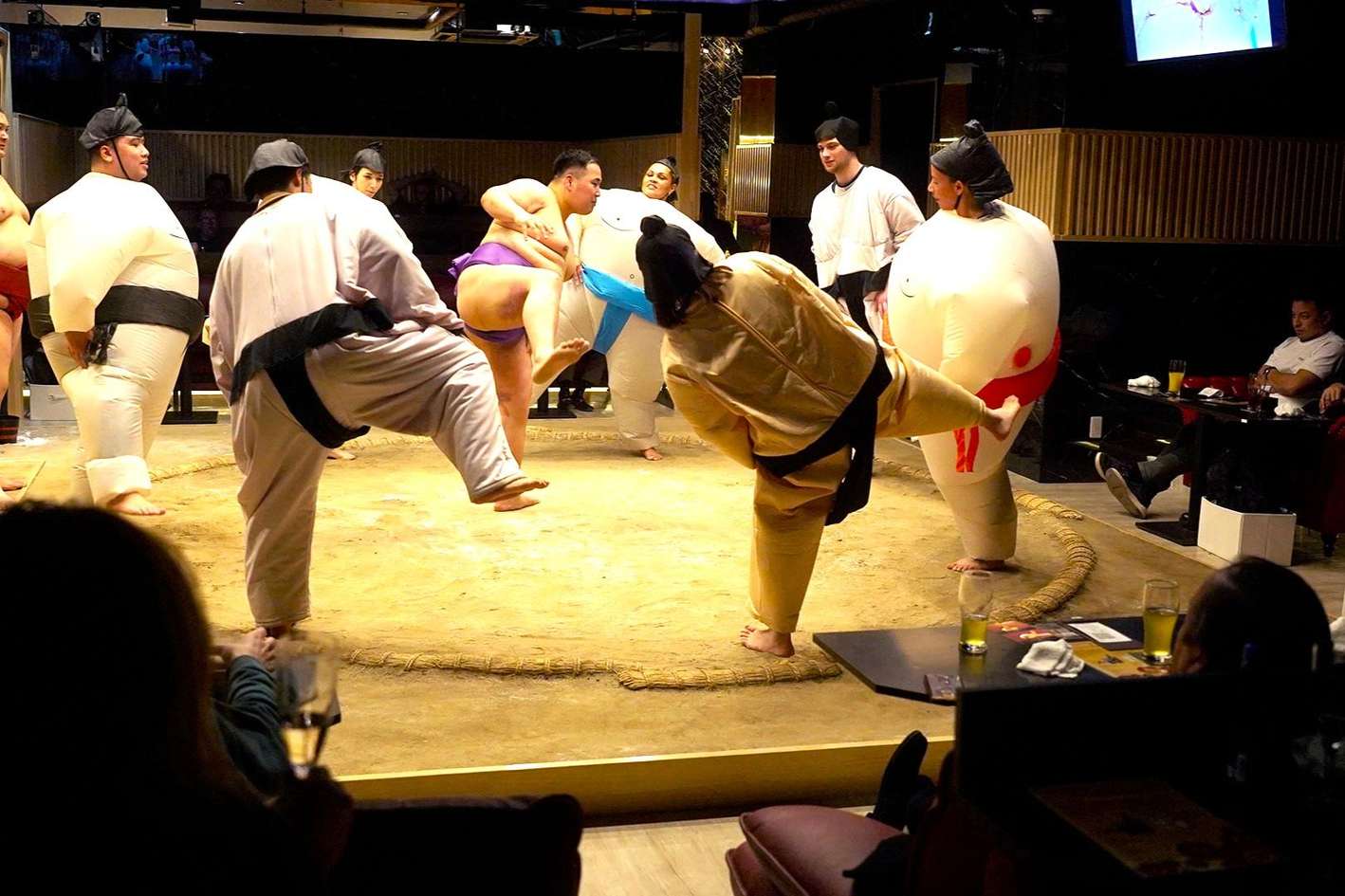
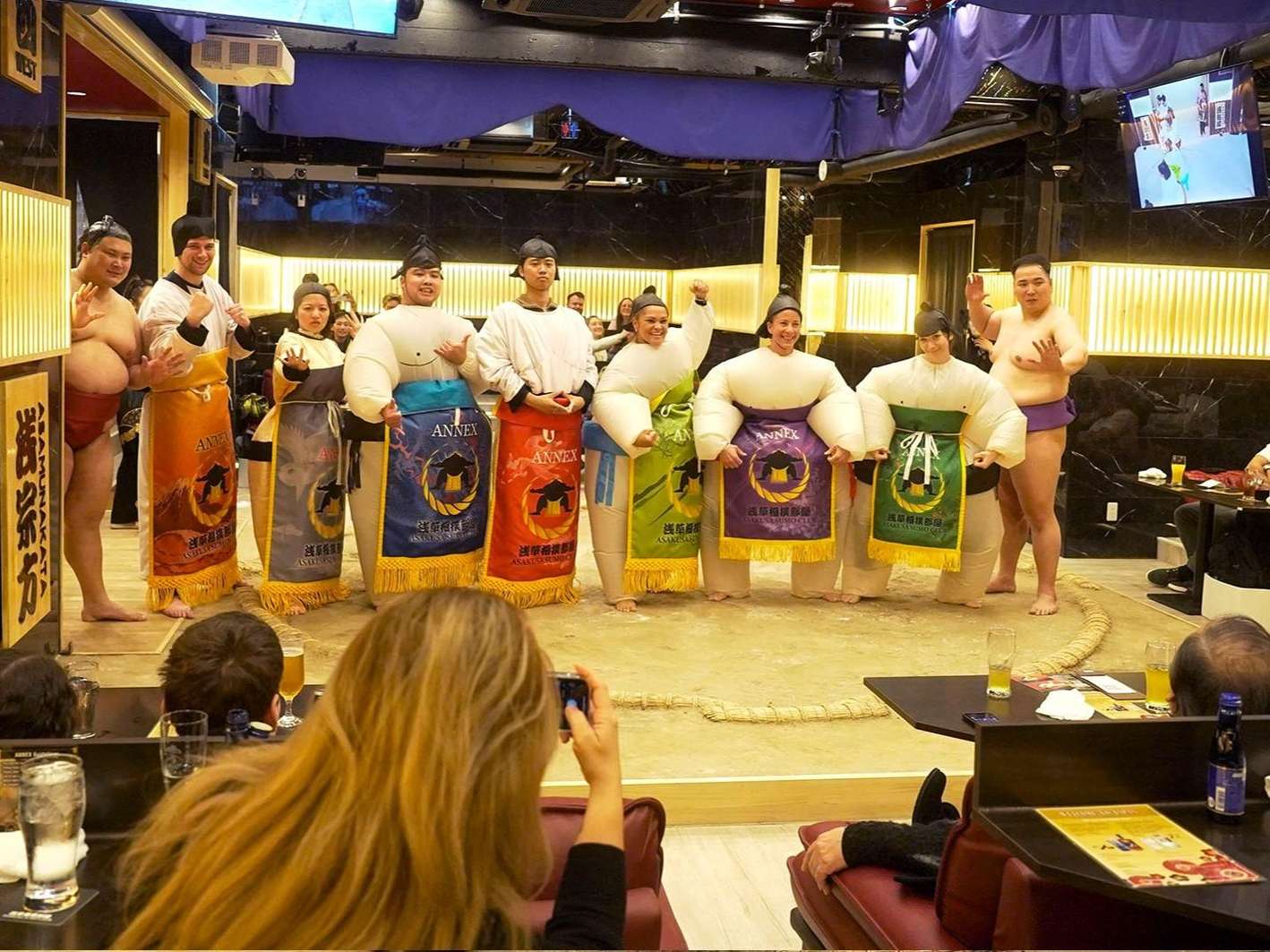
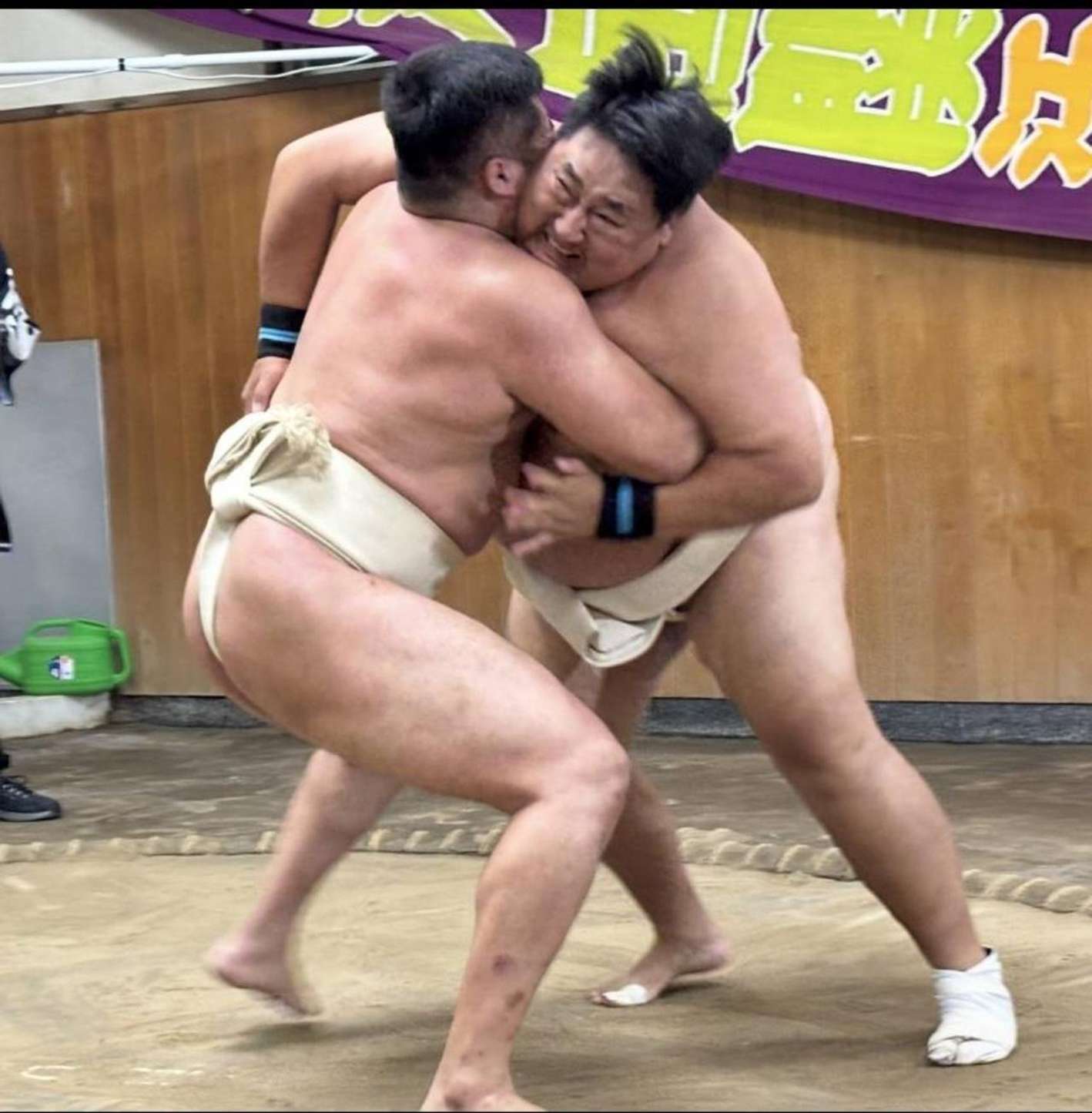
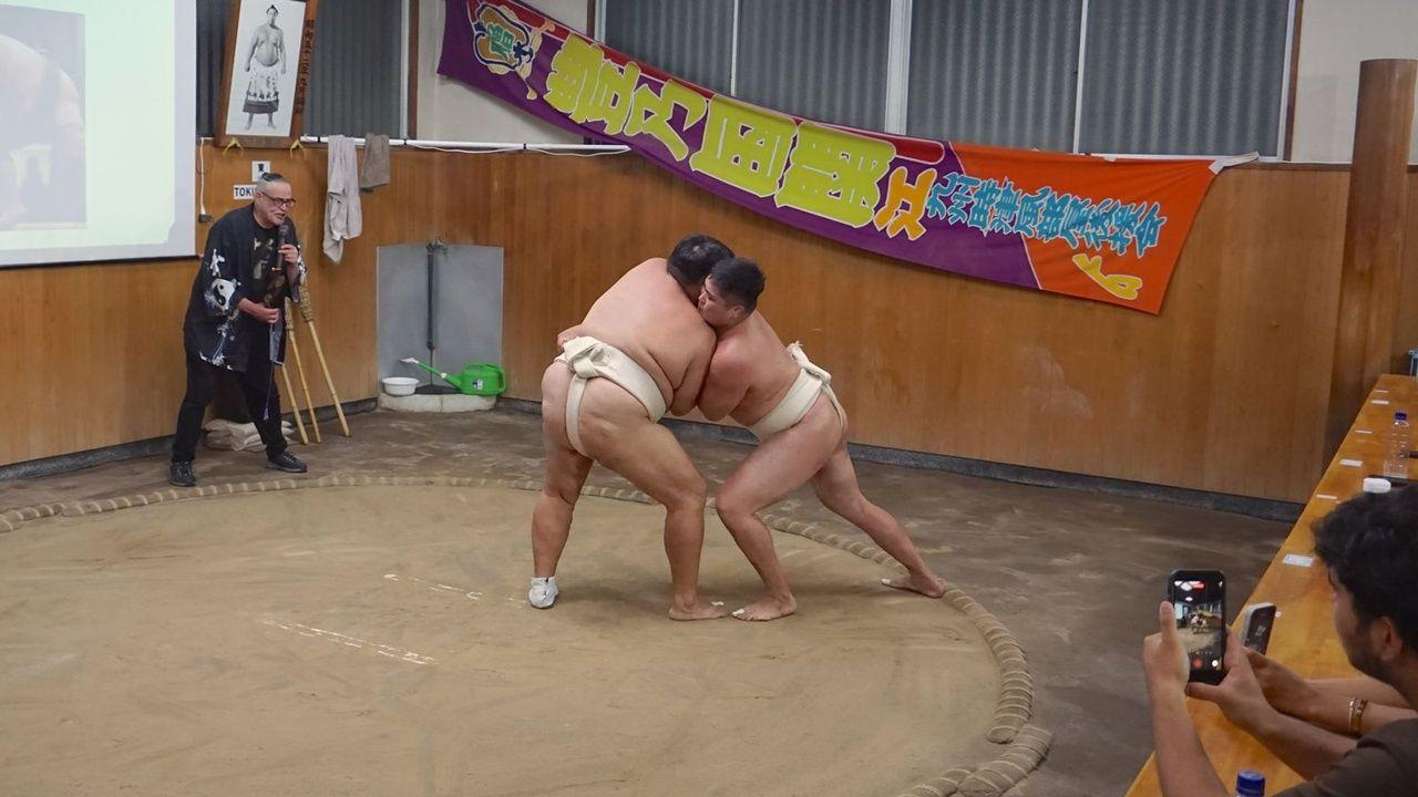
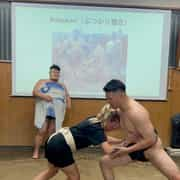
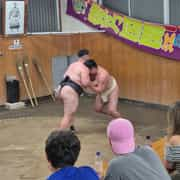
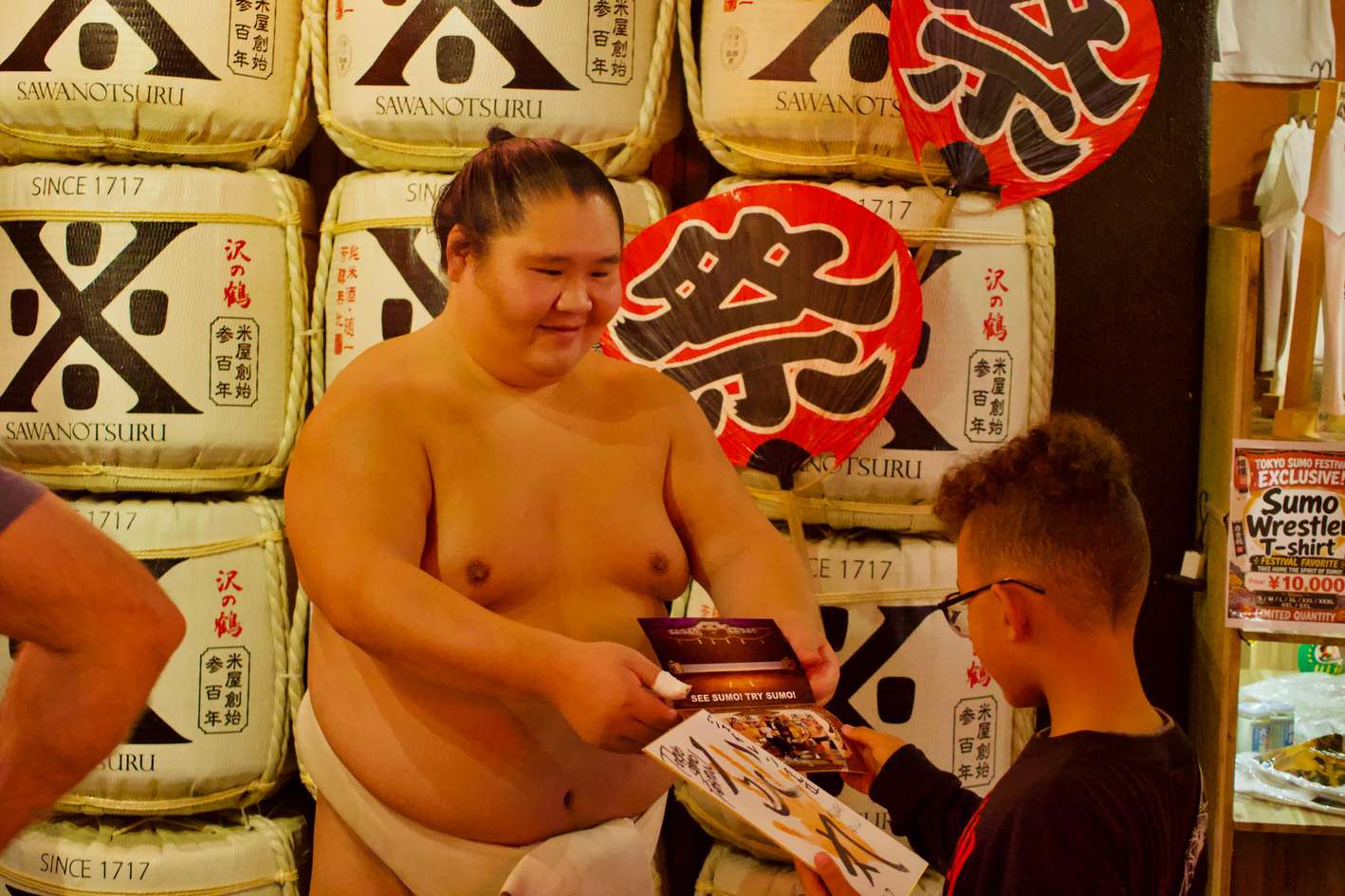
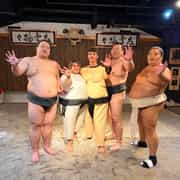
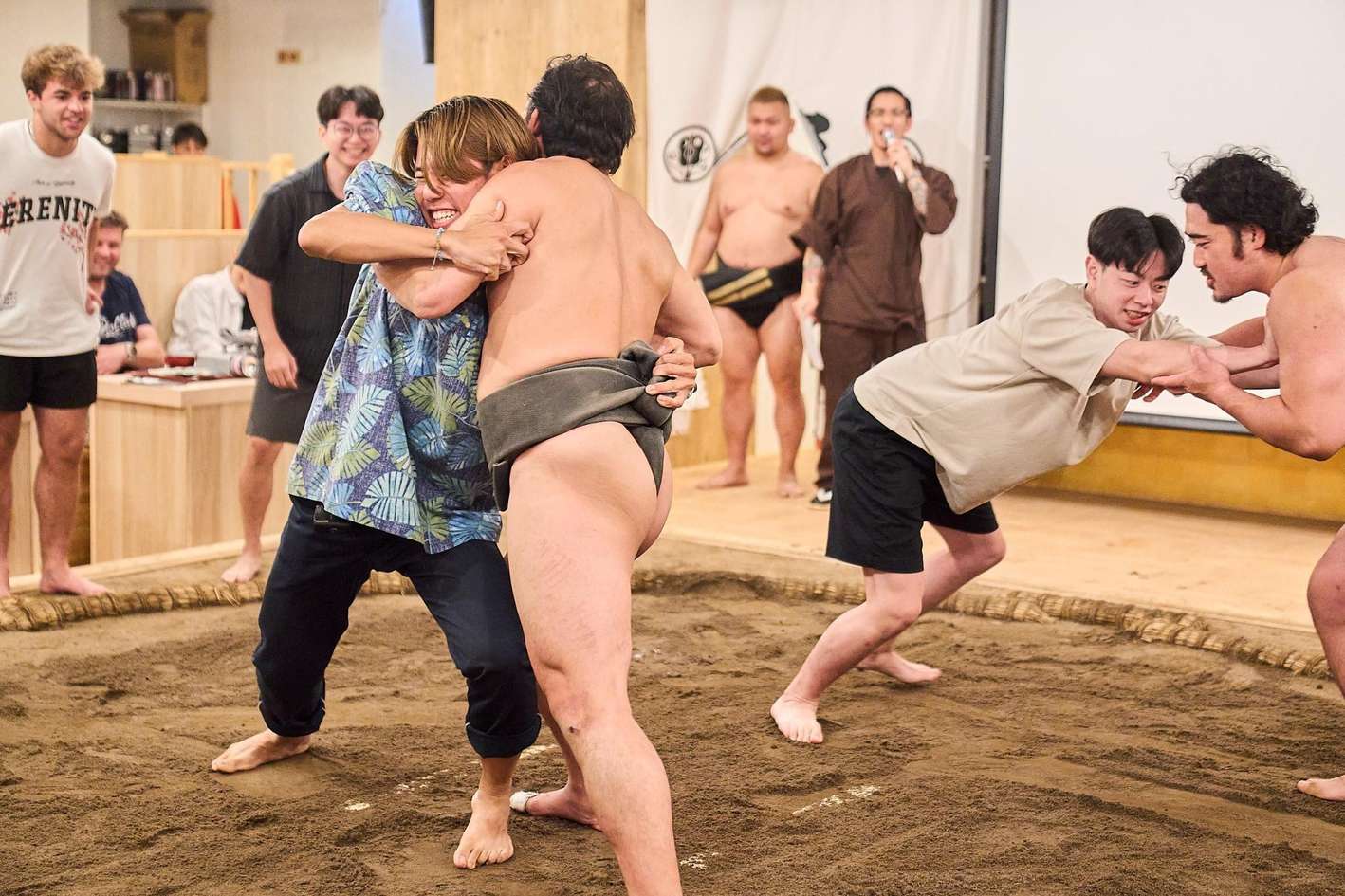
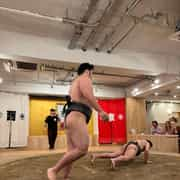
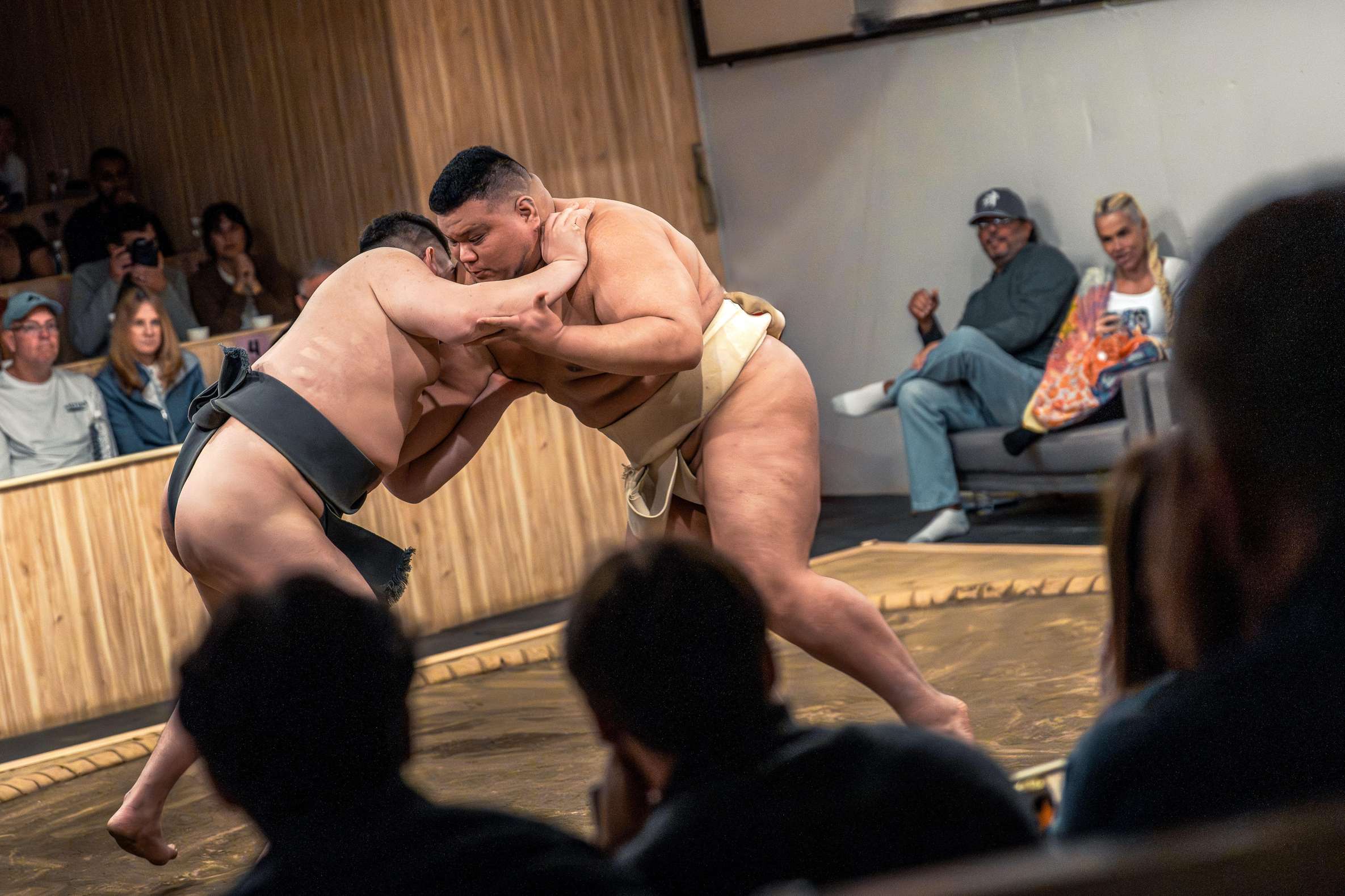
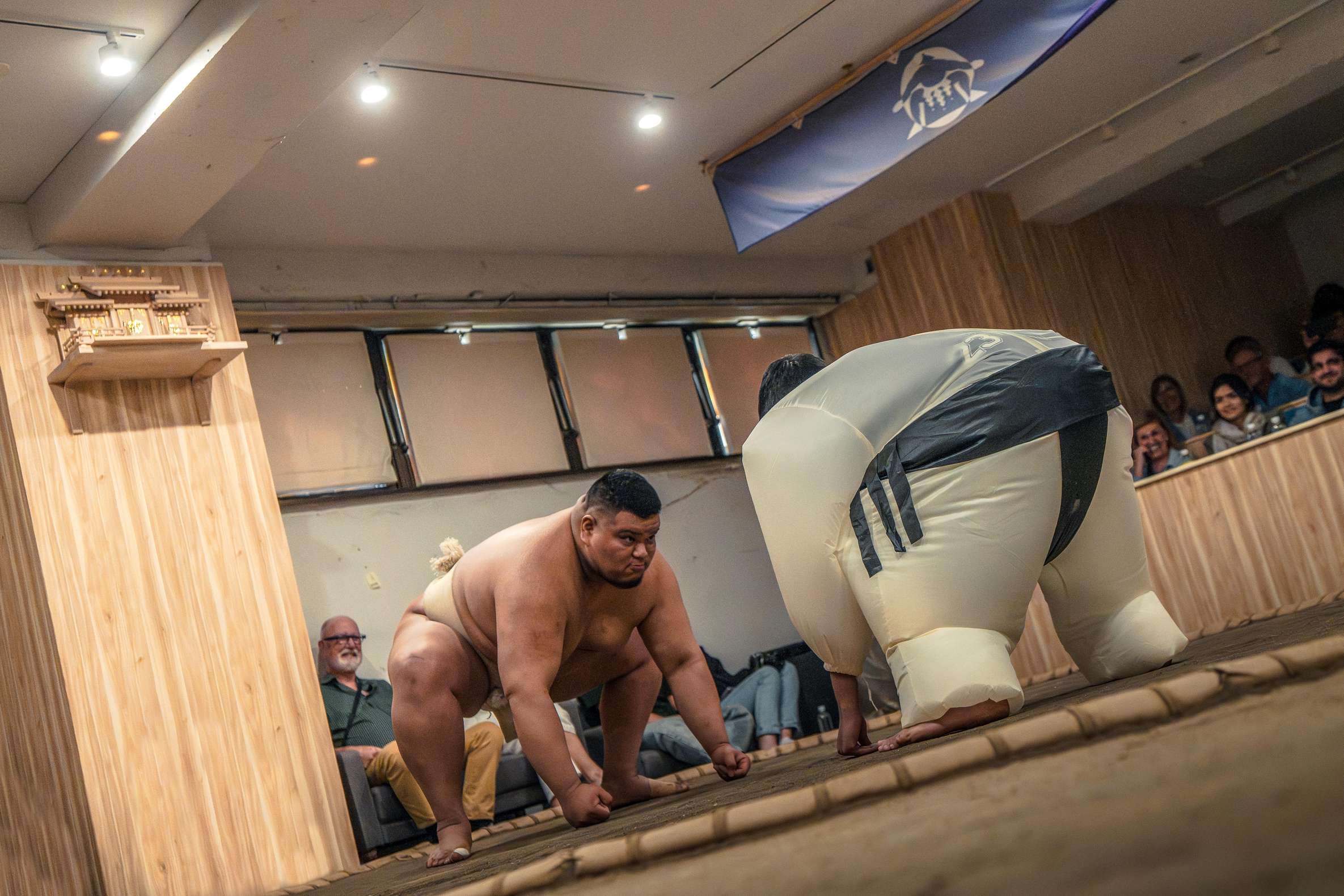
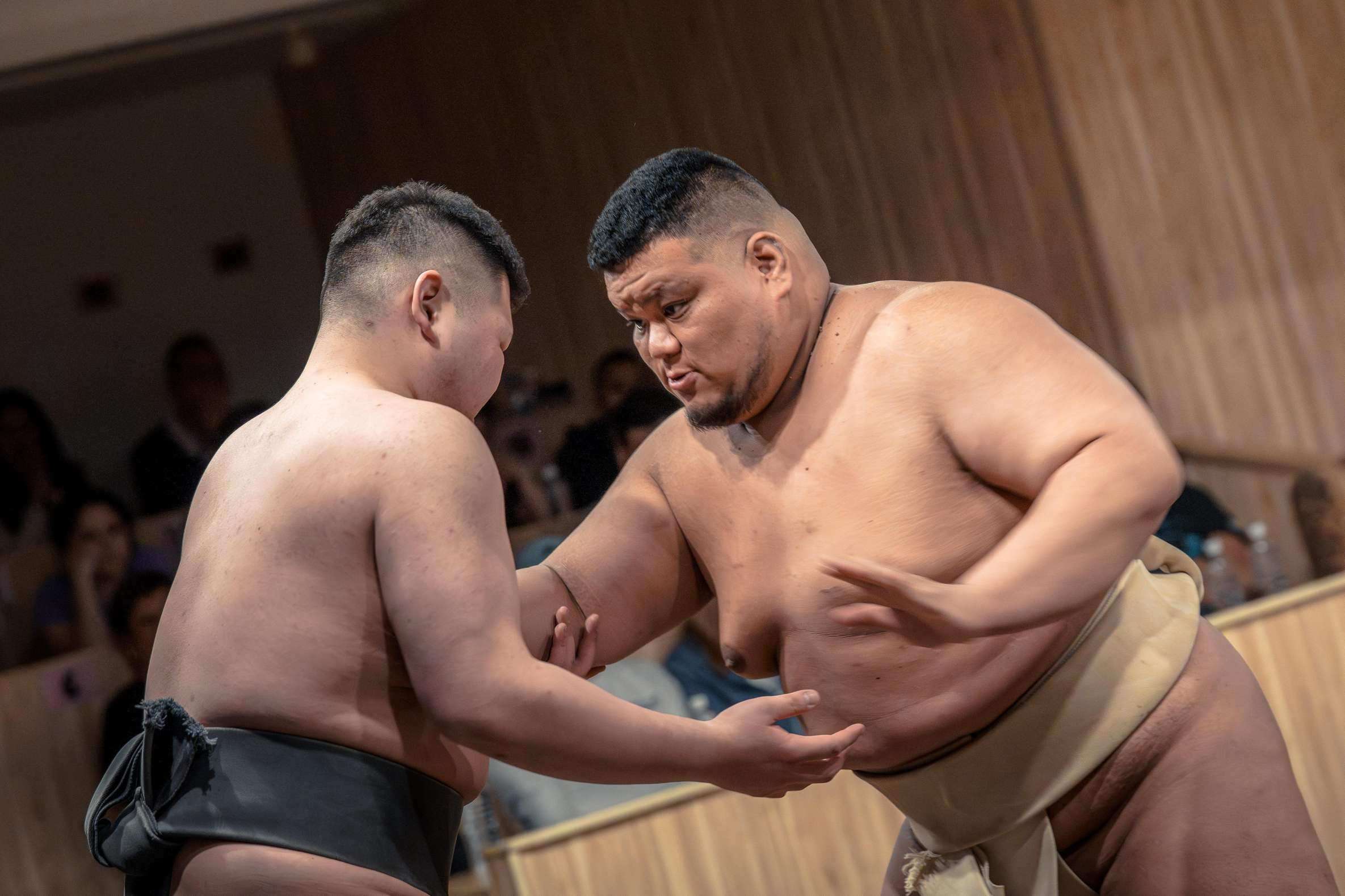
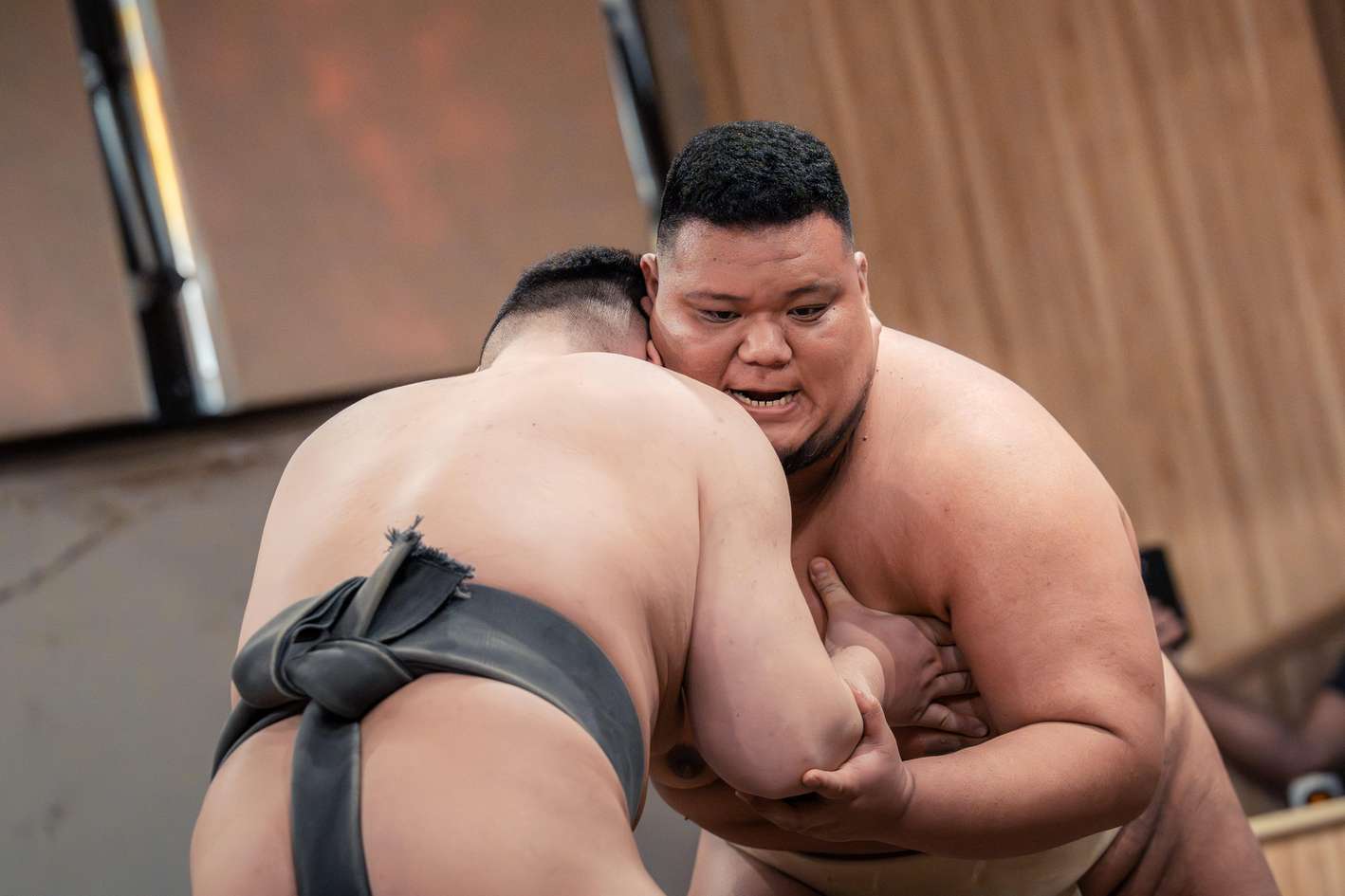
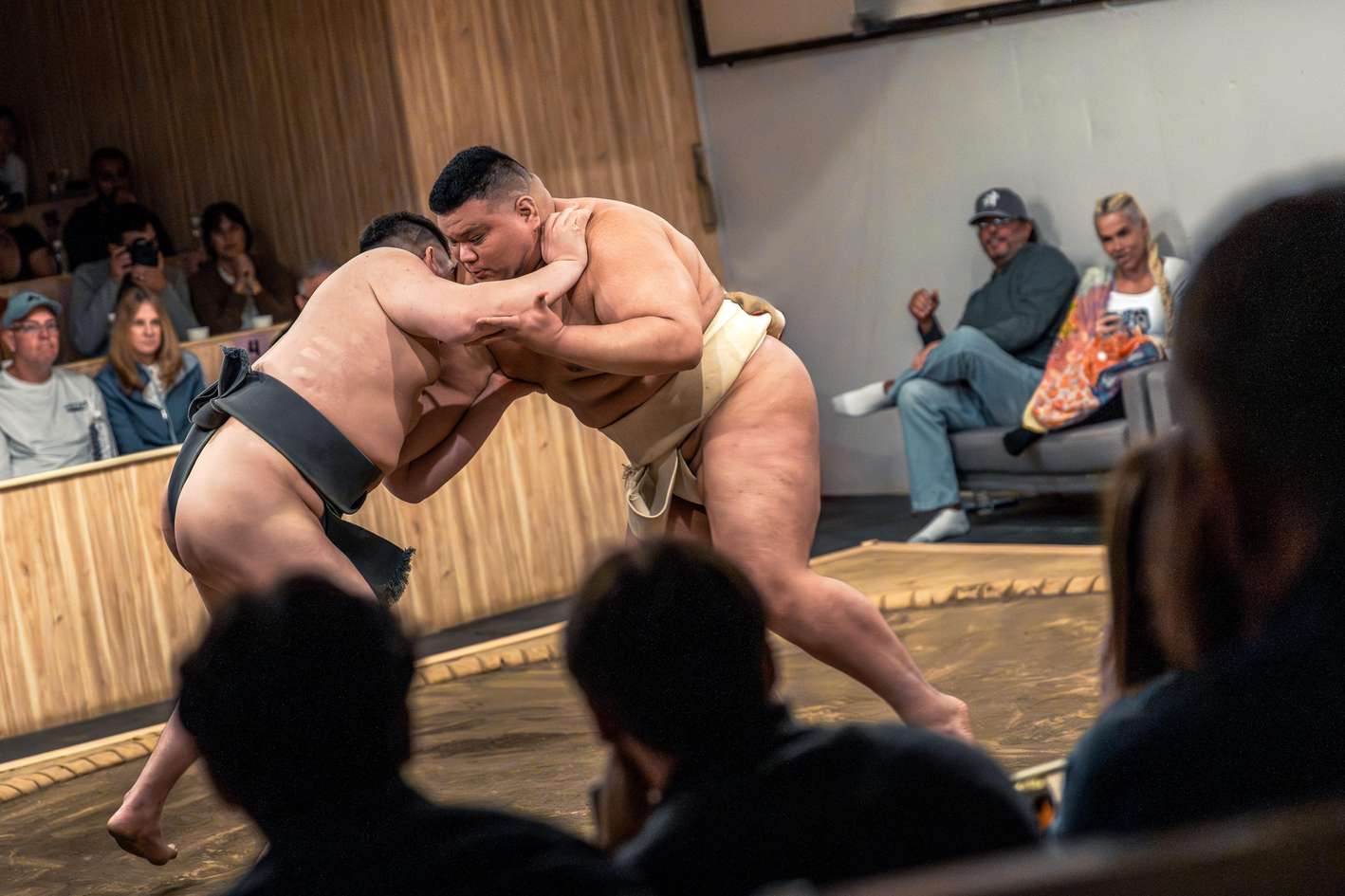
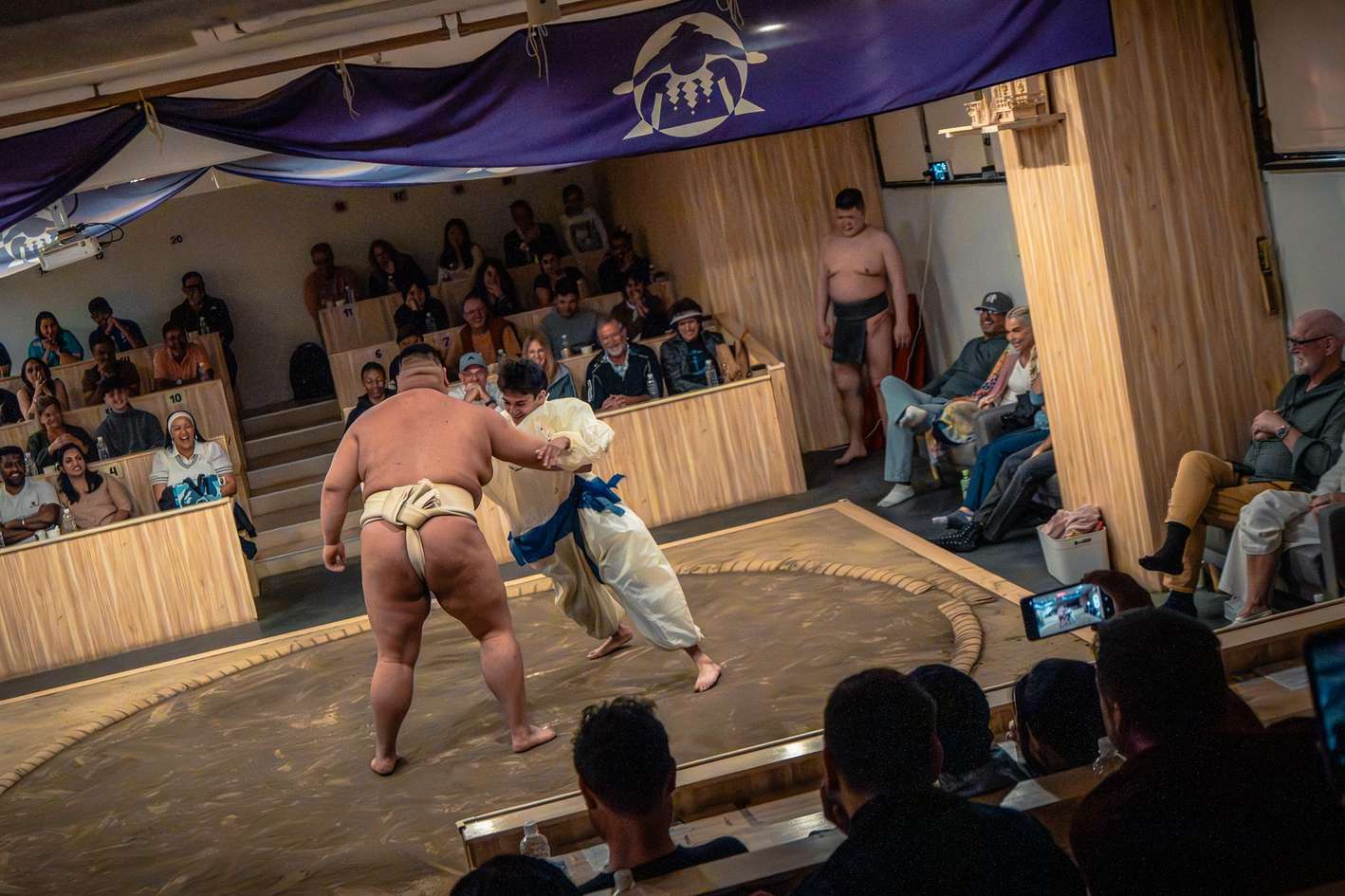
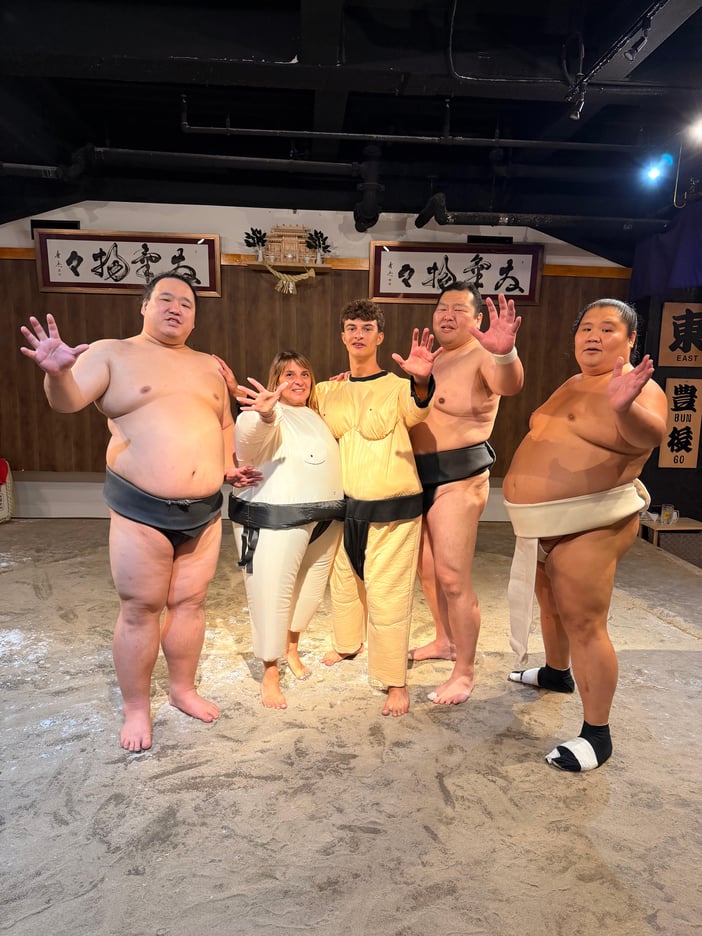
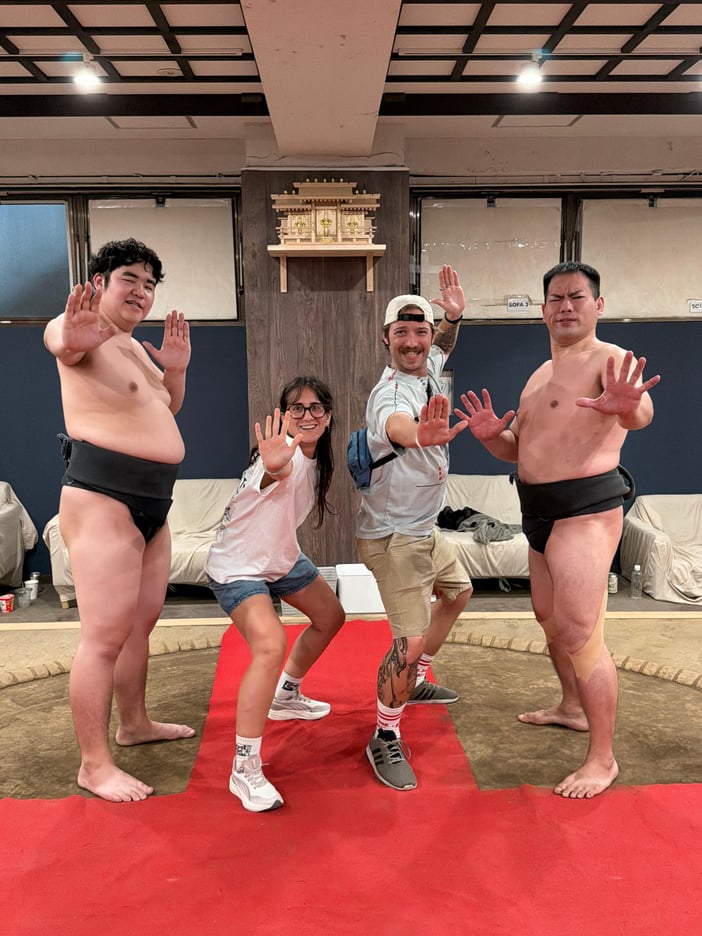
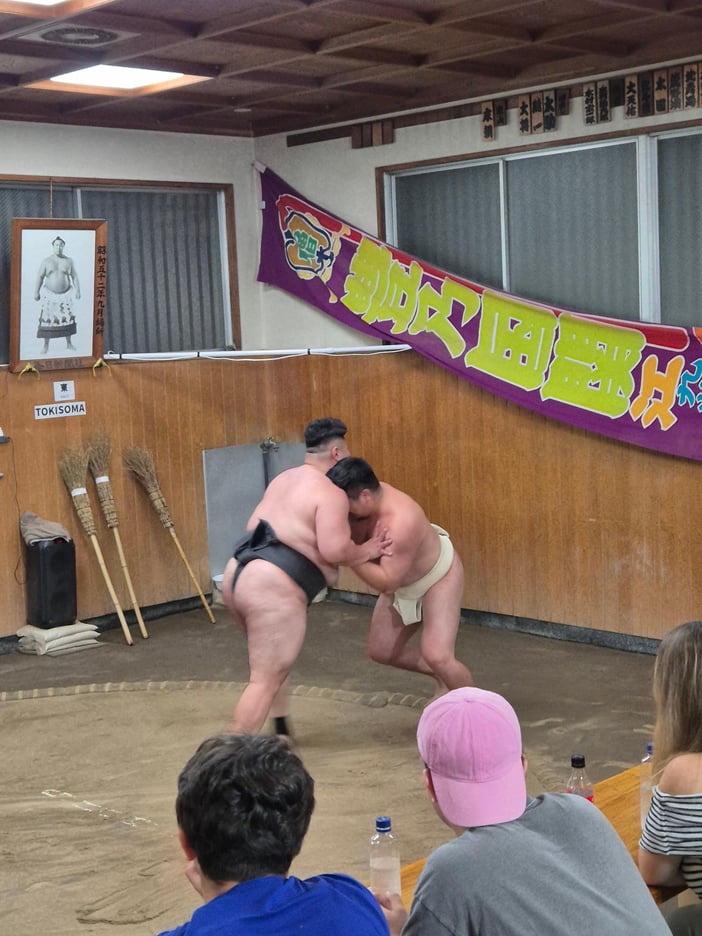
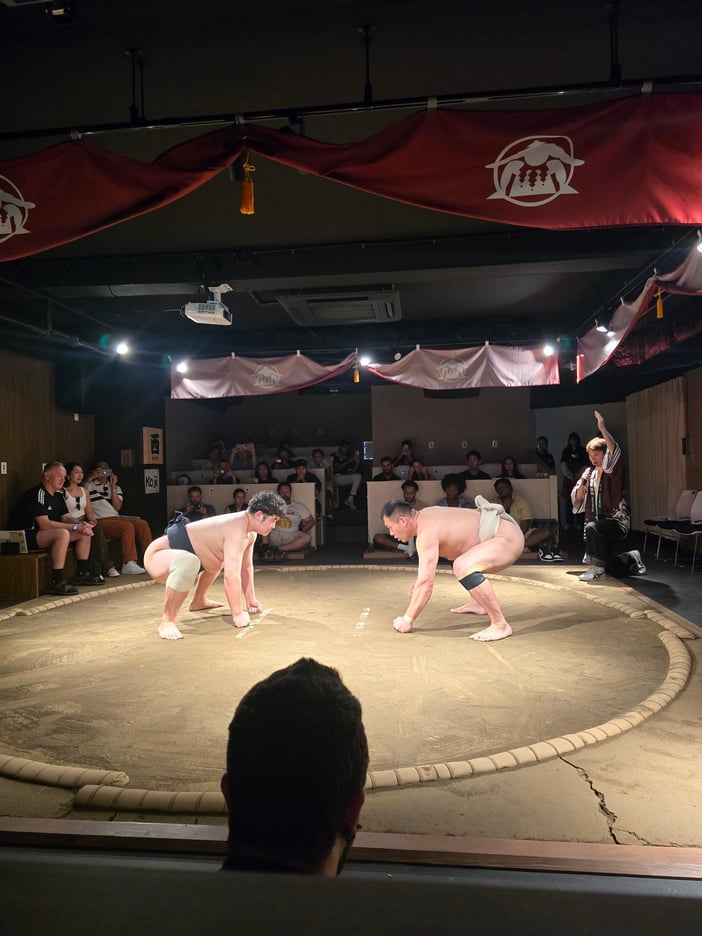
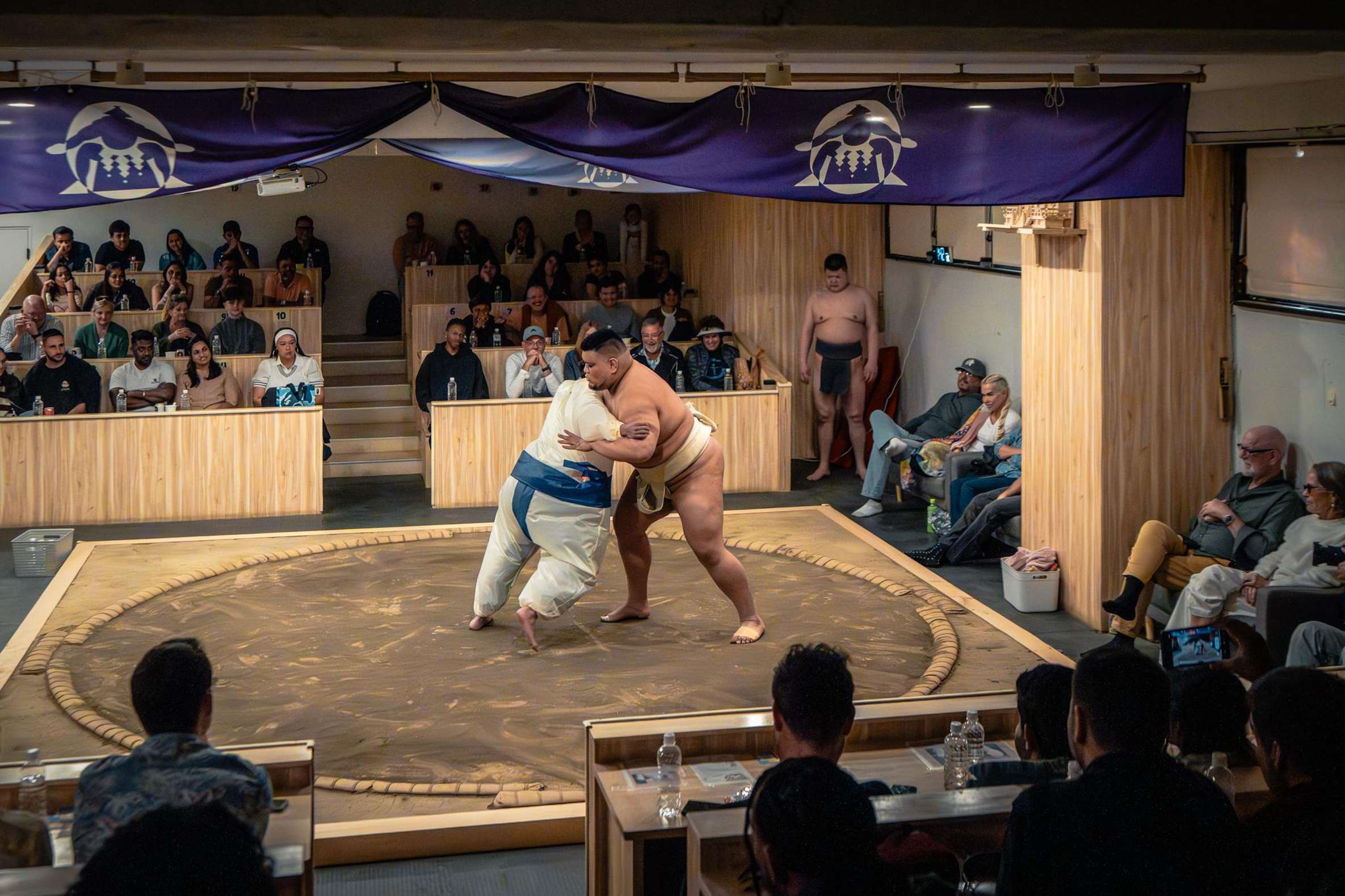
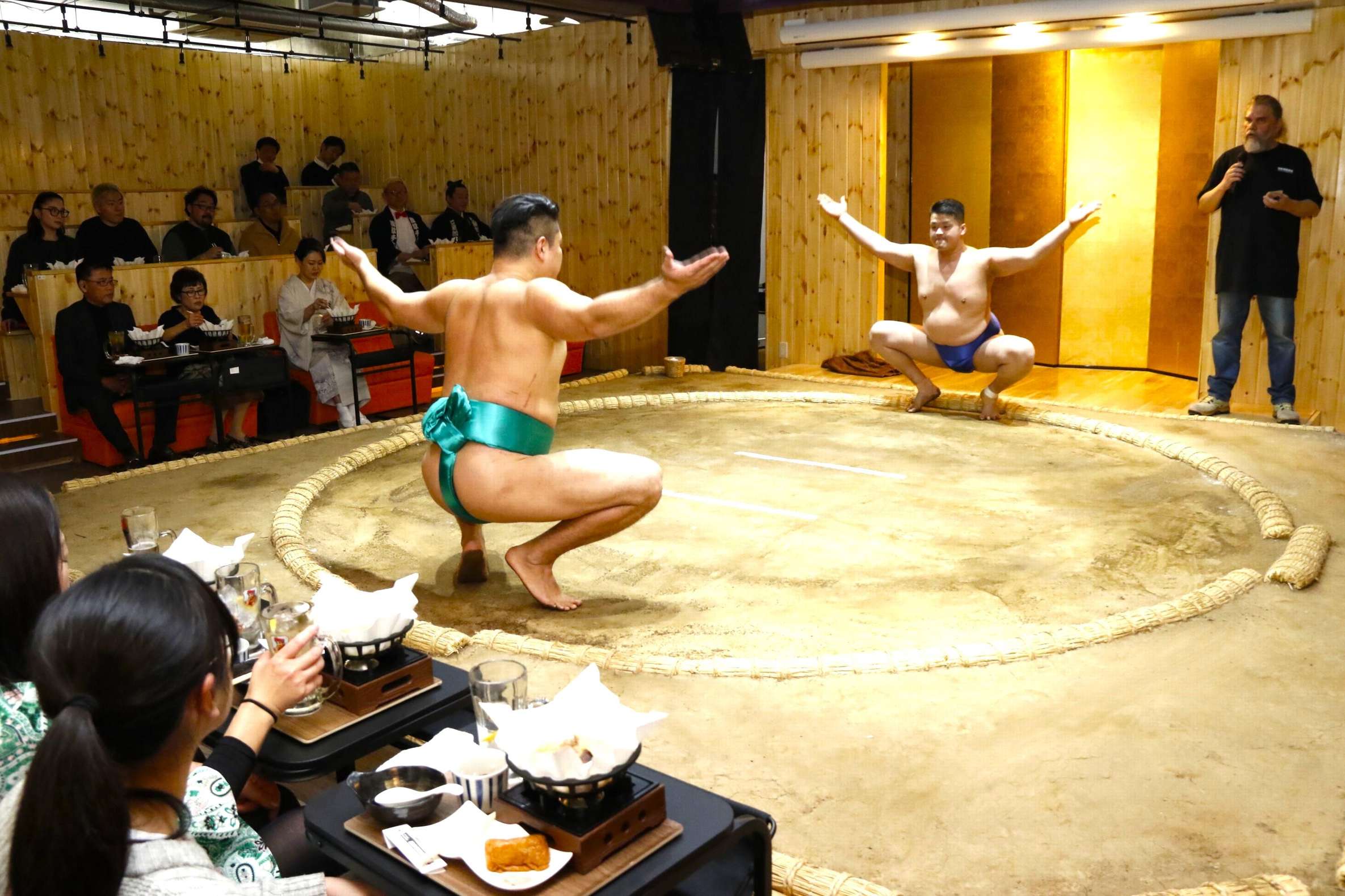
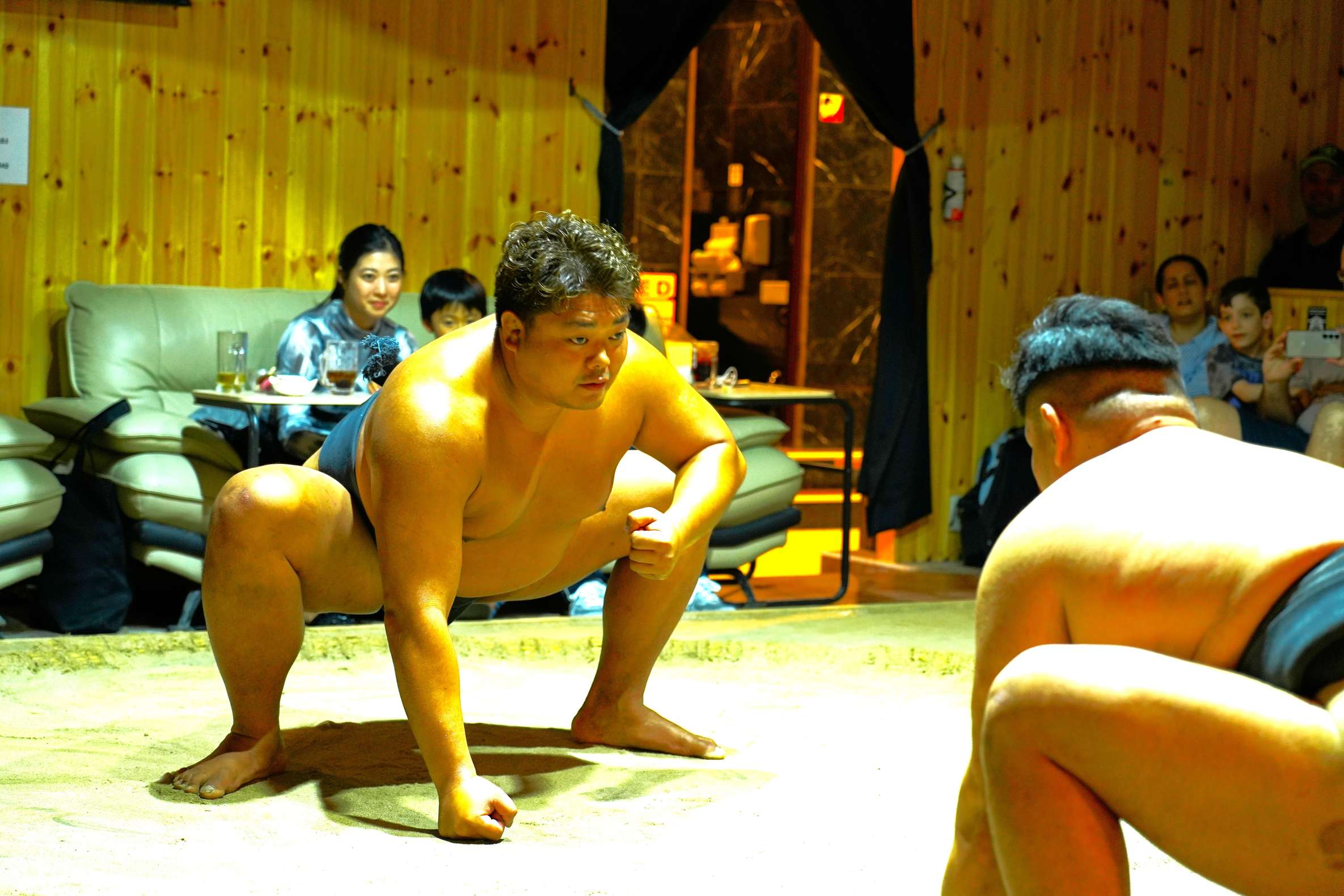
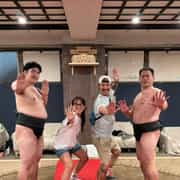
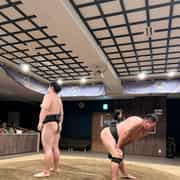
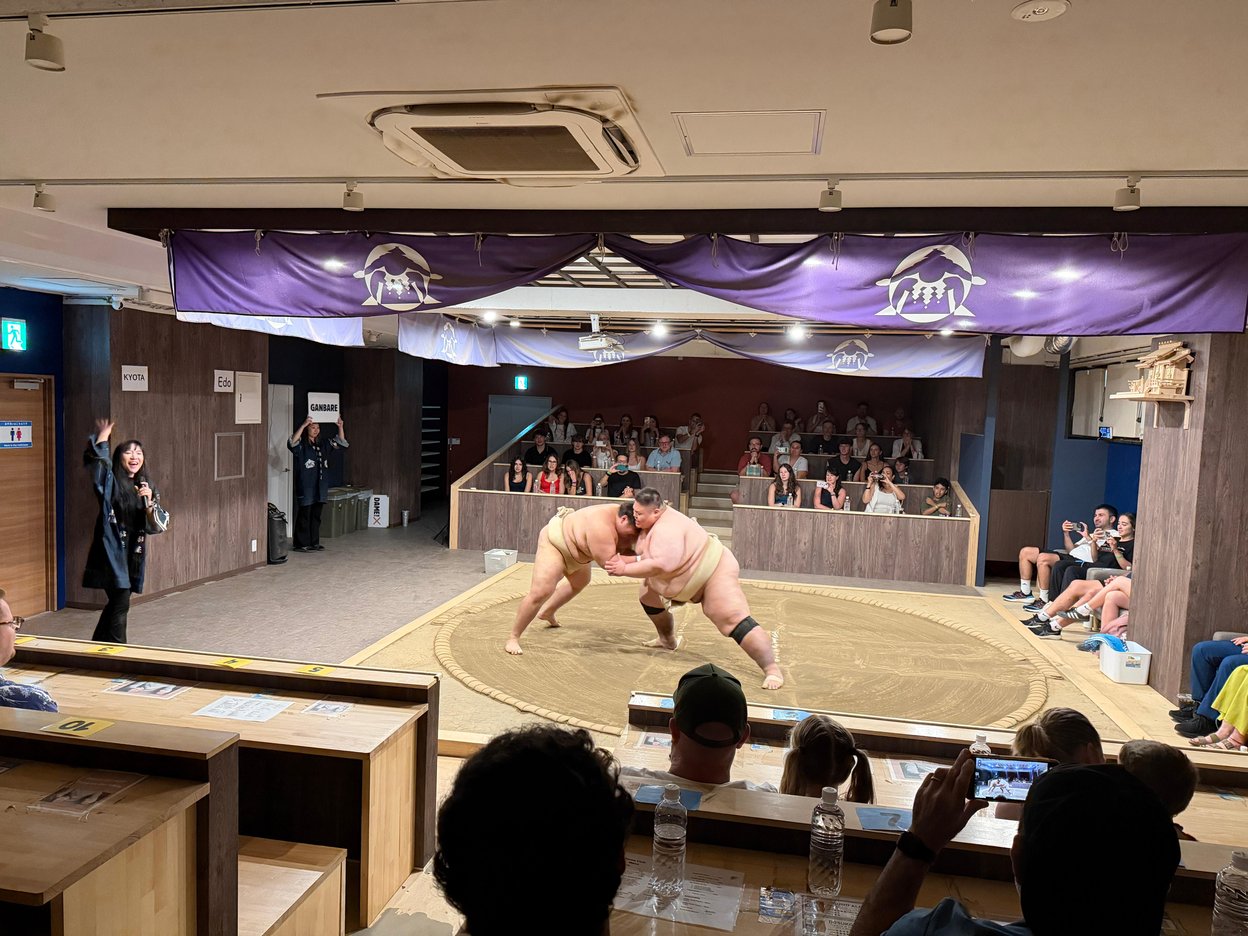
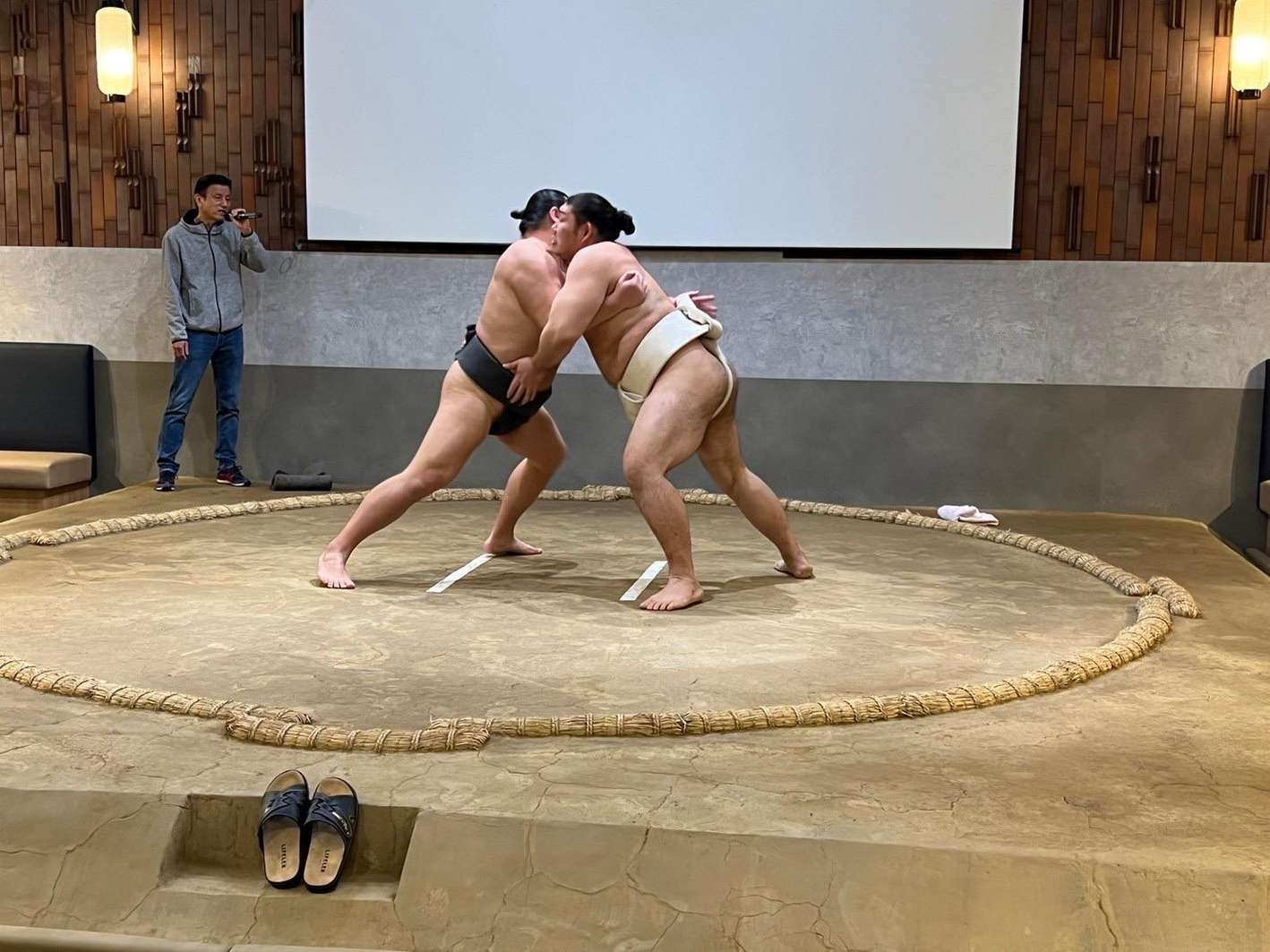
Then come the live matches, fought at close range with no stadium tiers between you and the ring. Afterwards, a handful of guests pull on sumo outfits and step onto the dohyo to test their strength against a wrestler, and everyone gets pictures with the cast.
Other Tokyo venues add chankonabe hot pot dinners or kaiseki courses in Ginza; this one keeps it tight, fun and up close.
1Welcome drink and intro· about 15 minYou settle in with bottled water as the English-speaking MC opens the show with sumo history and the rules you need.2Rituals and techniques· about 20 minWrestlers demonstrate the shiko foot stomps, salt throwing and training drills, with the MC explaining each one.3Live matches· about 25 minProfessional wrestlers fight live sparring bouts just meters away, and you watch every move from your seat.4Ring challenge· about 20 minUp to six guests, chosen by lottery, suit up in sumo wear and step onto the ring to take on a wrestler.5Photos with the wrestlers· about 10 minThe show ends with pictures alongside the wrestlers, the souvenir you leave with before heading back into Shinjuku.
Included
Professional sumo wrestling demonstrationHistory and Background information about SumoEnglish speaking MCWelcome drink (Bottled water)Opportunity to challenge a sumo wrestler (Limited participants; lottery if too many apply)Pictures with the wrestlers
How to book your Tokyo sumo show
01
Pick your date and showtime
Choose a date first, then a time slot. Some venues run several shows a day, like the Tokyo Tower show with four sittings, and others offer one show. Check that your chosen slot matches the meal you want, since some times include food and others do not.
Pro tipWeekday afternoons are the quietest shows, weekend evenings fill up first
RecommendedSome meal options, like vegetarian or vegan menus, must be requested days in advance, so sort your date early
02
Choose the right option
Each show lists several ticket types, usually differing in seating and food. Some venues separate show-only tickets from dining options, and seat tiers change how close you sit to the ring. Read what each option includes before you pay.
Common mistakeAssuming every ticket includes a meal, some showtimes are show only
Pro tipIn small venues nearly every seat has a good view, so a standard ticket often beats a premium one for value
03
Book and check the cancellation terms
Pay through the booking page and wait for the confirmation and voucher to arrive by email. Many Tokyo sumo shows let you cancel up to 24 hours in advance for a full refund, but some Ginza show tickets are non-refundable, so read that line before you commit.
ImportantLate arrivals and no-shows are not eligible for refunds, and strict-schedule shows may refuse late entry at the front desk
Pro tipBuild in buffer time for finding the entrance, some venues sit behind side doors that are easy to miss
04
Read the voucher and meeting point
The voucher shows the venue address and the arrival instructions, and some venues name a specific entrance, like the Shinjuku show, which admits only through the front door next to Daiso. Arrive at the front desk 15 minutes early, which the Tokyo Tower show asks for explicitly.
ImportantOne Shinjuku venue is cashless, with Visa, Mastercard, American Express, JCB, Diners Club and Discover accepted, so carry the right card
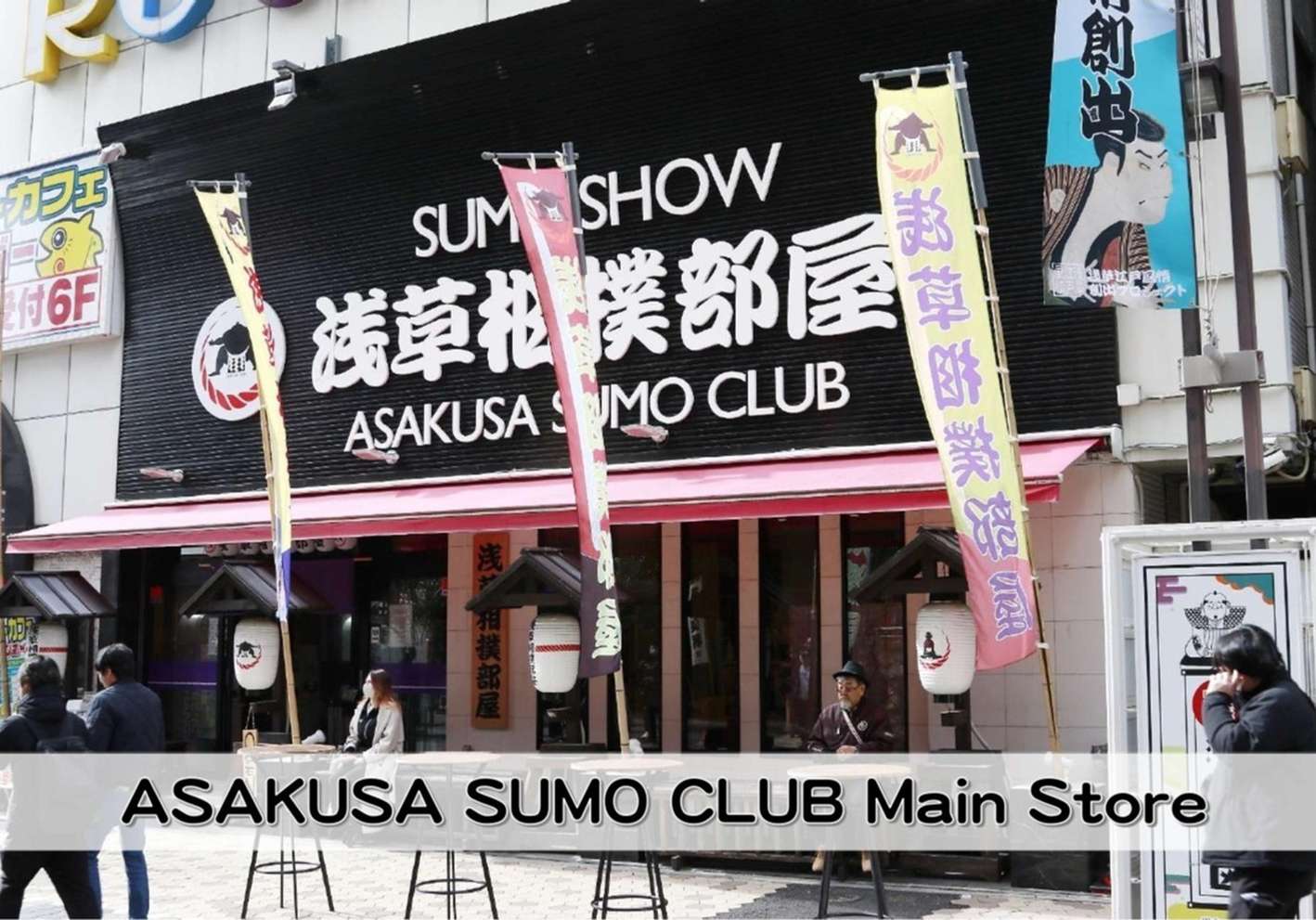
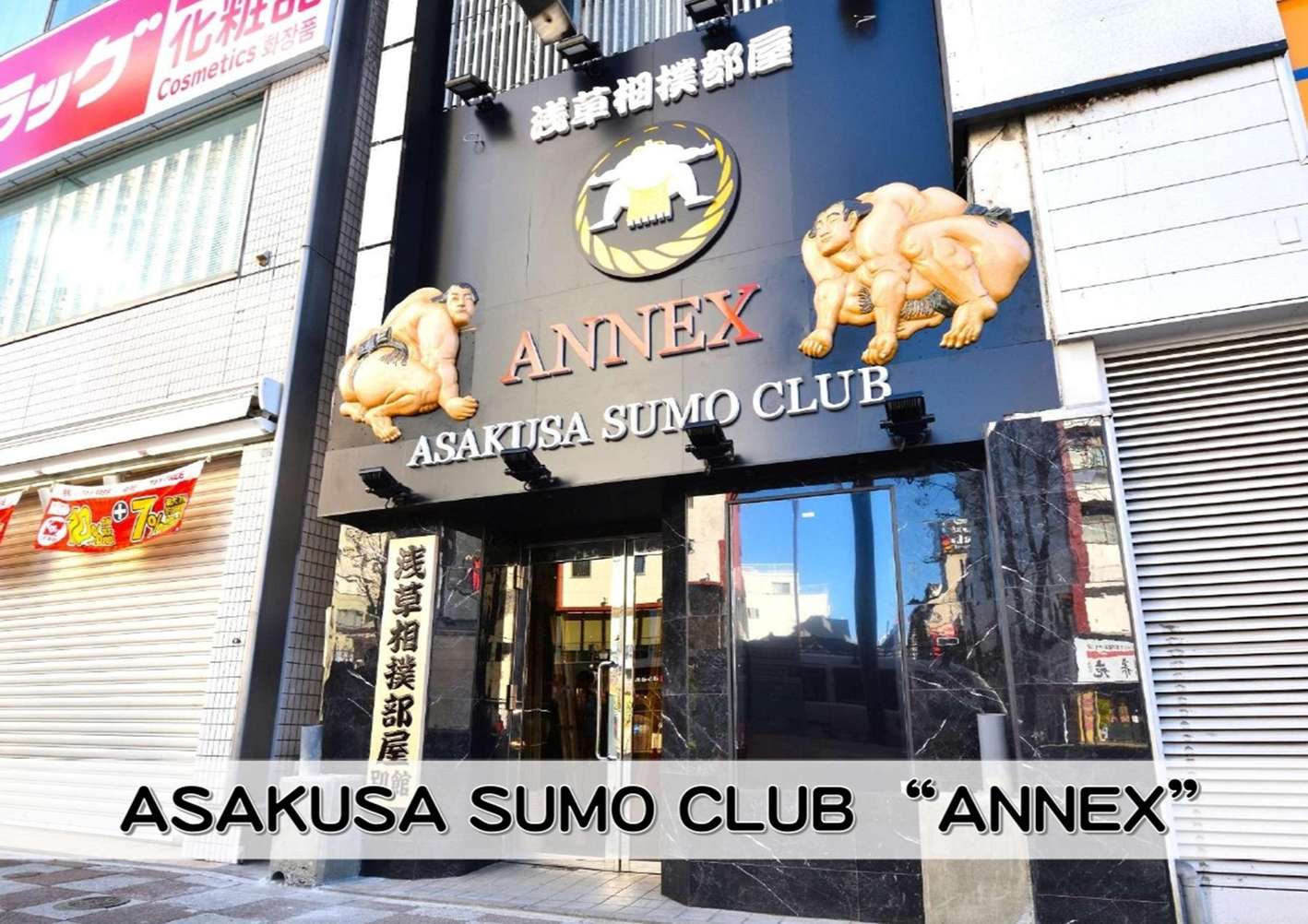
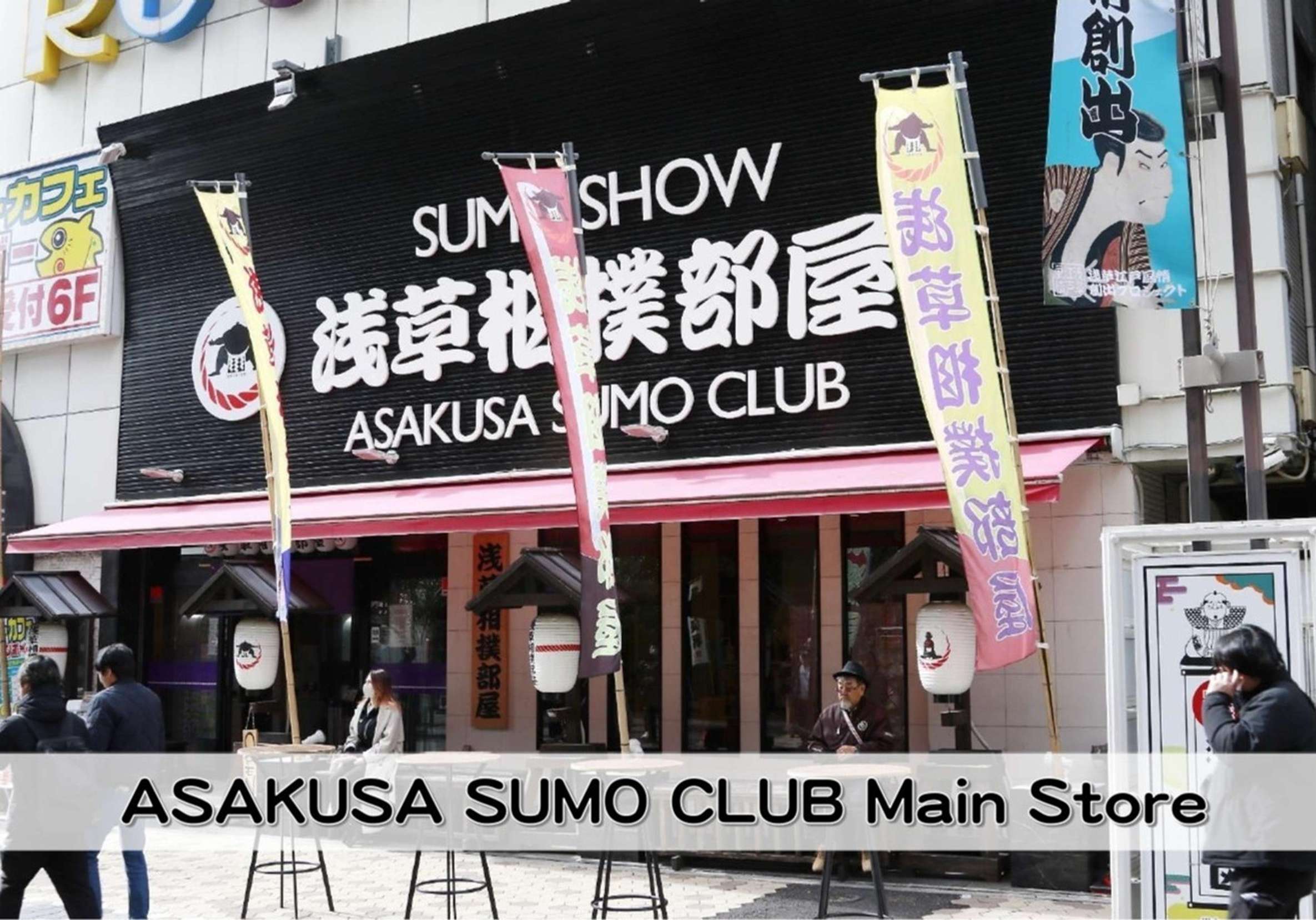
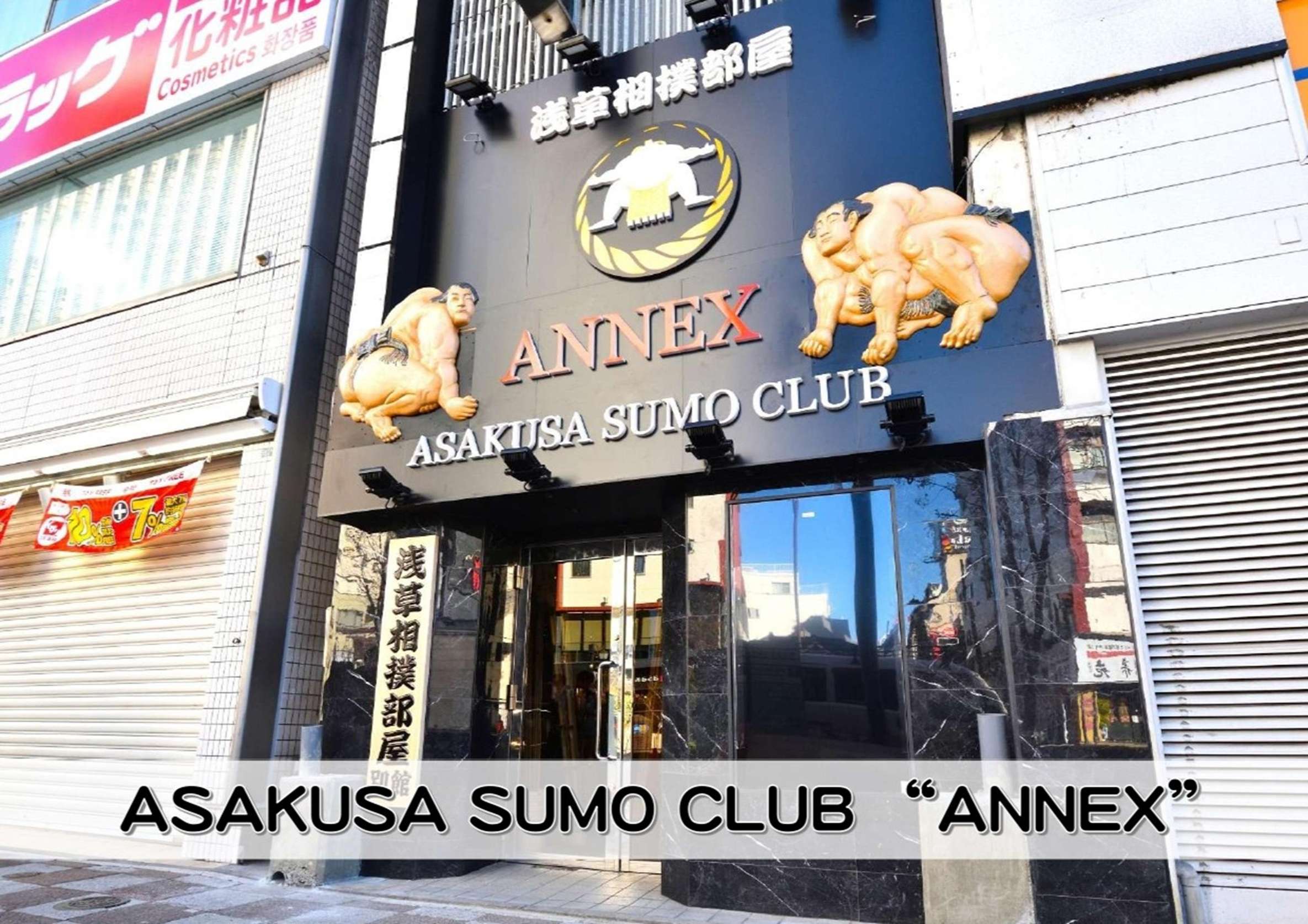
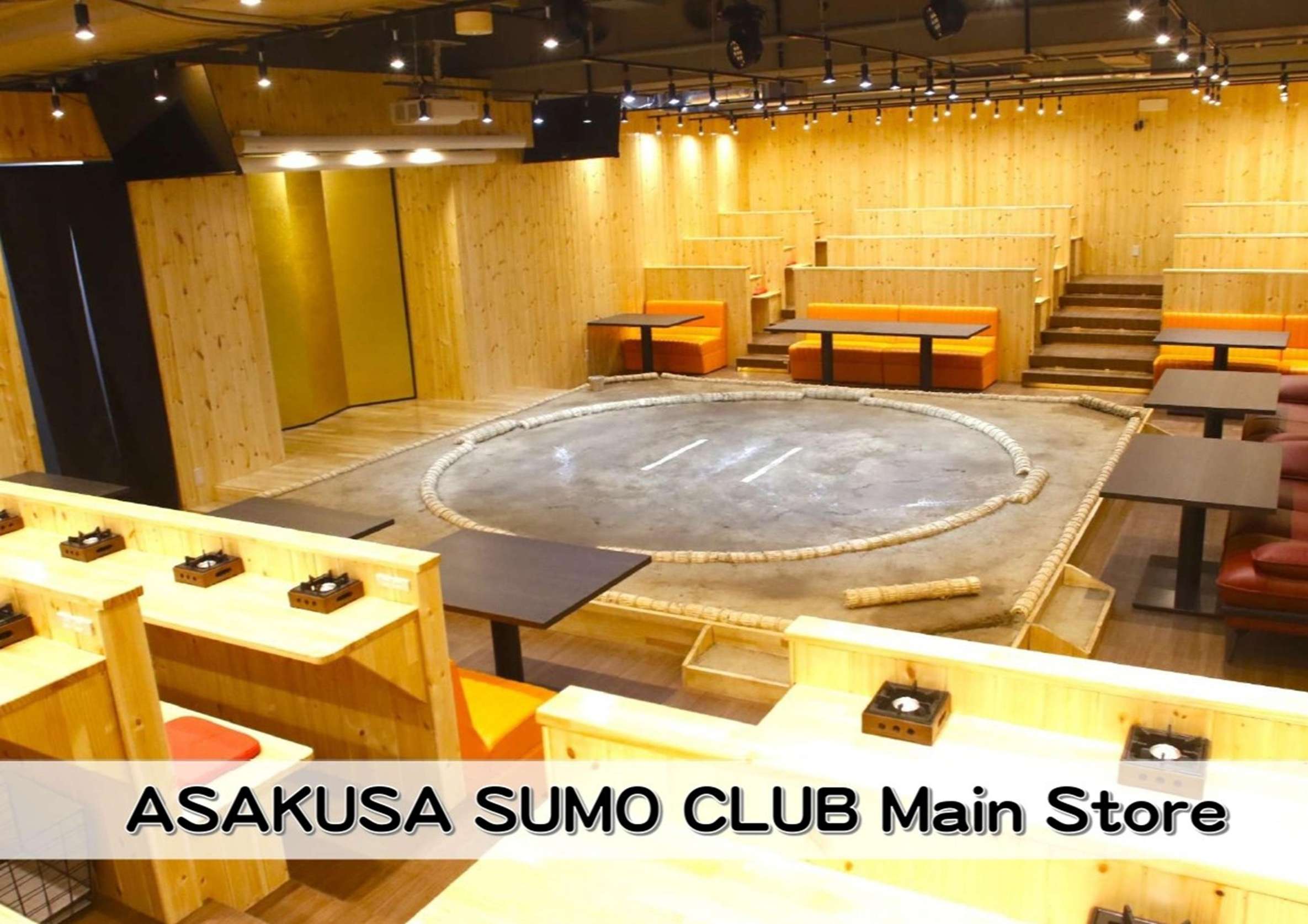
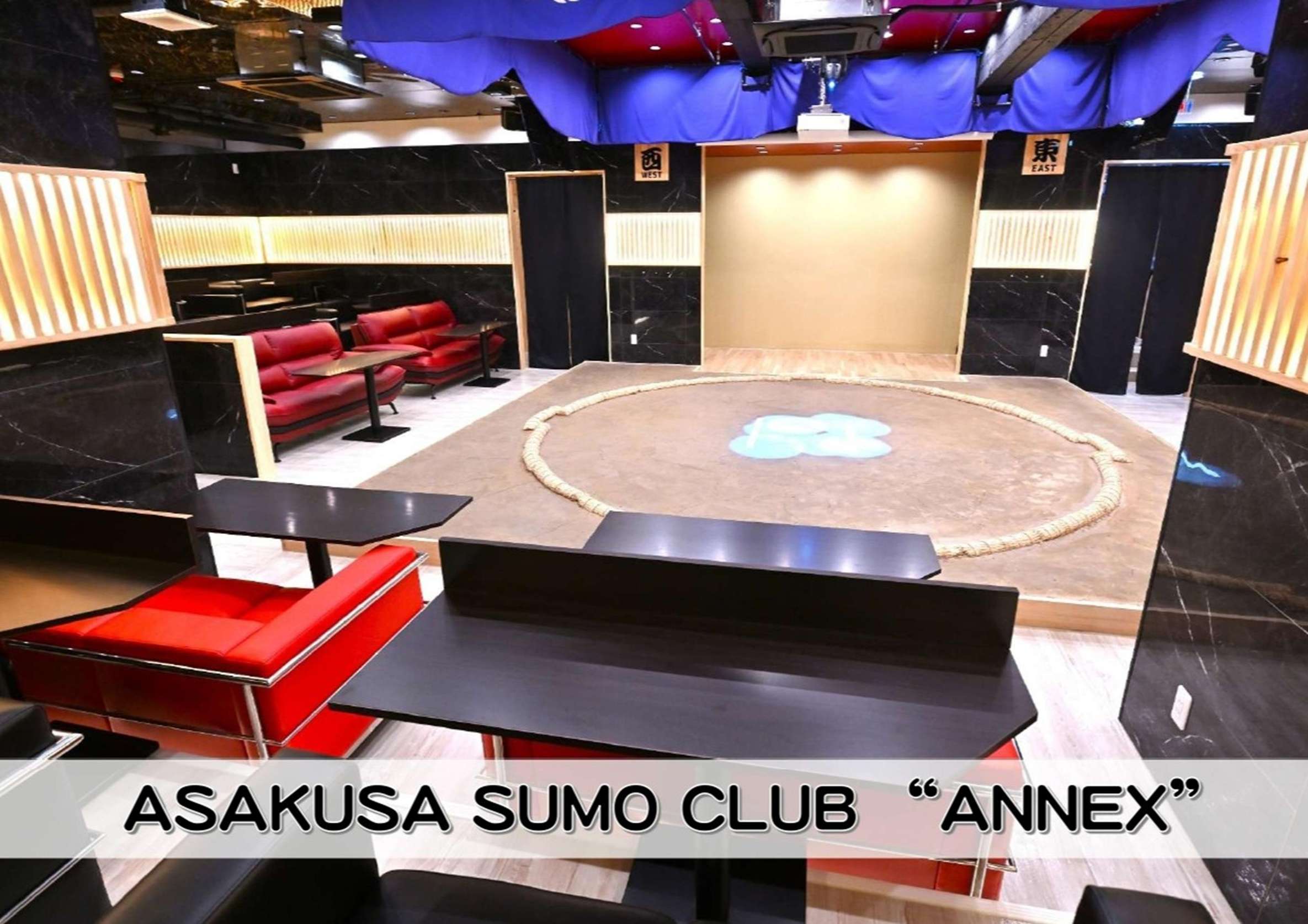
Common mistakePutting the wrong venue when a show runs standard seats at two locations, the main store and an annex, as the Asakusa club does
05
On the day of the show
Wear loose clothing you can crouch in, because ring challenges happen and guests take off their shoes for the dohyo. Ring spots are limited and chosen by lottery, and photos with the wrestlers come after the matches, so keep your phone charged.
RecommendedArrive early to settle in and grab your included welcome drink before the commentary starts
Pro tipPhotography is allowed throughout, so you can film the bouts and drills from your seat
Nearly every reviewer calls the show fun, praising the funny English-speaking MC who mixes comedy with sumo history.
Best surprise
Many guests did not expect to sit so close to the wrestlers, ask them questions, and come away with photos they love.
Most common wish
A few reviewers wished the venue showed fewer advertisements during the show itself.
Sumo Show in Tokyo with chanko hot pot and a geisha opener
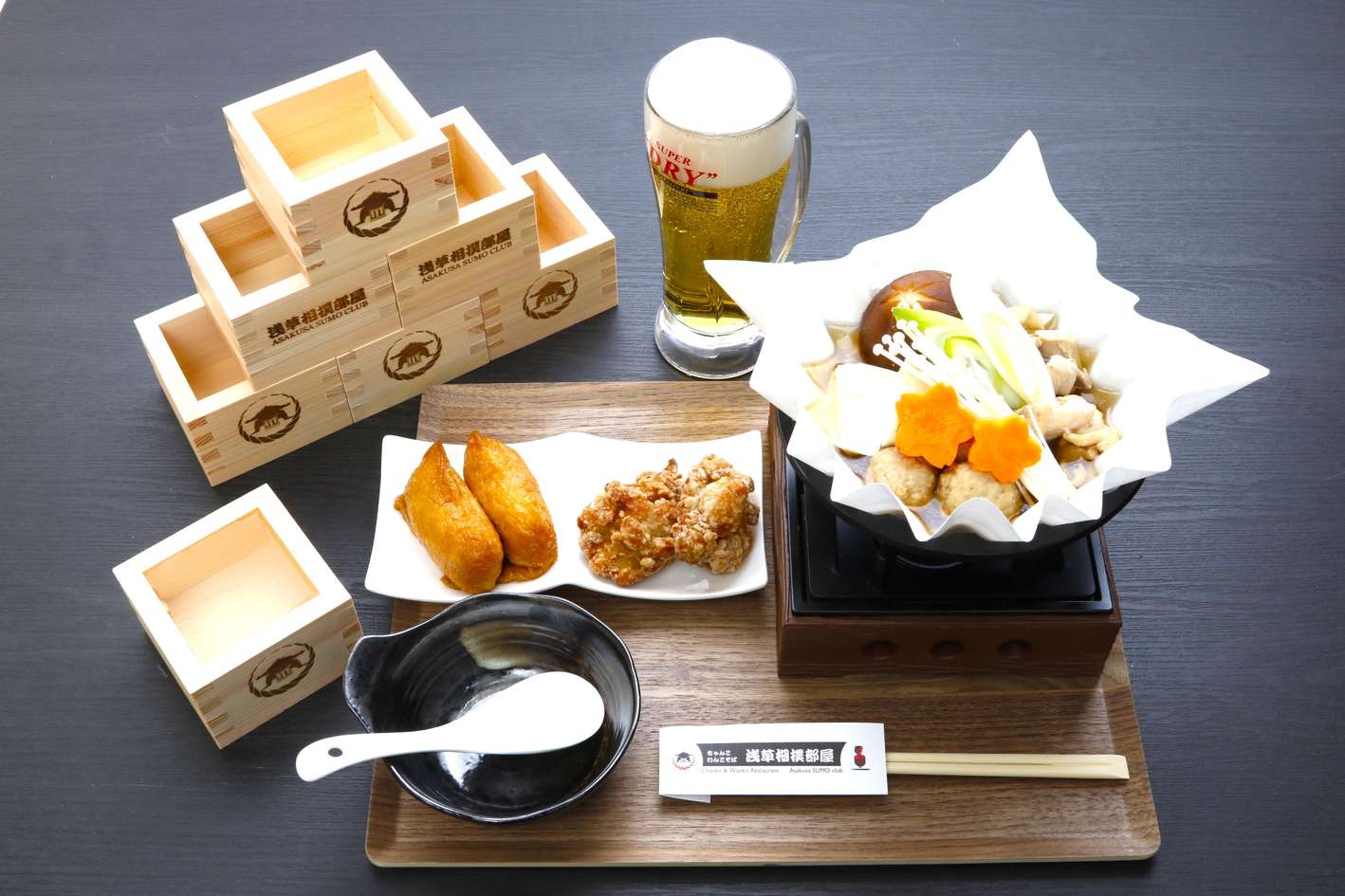
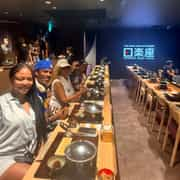
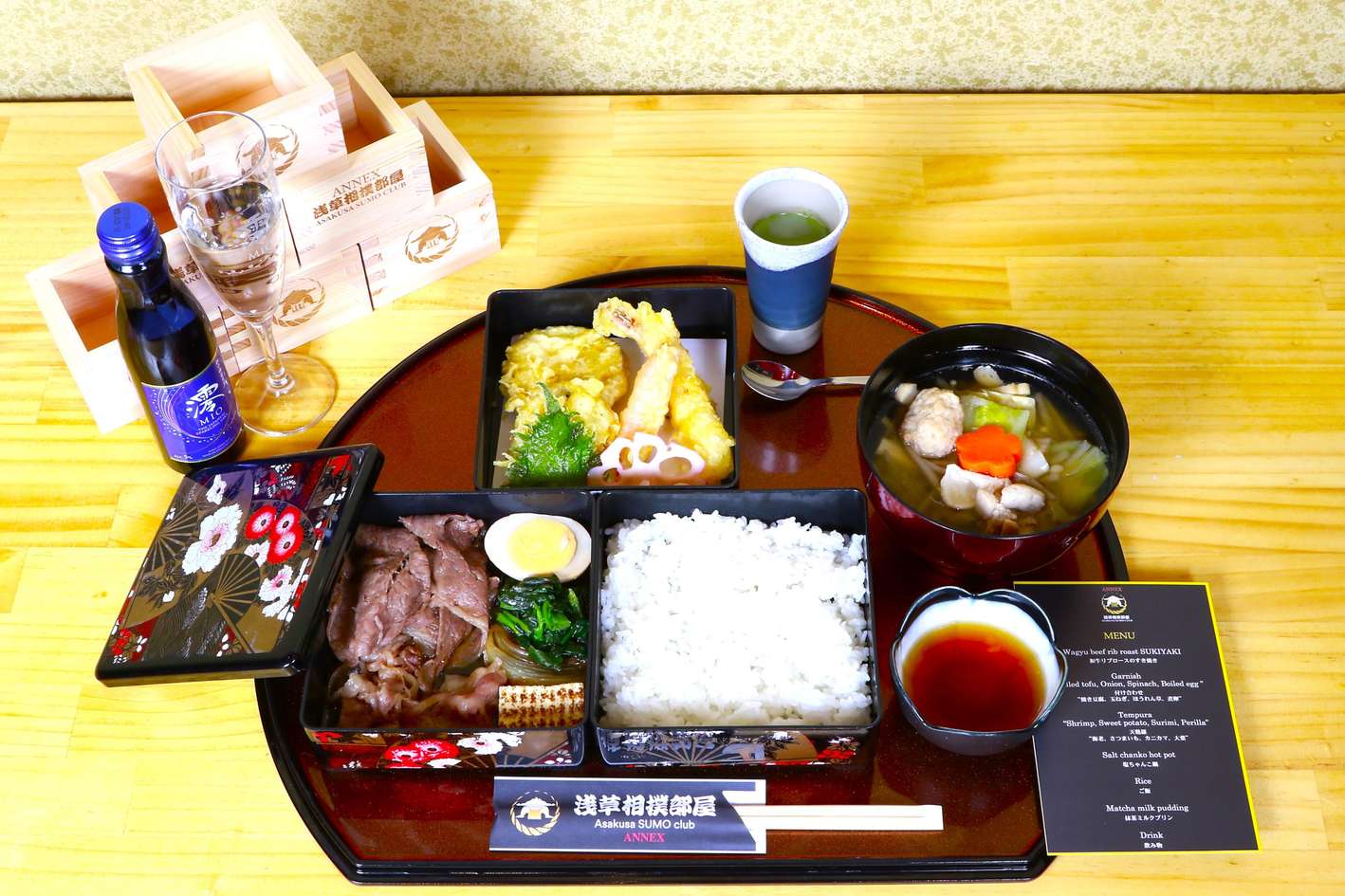
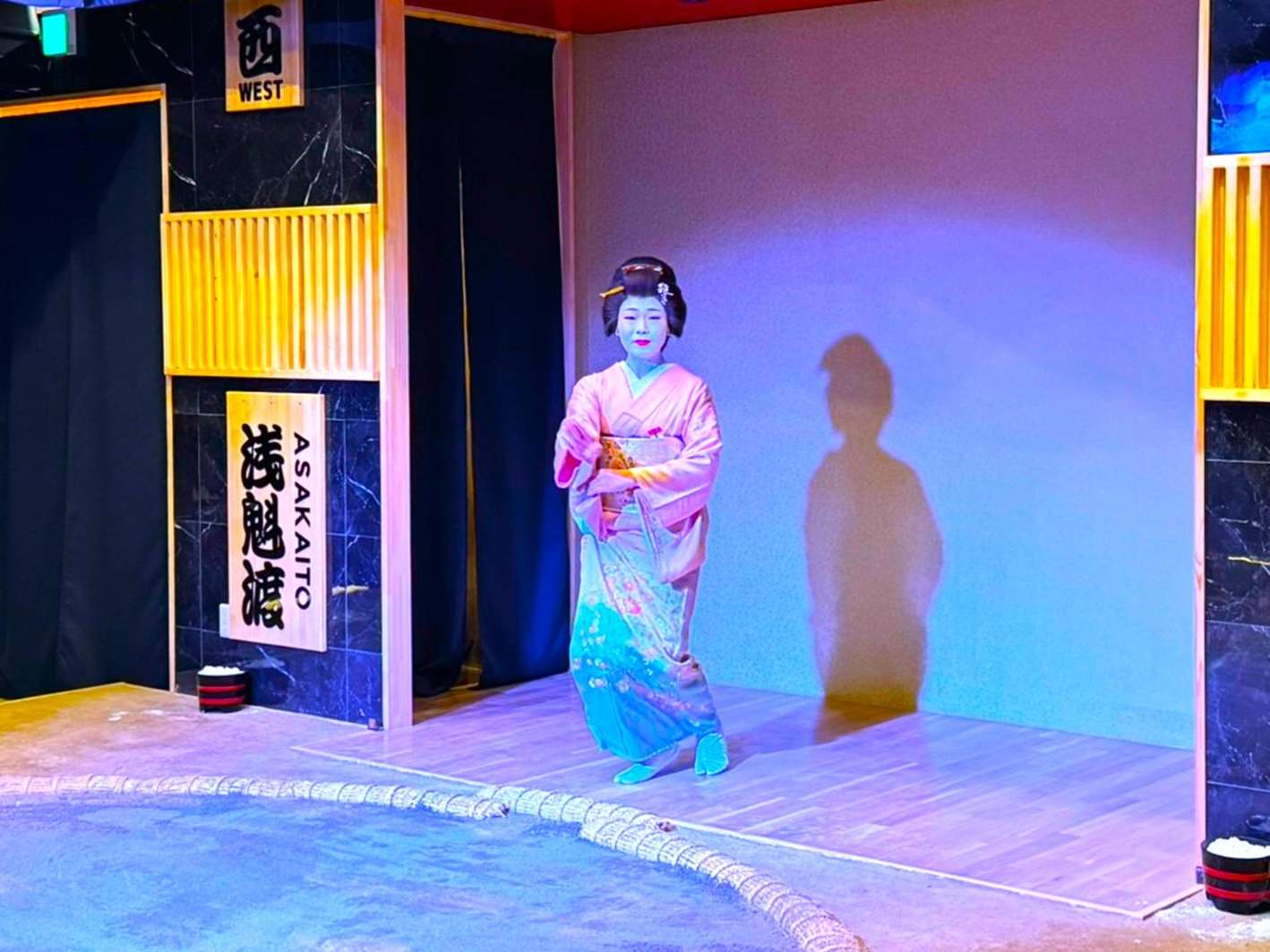
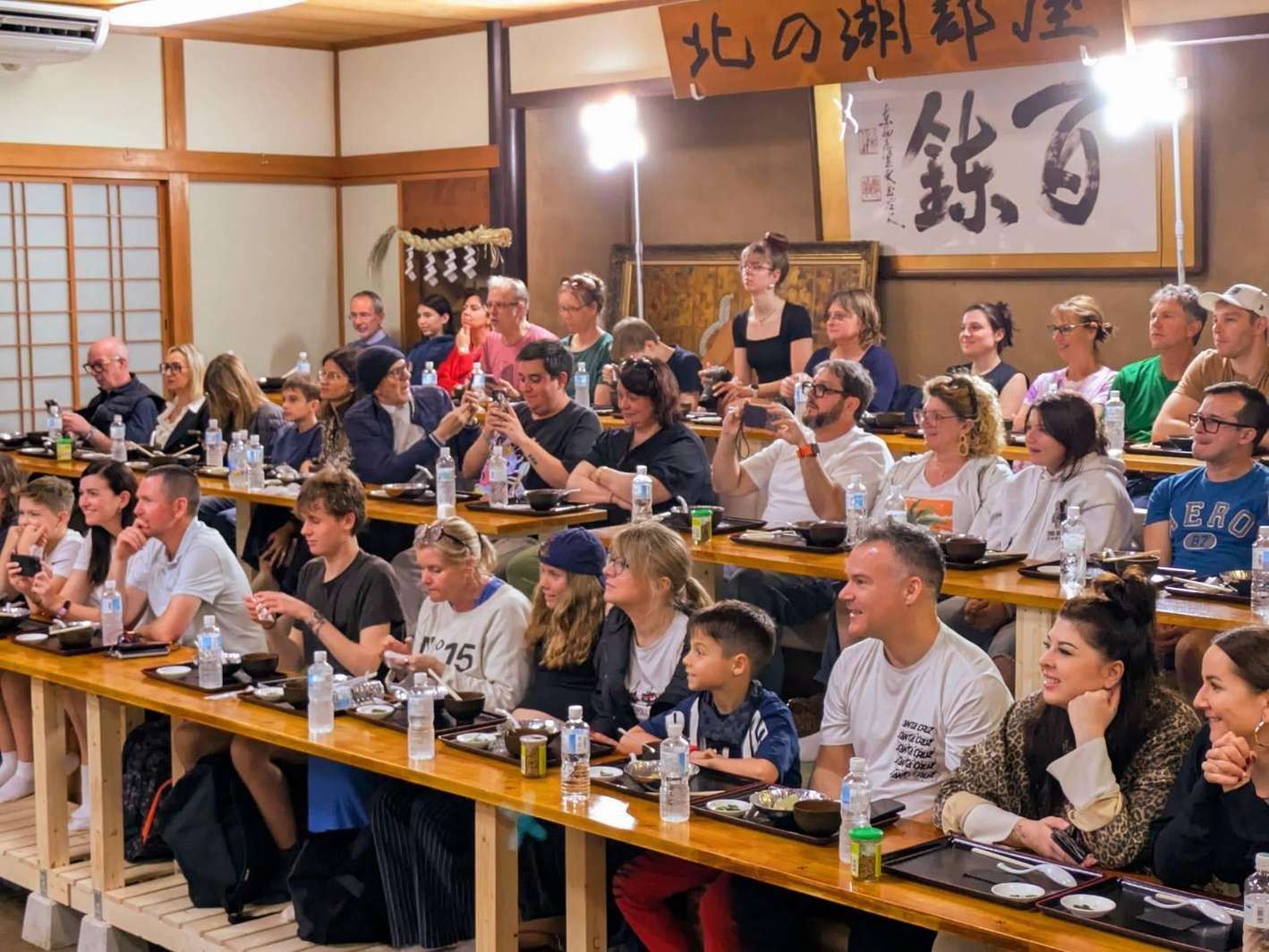
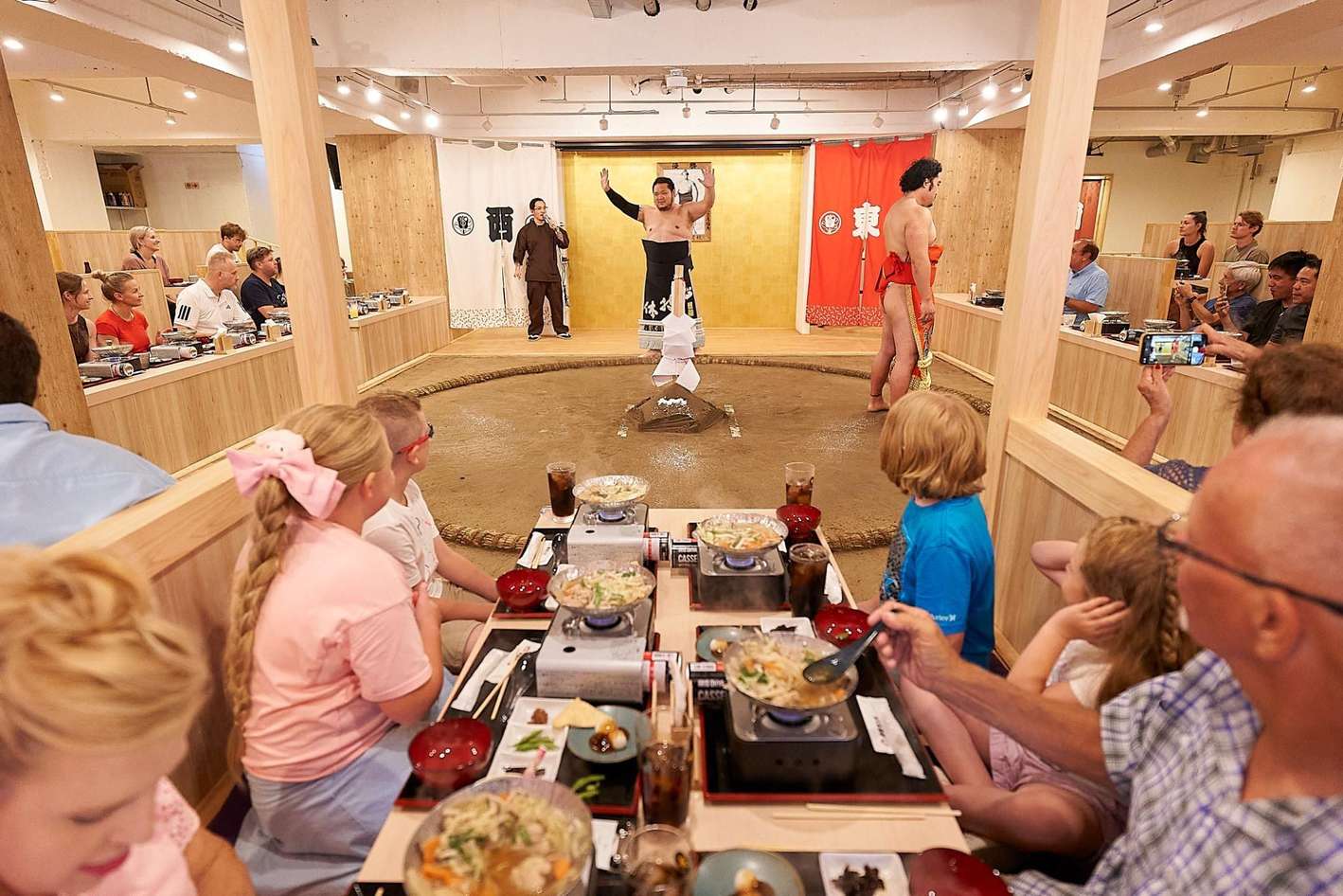
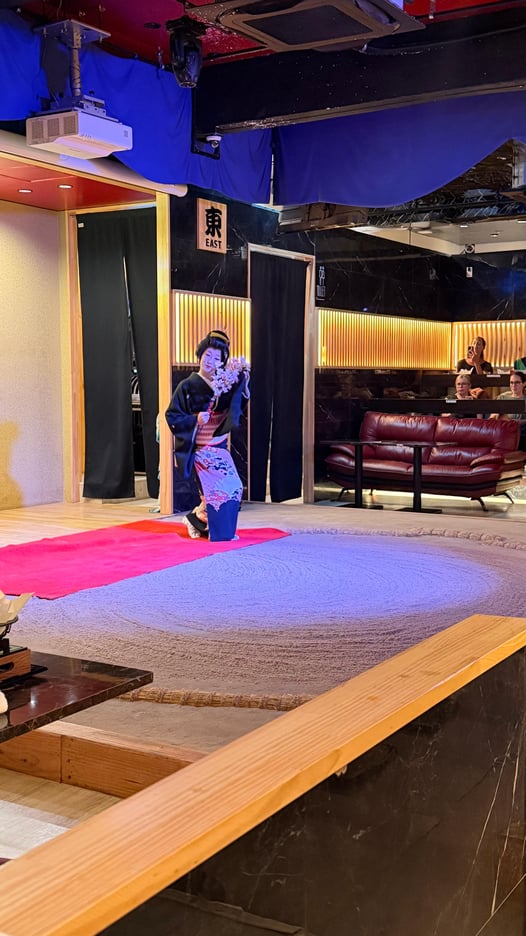
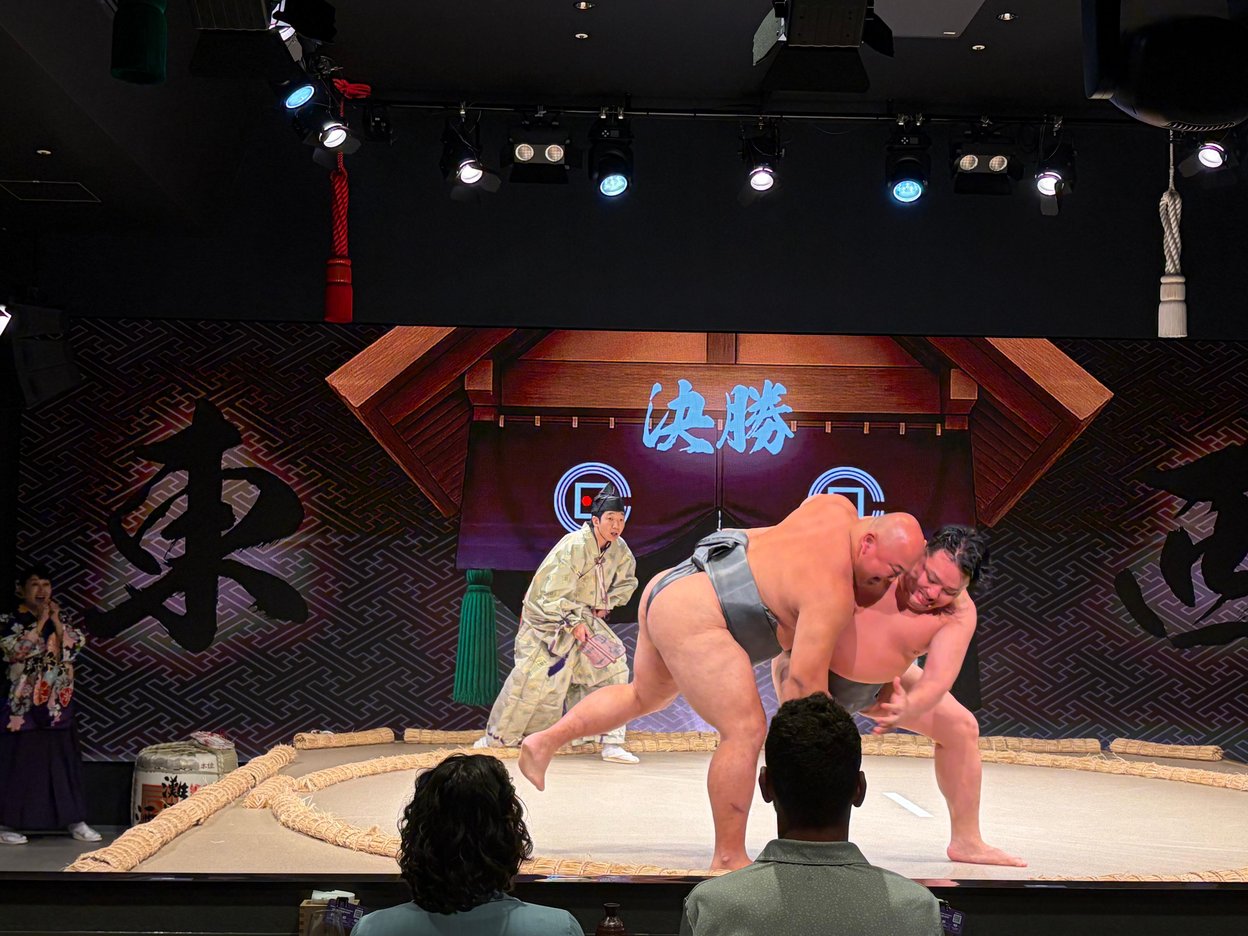
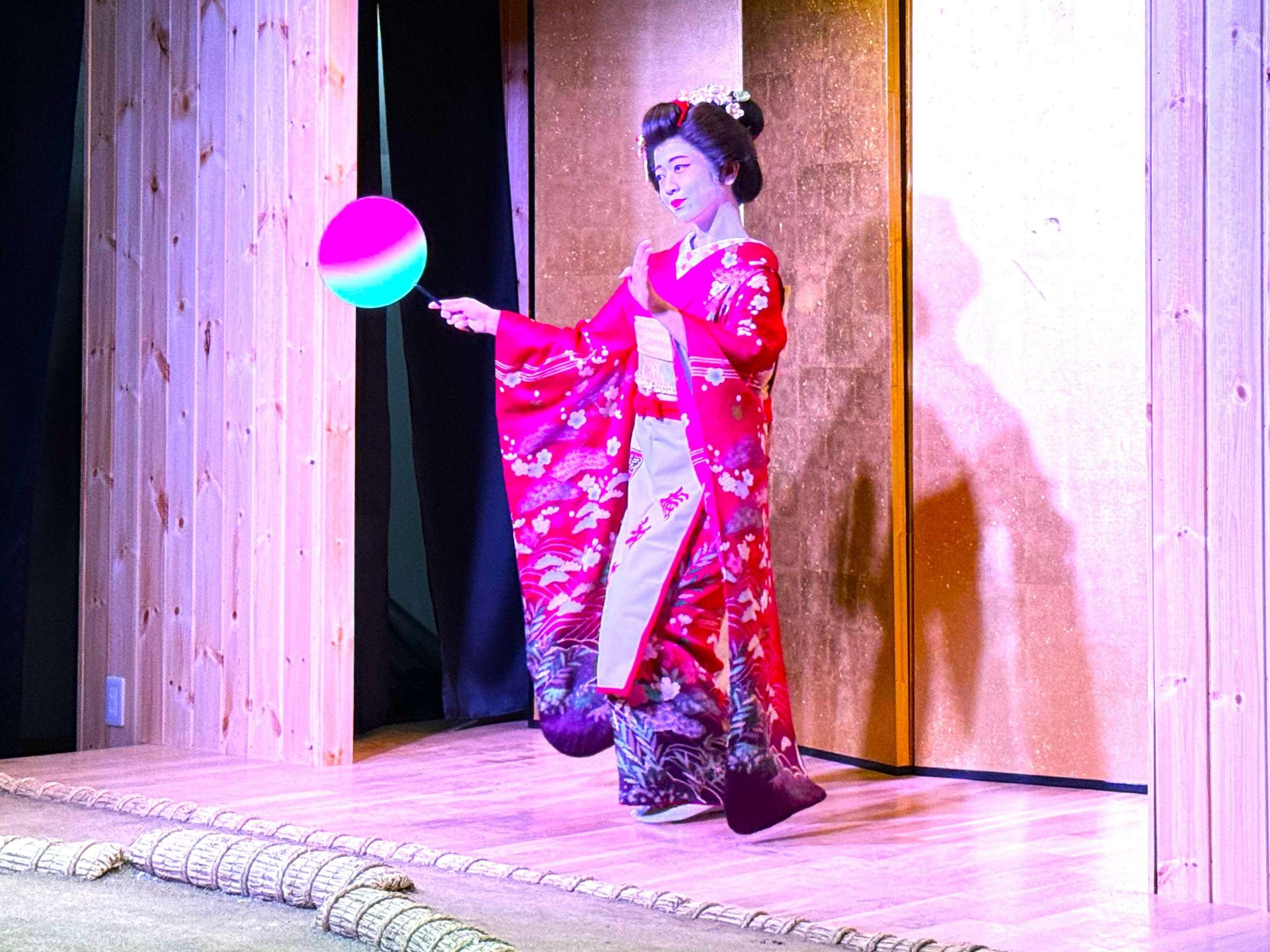
The evening starts with a geisha dance in kimono, and only then do the wrestlers take the ring. Between bouts, an English- and Japanese-speaking host explains the rules while you eat all-you-can-eat chicken chanko nabe and other Japanese dishes.
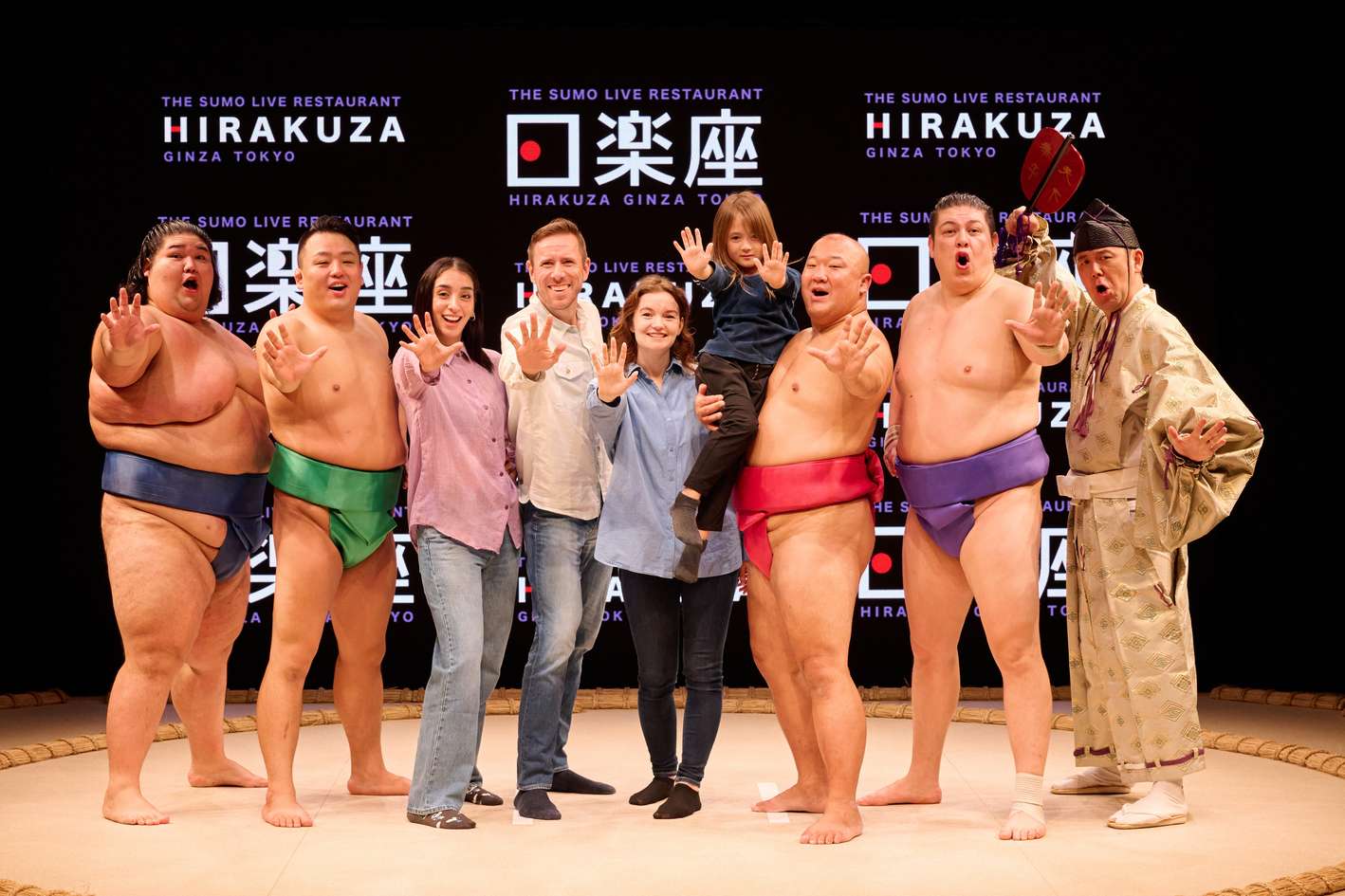
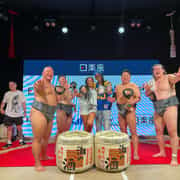
A few guests get picked by lottery to step into the ring and challenge a wrestler, and everyone gets a printed souvenir photo to take home. This one suits travelers who want dinner and a show in one sitting, with more time in the room than the shorter Shinjuku and Shibuya formats.
Full meal with the showAll-you-can-eat chicken chanko nabe and Japanese dishes are served while the matches run.
Proven crowd favoriteThe show carries a 4.8 rating from more than 8,700 guests, with a geisha dance included.
Diet rules handledVegetarian and vegan meals are available with two days' notice, and you can bring your own food.
Free cancellation up to 24 hours ahead, so hold a seat now and decide later.
You book a show, not a seat at a real tournament. The wrestlers are genuine retired professionals, and the bouts are choreographed demonstrations with no ranking at stake.
Meals
All-you-can-eat chanko nabe hot pot comes with many shows, though some showtimes serve no meal at all. Vegetarian and vegan options exist at several venues when you request them ahead.
Language
An English-speaking MC explains the rules, techniques and fouls throughout, and some venues run bilingual commentary. You follow every referee call without a phrasebook.
Timing
Dining shows run about two hours, from 30 to 40 minutes of meal service through the demonstrations to the ring challenges and a final photo and question session. Weekday afternoons are quieter than weekends.
02
BookingHow far ahead, and what happens if plans change
1
Cancellation
Most shows let you cancel up to 24 hours in advance for a full refund. A few Ginza dining shows are the exception and are non-refundable, so check the card before you pay.
03
Before you goPapers, health, what to bring
3
KidsCan stop the day
Children of any age can sit and watch, even babies on a guardian's lap. Hands-on training and ring challenges usually require children to be at least 5 and with a guardian. A few venues do not admit babies under 1.
Allergies
Chanko broth often contains soy, wheat, chicken, fish or shellfish, and one venue cannot serve gluten-free at all. Request allergy-friendly meals at least two days ahead, or bring your own food where allowed.
What to wear
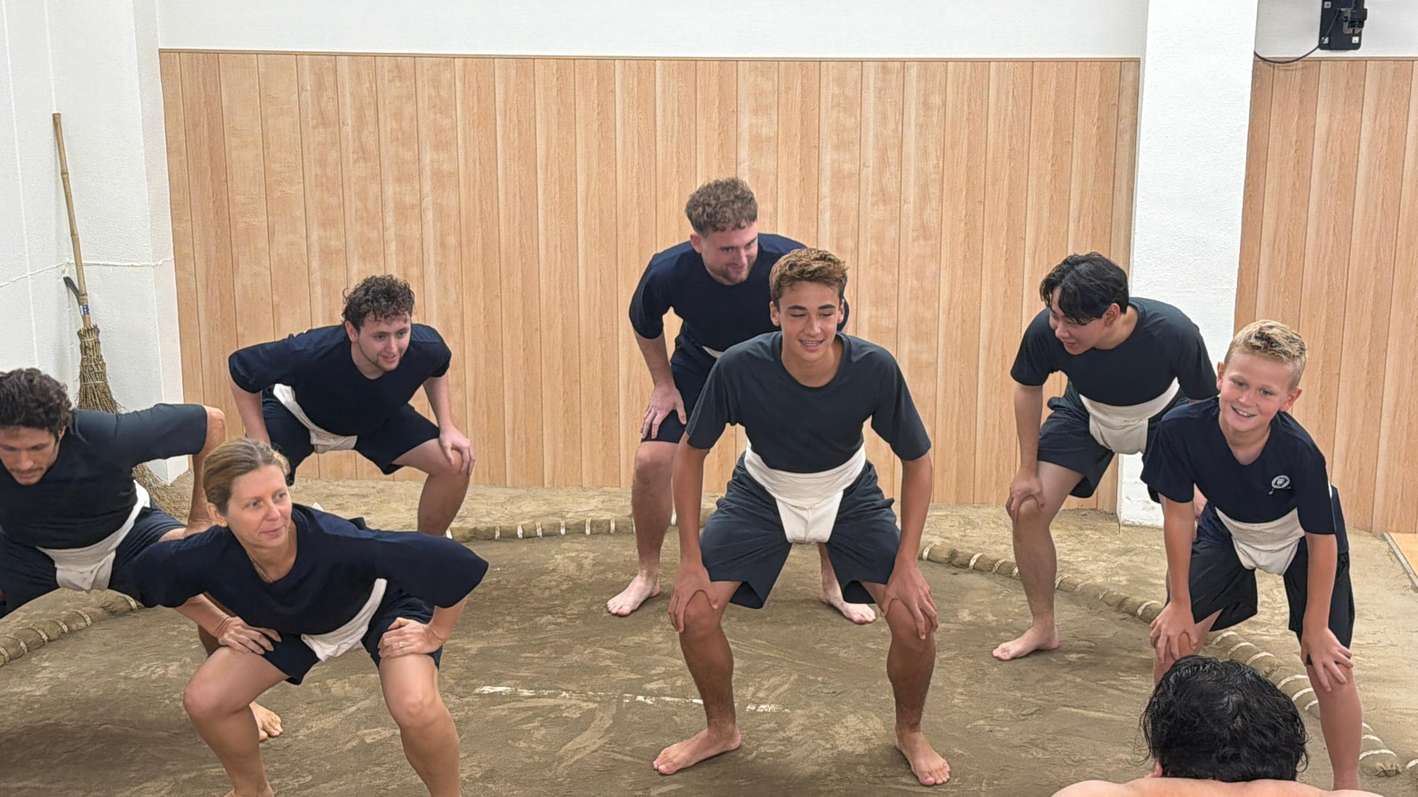
You remove your shoes before stepping onto the clay ring, so go barefoot or in socks you don't mind dusty. Loose sportswear works best, since venues hand out mawashi belts or padded suits to wear over your clothes.
04
On the dayWhere to be, when, and how you get there
1
MeetingCan stop the day
These shows run on a strict clock, and some venues turn away late arrivals at the front desk with no refund. Come to the meeting point ten or fifteen minutes early to be safe.
05
During the tourWhat is expected of you
2
Ring chance
Stepping onto the dohyo is never guaranteed. Venues limit challengers to a handful of guests per show and pick them by lottery when too many volunteer, so treat it as a bonus.
Photos
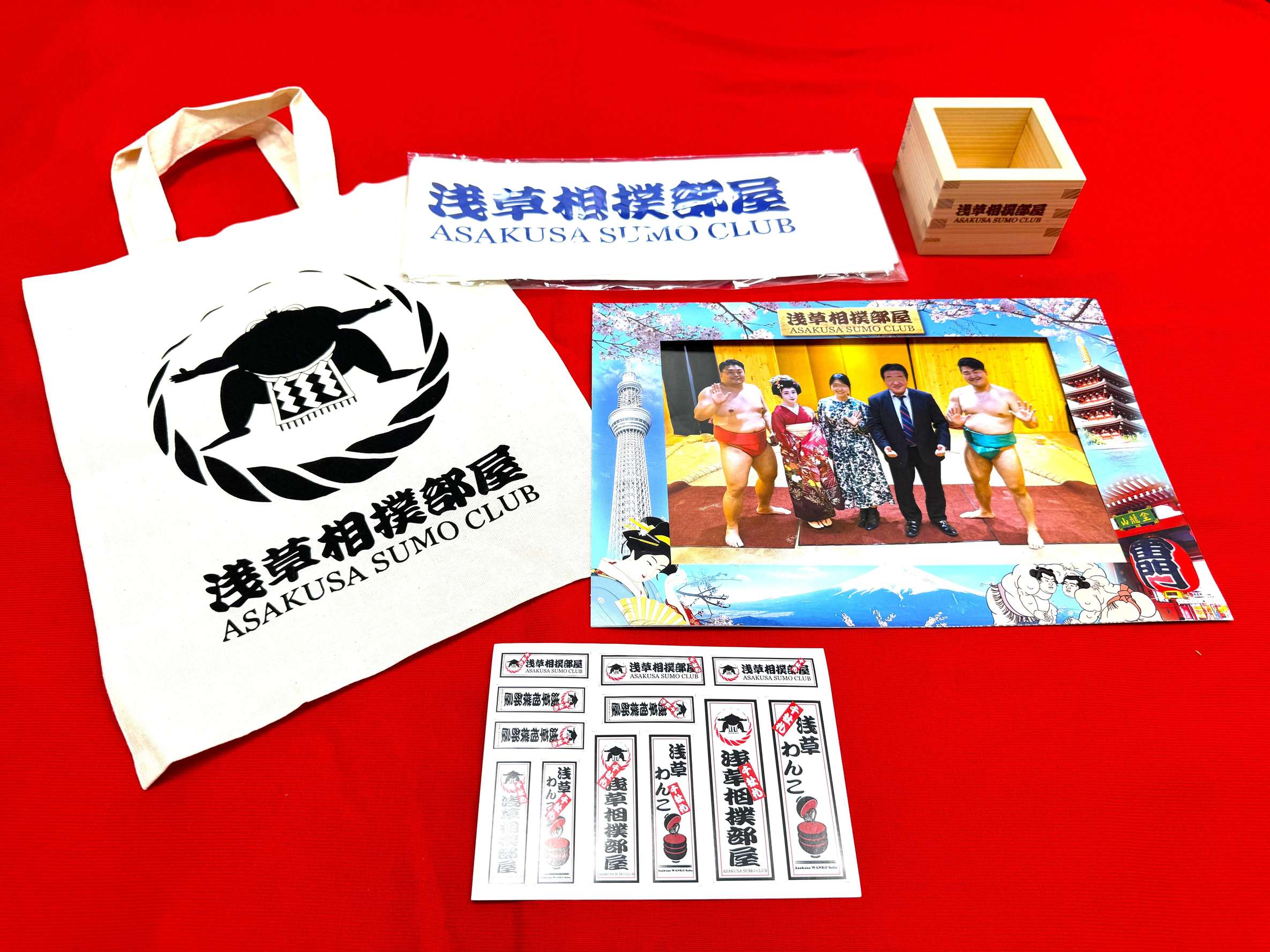
Photography and video are welcome during the matches, and there is a dedicated photo session with the wrestlers at the end. Staff can use your own phone for pictures, free of charge.
Seeing a sumo show in Tokyo - the editor's guide
Tokyo stages genuine sumo every week of the year, with retired professionals on full-size clay rings a few meters from your seat. Which venue, which meal, and which show time fit your evening is what this settles.
Tokyo
If you only remember three things
1
Book a weekday afternoon show: weekend evenings and public holidays fill first.
2
Arrive 15 minutes early; timed shows can refuse late entry with no refund.
3
Flag any allergy or special meal at least 48 hours before the show.
Picking your ring - how the show venues stack up
The room decides the evening. Shinjuku and Shibuya run tight 90-minute shows with an English-speaking MC, a welcome drink, and a lottery for the ring challenge. They are the easy first taste of sumo, a short walk from the nightlife districts. Neither serves a meal.
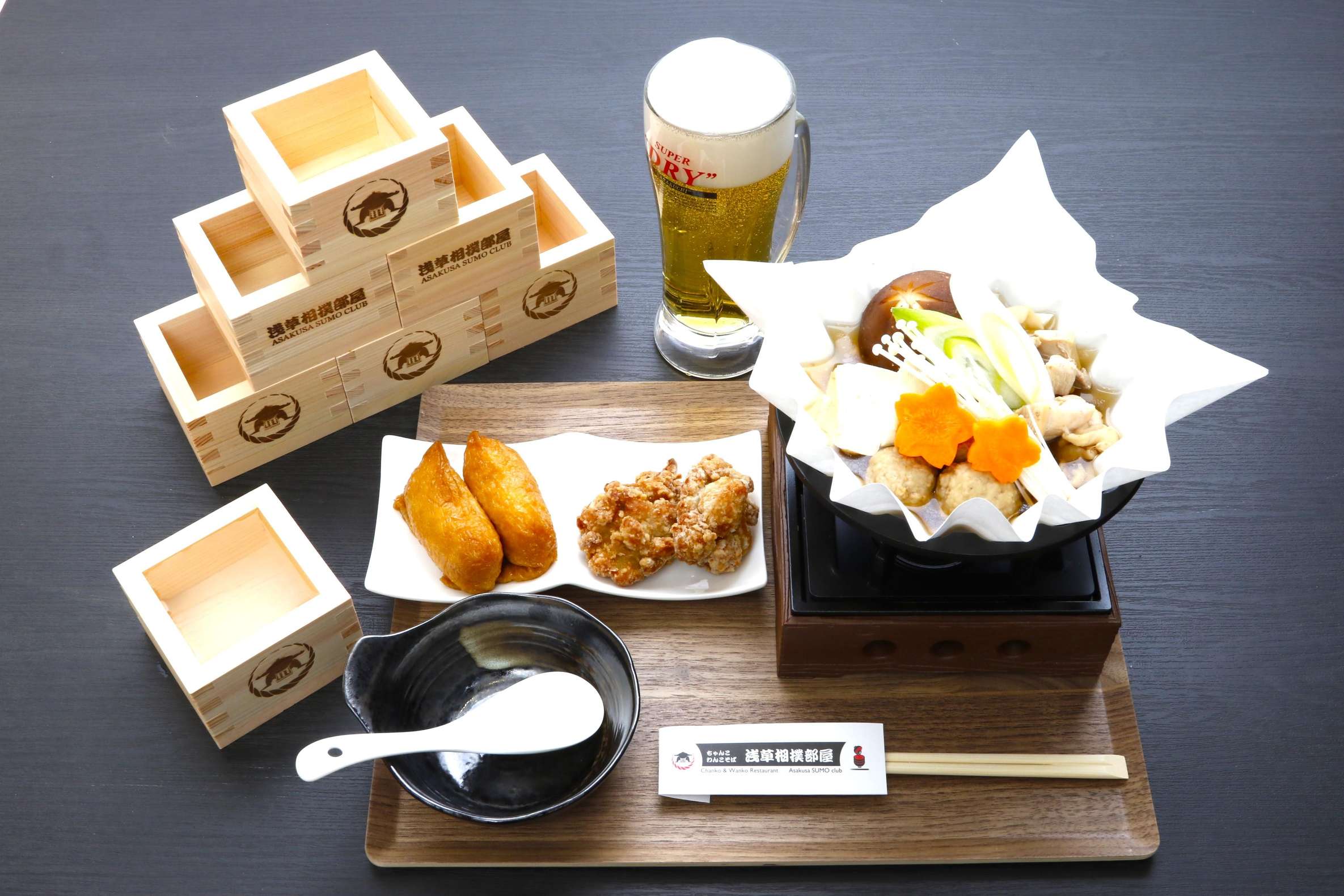
Asakusa stretches the format to two hours and adds a table: all-you-can-eat chicken chanko hot pot, a geisha dance before the wrestling starts, and bilingual commentary. It is the fullest package of the three.
For a special night, the Ginza kaiseki show pairs a full-scale dohyo stage with a multi-course Japanese dinner, three screens, and a sake bar.
Tokyo: Sumo Live Show & Authentic Kaiseki Dinner in Ginza is the one to book for that. It runs two hours, with standard and premium seating and an 8:30 pm night show that includes a drink.
Tokyo Tower runs four shows a day, from 10:30 am to 7:30 pm, and mixes sumo with lion dancers and Oiran performances.
Before you commit, the formats sit side by side below: neighborhood, meal, ring access, and how long each show runs.
Tokyo sumo show venues side by side
Shinjuku show
Shibuya show
Asakusa Sumo Club
Neighborhood
Shinjuku, near Kabukicho
Sendagaya, one minute from JR Yoyogi
Asakusa, behind a traditional restaurant
Meal
Welcome drink only
Welcome drink only
All-you-can-eat chicken chanko hot pot and Japanese dishes
Ring access
Lottery, limited challengers
Lottery, limited challengers
Lottery, limited challengers
Show length
1.5 hours
1.5 hours
2 hours
Extra draw
Souvenir photo with wrestlers
Photos with wrestlers
Geisha dance and printed photo
Verdict
Best first taste
Same team, south of the river
Best full-evening package
Shinjuku show
Neighborhood
Shinjuku, near Kabukicho
Meal
Welcome drink only
Ring access
Lottery, limited challengers
Show length
1.5 hours
Extra draw
Souvenir photo with wrestlers
Verdict
Best first taste
Shibuya show
Neighborhood
Sendagaya, one minute from JR Yoyogi
Meal
Welcome drink only
Ring access
Lottery, limited challengers
Show length
1.5 hours
Extra draw
Photos with wrestlers
Verdict
Same team, south of the river
Asakusa Sumo Club
Neighborhood
Asakusa, behind a traditional restaurant
Meal
All-you-can-eat chicken chanko hot pot and Japanese dishes
Ring access
Lottery, limited challengers
Show length
2 hours
Extra draw
Geisha dance and printed photo
Verdict
Best full-evening package
Whichever row fits your evening, book that venue first and build the rest of the day around it. The neighborhood is easy to change afterward; the meal and the show length are not.
Tour for this
Tokyo: Sumo Entertainment Show with Chicken Hot Pot & Geisha4.8★ (8,711) · 2 hours · Free cancellation
Tokyo hosts the Grand Sumo tournament only three times a year, in January, May, and September, fifteen days each at the Kokugikan. Miss those weeks and the stadium is dark. The official schedule, published up to two years ahead, shows whether your dates line up.
Even in tournament season, tickets are the hard part. Full fifteen-day slates can sell out online within minutes, same-day box office sales have been discontinued, and the Japanese ticketing site demands a local phone number. The English site works without one, but ringside seats and Box S seats never appear on it.
The shows are staffed by retired professional rikishi, and their bouts are genuine grappling, only without rankings at stake. What you lose in competition you gain in access: English explanations, seats a few meters from the ring, and the chance to challenge a wrestler, none of which a tournament allows.
Three beliefs stop travelers from booking one, and none of them survives the facts.
What people wrongly assume
MythSumo disappears from Tokyo between tournaments
Reality
Dinner shows, demonstrations, and stable training run year-round
MythShow wrestlers are actors in padded suits
Reality
Performers are genuine retired professional sumo wrestlers
MythShow tickets are as scarce as tournament tickets
Reality
Shows are bookable year-round, days or weeks ahead
So the calendar no longer decides anything. If your dates fall outside those fifteen-day windows, a live match with real wrestlers is a booking away, and the seats sit closer than any ticket at the Kokugikan.
Tour for this
Tokyo Ginza Sumo Show: Live Performance & Photo Experience4.7★ (2,064) · 1.5 hours · Free cancellation
The clock depends on the format you book. Dining shows that include a table run the full 120 minutes, and the split inside them is remarkably consistent. Shinjuku and Shibuya skip the meal and run 90-minute versions of the same evening, so the difference between the two figures is the dinner.
Food lands first: 30 to 40 minutes of meal service while you settle in around the ring. Then the wrestlers take the floor for 20 to 30 minutes of demonstrations.
That middle stretch is where the sport opens up. An English-speaking MC walks through the shiko leg stomps and the sliding footwork, the salt thrown to purify the clay, and the moves that lose a bout instantly. Some venues add comedy, acting out forbidden techniques like hair-pulling for laughs.
Bouts follow, best-of-three at some venues, elimination brackets at others. The final stretch belongs to the audience, and the sequence below shows where your own minutes go.
How the show unfolds
1
First half hour
Meal service around the ring
Chanko hot pot or a set meal, drinks poured
2
Next 20 to 30 minutes
Wrestling demonstrations
Stances, training drills, salt rituals, explained in English
3
The bouts
Exhibition matches between former professionals
Best-of-three or elimination format
4
Final stretch
Ring challenges and photos
A 15-minute photo and Q&A session closes the night
Photography and video are allowed throughout the show, a small liberty worth savoring, since tournament seats are far stricter. The last quarter hour, a photo with a wrestler beside you and questions answered in English, is the part people remember.
Tour for this
Tokyo: Shinjuku Sumo Show & Experience with a Photo4.9★ (9,863) · 1.5 hours · Free cancellation
Who's welcome in the ring - kids, solos, and women
Almost everyone gets through the door. Central Tokyo shows set no minimum age for spectators; infants sit on a guardian's lap. Stepping onto the clay is another matter: ring challenges and hands-on training start at age five, sometimes four at the most family-oriented venues, with a guardian alongside.
Women are welcome on the show ring. This is the part that surprises people who have read about the old stables, where religious custom bars women from the dohyo. Entertainment venues run the opposite way, and girls and women wrestle volunteers' matches like anyone else.
Solo travelers fit fine too. Some dining shows seat single guests together with other parties, so bring no expectations of a private table. Staff will take your commemorative photo on your own phone, free of charge.
A few details catch first-timers off guard, and each one is easy once you know it.
What nobody tells you
Ring challenge spots are few and drawn by raffle
Volunteering guarantees nothing; treat a win as a bonus
Solos share tables with other guests
The rooms are intimate, so a shared table stays easy and friendly
Women are welcomed onto show dohyos
The bar on women holds at traditional stables; entertainment venues welcome them
None of these change what a ticket costs. They change what to expect when the raffle bucket comes around, and what to tell anyone traveling alone in your group.
Tour for this
Tokyo: Sumo Live Show & Authentic Kaiseki Dinner in Ginza4.6★ (61) · 2 hours
Timing does more for your evening than any seat upgrade. Weekday afternoons are the quiet shows. Weekend evenings and public holidays draw the biggest crowds and sell out first, and a full room makes the lottery for the ring challenge tighter.
Book as far ahead as your itinerary allows, because the venues are small. Rings run to perhaps a few dozen meters of seating around the clay, and even the last row is close.
A traveler's note
Fun, engaging, full of culture and spectacle! The wrestlers were skilled and funny, and presenter John ran the show with contagious energy and spectacular English (an English teacher here, and.
That closeness is the quiet advantage these rooms hold over the Kokugikan, where standard tournament seating sits tiers above the ring. Here, the wrestlers walk past close enough to hear their breath.
Tour for this
Tokyo: Sumo Show with Former Wrestlers & Meal Options4.9★ (11) · 2 hours · Free cancellation
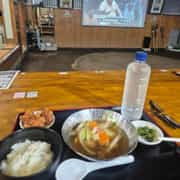
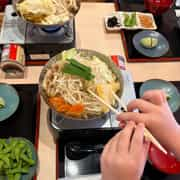
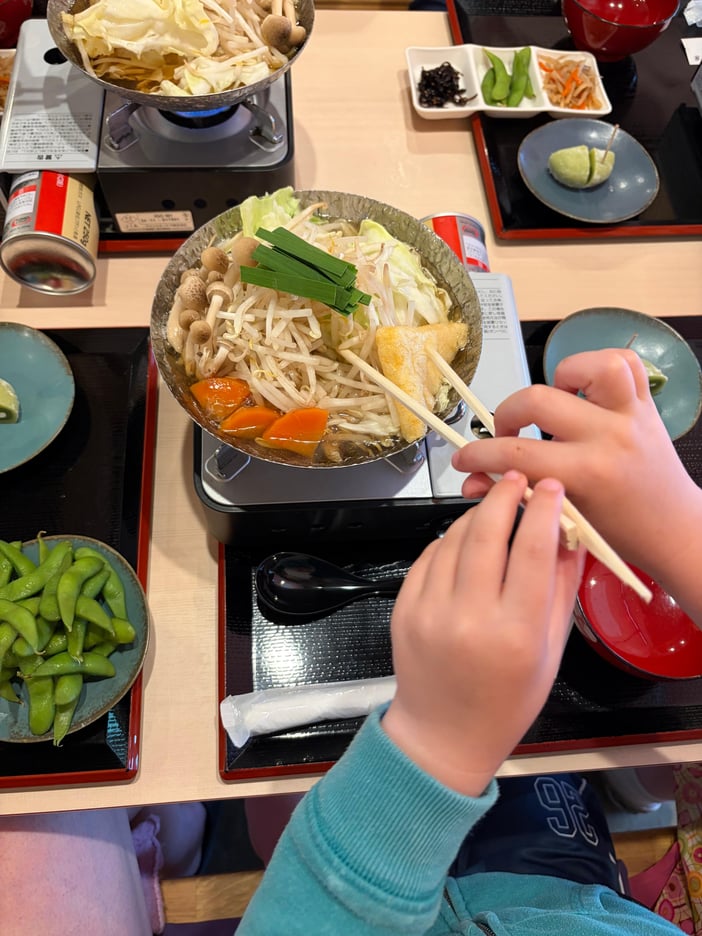
Chanko nabe is the wrestlers' daily fuel, a protein-rich hot pot of chicken, napa cabbage, carrots, green onions, and fried tofu simmered in dashi or chicken stock. The chicken is deliberate: poultry stands on two legs, a sign of victory, where a four-legged animal recalls a wrestler face down.
Menus vary by venue. Asakusa pours the hot pot in all-you-can-eat portions alongside Japanese dishes, and throws in a geisha dance before the bouts.
Tokyo: Sumo Entertainment Show with Chicken Hot Pot & Geisha is the clearest example of the full table. Ginza serves a structured kaiseki sequence instead, with vegan, halal, kids, and on-request gluten-free menus.
Drinks start with one complimentary pour or bottled water; the rest is billed separately, and some premium tiers include open bars.
One fact about the food decides bookings outright for some travelers, so it goes here on its own.
Before you book with an allergy
Chanko broth carries soy, wheat, chicken, fish, or shellfish, and shared stock and utensils can cross-contaminate; some venues cannot cook gluten-free at all, though they allow you to bring your own food Submit allergy, vegetarian, vegan, or halal requests at least 48 hours ahead, or plan to bring your own meal
Give the kitchen that two-day head start and the hot pot adapts easily; the venues feed wrestlers daily and know how to work around a broth. Show up on the day with a request instead, and the answer may simply be no.
Tour for this
Tokyo: Luxury Sumo Show Experience & Japanese Cuisine & Drinks4.7★ (1,033) · 2 hours · Free cancellation
Volunteer for the challenge and the venue hands over the hard part: a real mawashi belt, a padded sumo suit, or a souvenir shirt to wear over your clothes. The gear is provided. What you wear under it is your problem.
Choose loose, flexible gym clothing that lets you crouch deep, and leave the stiff jeans at the hotel. Shoes come off at the venue, and you step onto the clay barefoot or in socks you accept will get dusty. Venues keep washing stations for rinsing off the sand afterward.
Small things matter once you are on the ring. Watches and rings come off before you wrestle, and children should bring their own well-fitting shorts, since loaner bottoms run adult-sized.
What to wear and bring for the sumo ring
Loose t-shirt and athletic shortsOperators recommend flexible sportswear that allows full movement for practicing leg stomps, sliding footwork, and ring crouching drills.
Fitted shorts for young childrenVenues often stock loaner change-of-clothes shorts only in adult sizes, so bring children's own well-fitting gym shorts to wear.
Slip-on shoes and removable socksShoes must be removed before stepping onto the ring platform, and socks come off so participants enter the clay dohyo in bare feet.
Small hand towelUseful for drying feet after using the venue wash station or handheld shower to rinse off clay and sand after ring challenges.
Hair tie and no jewelryWatches, rings, and loose jewelry must be taken off before stepping onto the ring to prevent scratches and avoid snagging on gear.
Travelers who want a full training session alongside the bouts can book Tokyo Ginza Sumo Show: Live Performance & Photo Experience, which adds an optional hands-on training plan with shiko and footwork drills on the ring, taught by the same former wrestlers who put on the show.
Tour for this
Tokyo: Shibuya Sumo Show with Experience & Photo4.9★ (3,242) · 1.5 hours · Free cancellation
Reaching the venue from Shinjuku, Shibuya, or Tokyo Station
Most show venues sit in central Tokyo, and the trains handle the distance well. From Shinjuku, the JR Sobu Line runs direct to Ryogoku in 22 to 25 minutes, or the Oedo Line gets you there from Shinjuku-Nishiguchi in about as long.
Tokyo Station is the shortest hop: Yamanote Line to Akihabara, then the Sobu Line, 13 to 16 minutes in total.
Shibuya travelers change once, riding the Yamanote Line to Akihabara before transferring, roughly 30 minutes door to door.
The Shinjuku and Shibuya show venues save you the trip entirely, sitting in Okubo, Kabukicho, and beside JR Yoyogi station. Pick your venue first, then let the route follow.
Whichever line you take, leave a buffer. Trains that run late are the most common reason guests miss the front desk cutoff, and the cost of that miss is steep.
Tour for this
Tokyo: Sumo Entertainment with Japanese Meal at Tokyo Tower4.9★ (90) · 1.5 hours · Free cancellation
These shows run on a strict clock, and the front desk enforces it. Venues that follow fixed showtimes may refuse late entry outright, and late arrivals and no-shows are not eligible for refunds. A family stuck in traffic can watch the whole evening through the door.
The practical fix is a buffer. Aim to arrive 15 minutes early, and treat the train ride as part of the ticket.
What happens if the day changes
If this happens
What happens then
Arrive after the bouts have begun
Entry may be refused at the front desk, with no refund
Cancel a standard show up to 24 hours ahead
Full refund on most venues
Cancel the Ginza kaiseki show
The booking is non-refundable, so rebook only if you are certain
A child falls ill on show day
Contact the venue; late cancellations and no-shows forfeit the booking
Read each tour's own terms before you commit, since the cancellation windows differ between venues.
Tour for this
Tokyo: Sumo Show & Dining Experience at Historic Sumo House4.8★ (3,749) · 1.5 - 2 hours · Free cancellation
If you want the sport without the script, morning practice is the other half of the sumo world. Training at a working stable is unscripted and serious, active rikishi at full work, watched from floor cushions in near-total silence for one to two hours. No commentary, no food, no phones out loud.
Shows are the opposite: retired wrestlers, comedy, English MCs, hot pot and photographs. Most travelers are happier at a show, and families especially so.
The calendar matters more than the choice. Stables close their public viewings during tournament months, and Tokyo practice halts entirely in March, July, and November when the wrestlers relocate to Osaka, Nagoya, and Fukuoka.
In November, no Tokyo practice can be watched at all, inside a stable or through any street window, because every wrestler is in Fukuoka until December.
October, by contrast, works well: book a guided tour inside a training room, or watch free from the street through the observation windows at Arashio stable from 7:30 am to 9 am on training days.
Tour for this
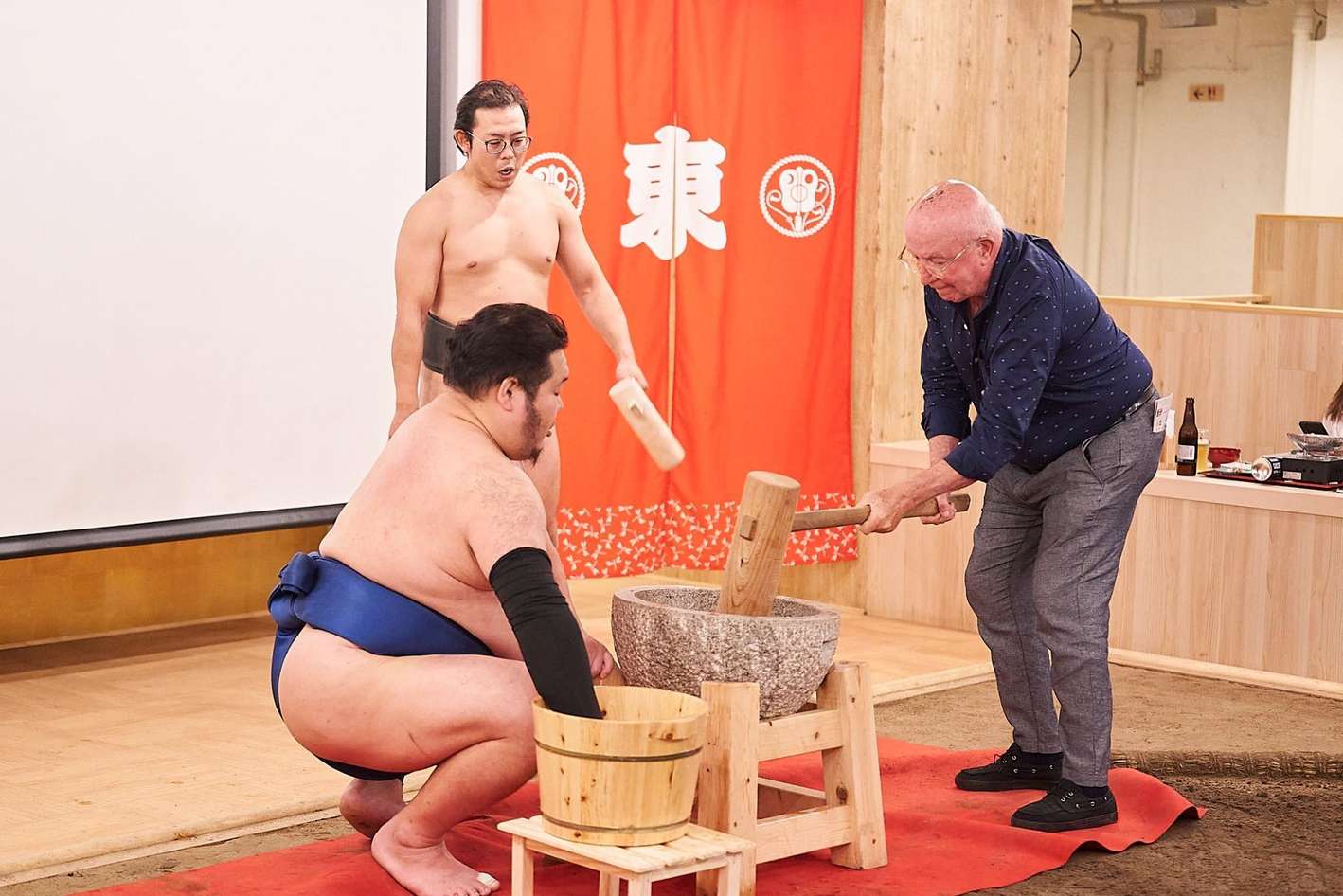
Tokyo: Sumo Wrestling Experience with Chanko Nabe & Mochi4.8★ (746) · 1 - 2 hours · Free cancellation
When everything sells out - other ways to see live wrestling
Sold-out dates happen, and theater fans sometimes want something rougher than a choreographed bout. Tokyo has answers for both.
Hands-on sumo workshops run year-round on real clay rings in Ryogoku, with live exhibition bouts as part of the session, led by former professionals who manage the contact.
The tournament calendar never touches them, because the teachers are retired athletes whose own schedules never change. If serious athletic competition is what you are after, these sessions, or morning practice at a stable, come closer than any dinner theater.
For a completely different combat sport, Japanese professional wrestling plays constantly across the city. Korakuen Hall, Ryogoku Sumo Hall, Shinjuku FACE, and Shin-Kiba 1st Ring all hold regular live cards.
And the free option keeps working: the exterior window at Arashio stable in Nihombashi shows morning training to anyone passing, no booking, no ticket, no minimum spend.
A sumo show earns its slot as one stop in a night, not the whole itinerary. The Ginza venue sits one minute from Ginza-itchome station and four to seven from Ginza and Yurakucho, with dining in Yurakucho and the art galleries and landmark architecture along Chuo Dori within easy reach.
Shinjuku venues sit inside Okubo and Kabukicho, directly beside one of the densest dining and nightlife districts in the city. The Shibuya venue at Yoyogi Broadway stands one minute from the station, close enough to pair with any Shibuya crossing evening.
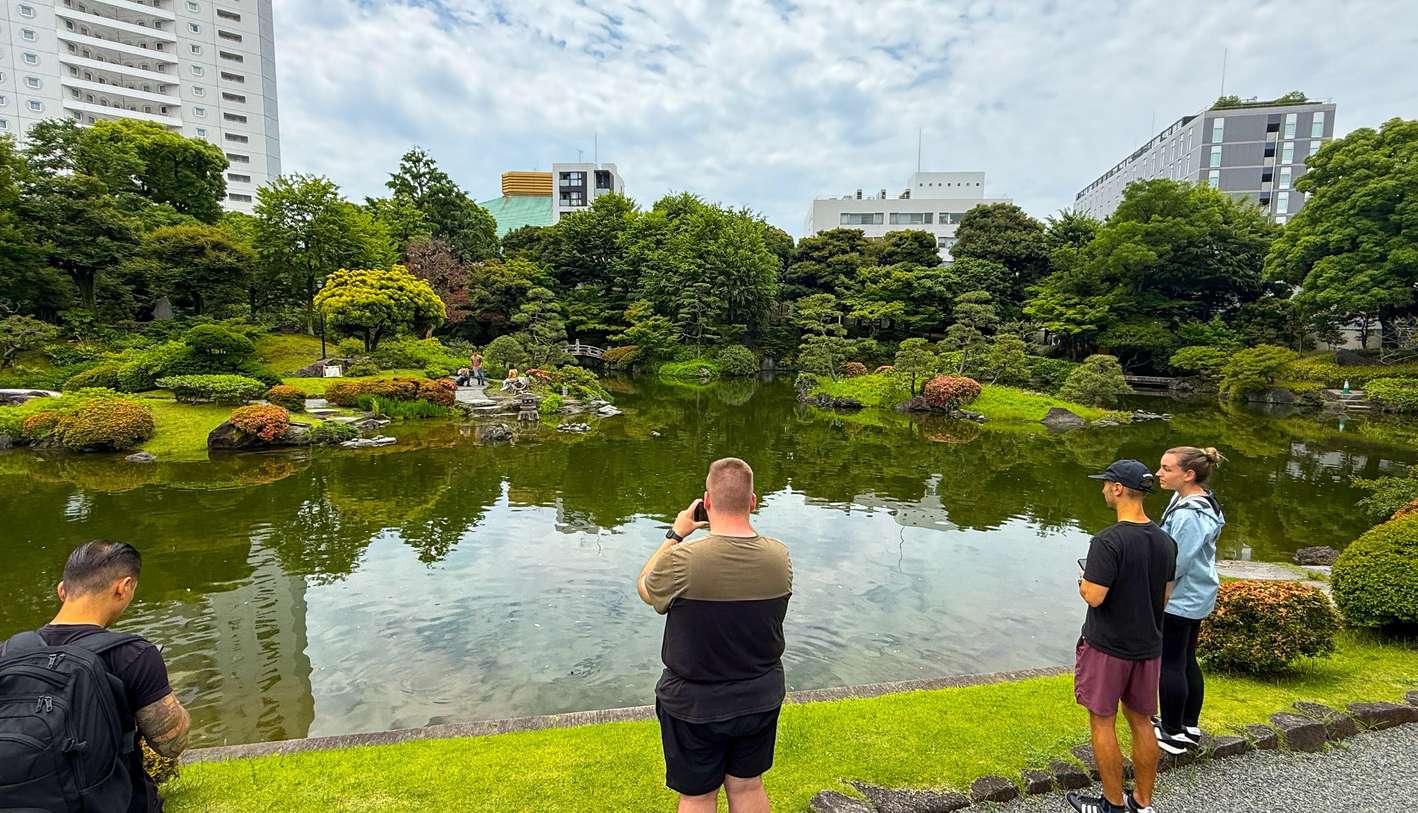
Around the Ginza room, museums, gardens, and shrines cluster within a 15-minute walk, enough to fill a slow afternoon before a 5 pm show. The nearest of them are listed here.
Sights within walking distance of Tokyo sumo venues
Whichever neighborhood you pick, book the show first and build the evening around it. The front desk will not hold your seat past the hour, and the rest of the night rewards arriving early.
A Tokyo sumo show is not a consolation prize. Retired professionals wrestle genuine bouts a few meters from your seat, the meal is half the fun, and the calendar never gets in the way. Pick a weekday afternoon, arrive 15 minutes early, and flag dietary needs two days out.
Go ifYour trip falls outside January, May, or SeptemberYou want wrestlers, hot pot, and photos in one eveningYou are traveling with children or as a solo traveler
Skip ifYour dates coincide with a tournament and you secured ticketsYou want silent, unscripted athletic training instead of a show
Our pick to book
Tokyo: Shinjuku Sumo Show & Experience with a Photo4.9★ (9,863) · 1.5 hours · Free cancellation
Everything travelers ask before booking a live sumo show in Tokyo, from tickets and kids to what you can film.
Tokyo2026
Two meters from the ring and the salt throw stings the air. Book ahead: strict schedules mean late arrivals get turned away at the desk.
Can I watch a sumo show in Tokyo if no tournament is running?
Yes. Interactive dinner shows and exhibitions with retired wrestlers run year-round in Shinjuku, Shibuya, Ginza, Asakusa and at Tokyo Tower, on almost any date.
Are the wrestlers at Tokyo sumo shows real?
The performers are genuine former professional sumo wrestlers who once competed for real. Their techniques, bouts and rituals are authentic; the outcomes are arranged for entertainment.
Can I step into the ring and challenge a wrestler?
Many shows invite guests onto the dohyo in a padded suit or mawashi belt. Spots are limited, and when demand is high, challengers are chosen by lottery, so joining is a chance rather than a promise.
Are sumo shows explained in English?
Yes. An English-speaking MC walks you through the rules, the referee calls and the forbidden moves as the wrestlers demonstrate them, so nothing on the ring is a mystery.
Can I take photos and videos during the show?
You can. Photography and filming are allowed during the bouts and demonstrations, and most shows end with a dedicated photo session with the wrestlers, sometimes with a printed souvenir.
Are Tokyo sumo shows suitable for children?
Most entertainment shows welcome children of all ages, and kids can cheer freely. A few venues set a minimum age or are unsuitable for babies under 1, and hands-on training sessions start at age 5.
Are drinks and meals included with a sumo show ticket?
Often a welcome drink or bottled water is included, with more available to buy at the venue. Many shows serve chanko nabe hot pot, sometimes all-you-can-eat; higher ticket tiers can add sukiyaki, tempura or all-you-can-drink packages.
Is a sumo dinner show worth it instead of a real Grand Sumo tournament?
If your dates match the Tokyo tournaments in January, May or September, a tournament beats a show. Outside those weeks, a dinner show is the year-round option, with closer seats, English commentary and food that no arena ticket gives you.
Can solo travelers book a sumo show in Tokyo?
Solo travelers join these shows regularly. At some dining venues you may be seated alongside other guests at a shared table, which most people end up enjoying.
I want serious competition. Is a comedy sumo show right for me?
Show bouts are choreographed demonstrations with a good dose of comedy, so treat them as theater with real skill. For genuine competitive sumo, aim for an official tournament or a quiet morning practice viewing at a stable.
Can solo travelers book a single ticket?
Yes. Solo travelers join Tokyo sumo shows regularly, and staff can take commemorative photos with your own phone for free. At dining shows you may be seated together with other guests at shared tables.
What happens if I arrive late to a show?
Shows run on a strict schedule and may refuse entry at the front desk once they have started, so arrive at least 15 minutes early. Late arrivals and no-shows are not eligible for refunds.
Challenge a sumo wrestler in Shinjuku
Step into the ring and stay for photos with the wrestlers, with free cancellation up to 24 hours ahead.




 Your best match