

2 hours·English, Japanese
4.9(459)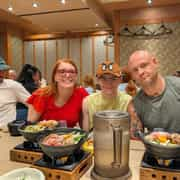
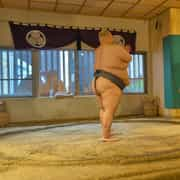
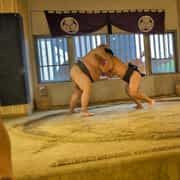
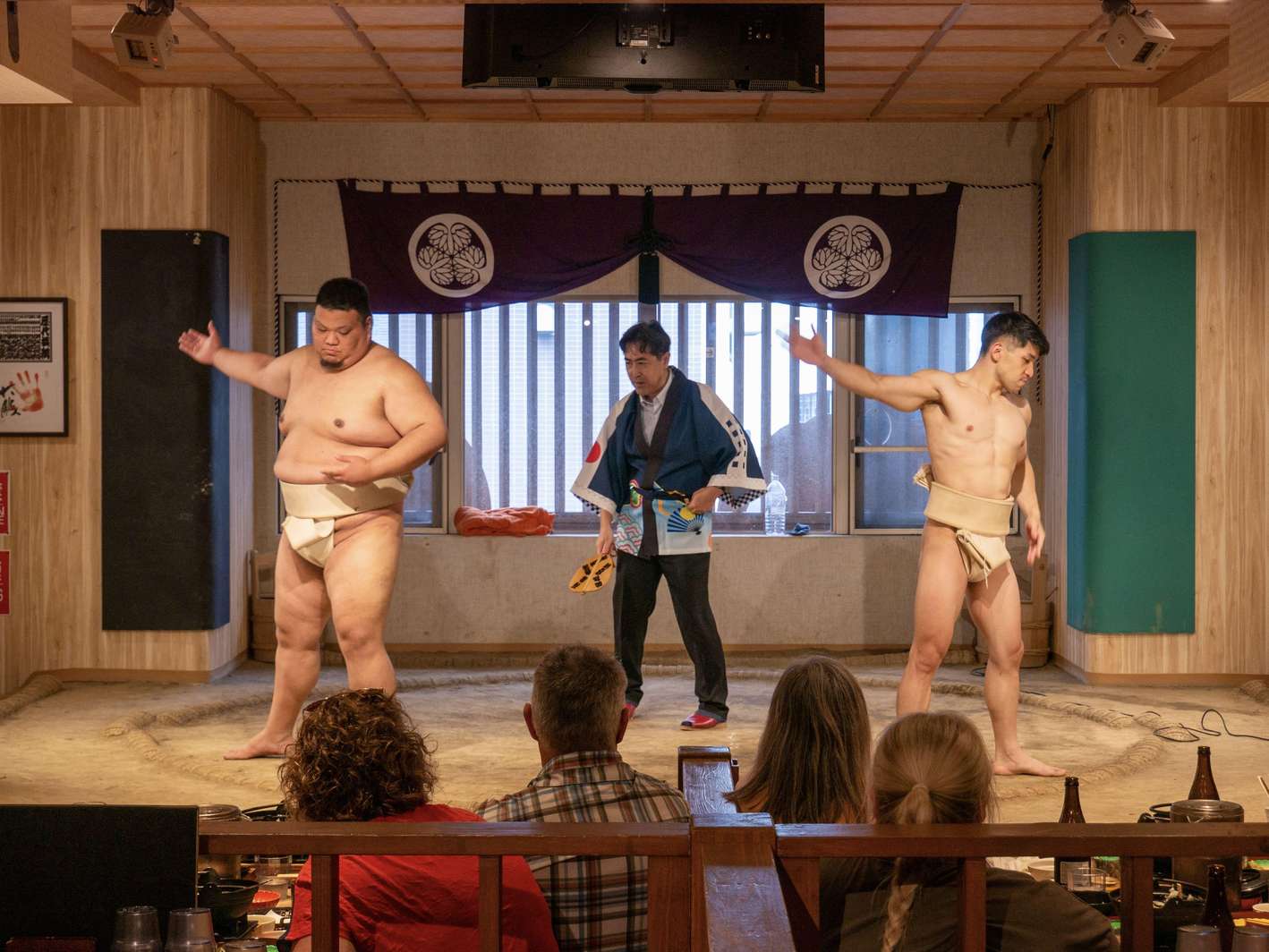
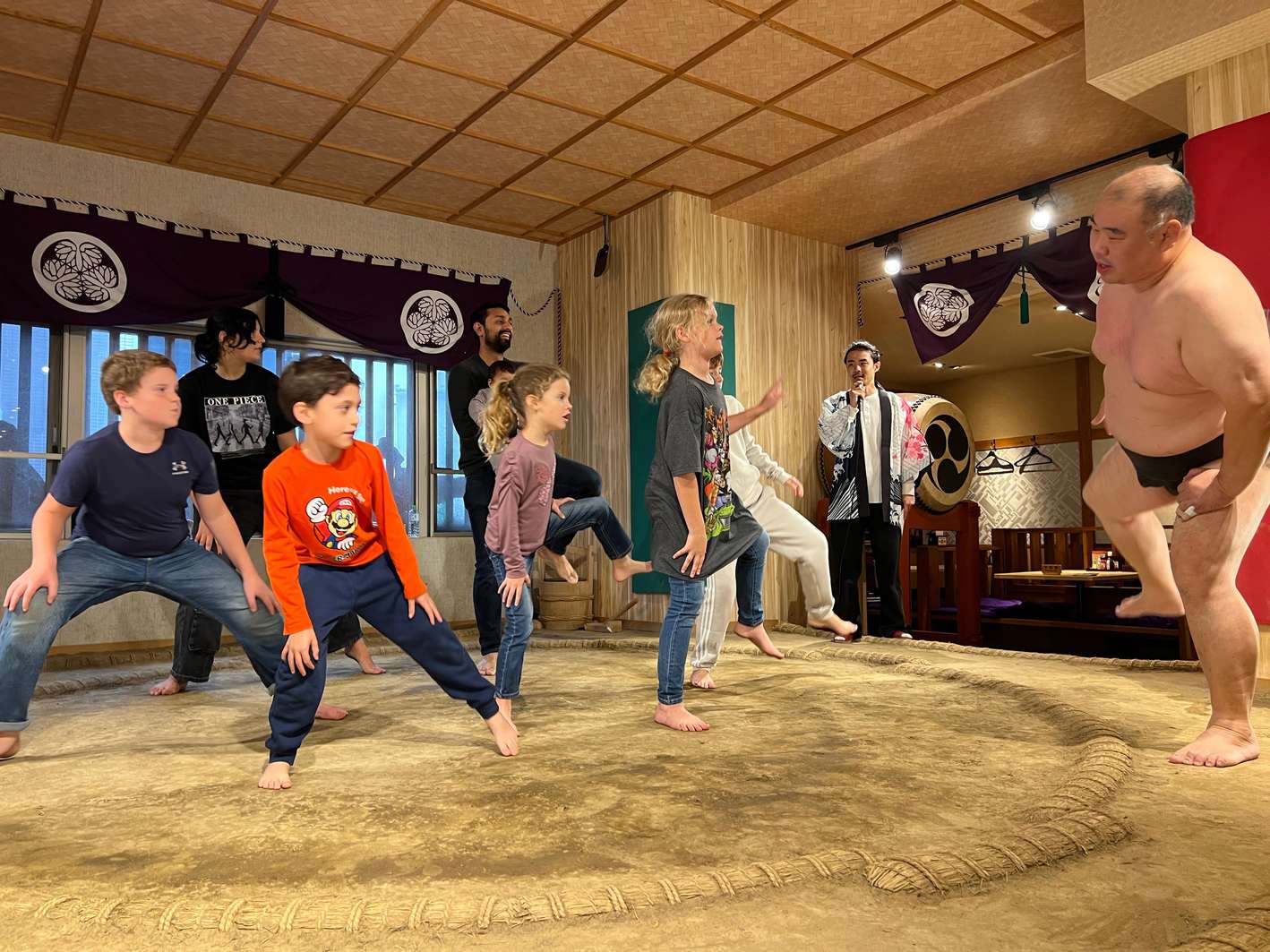
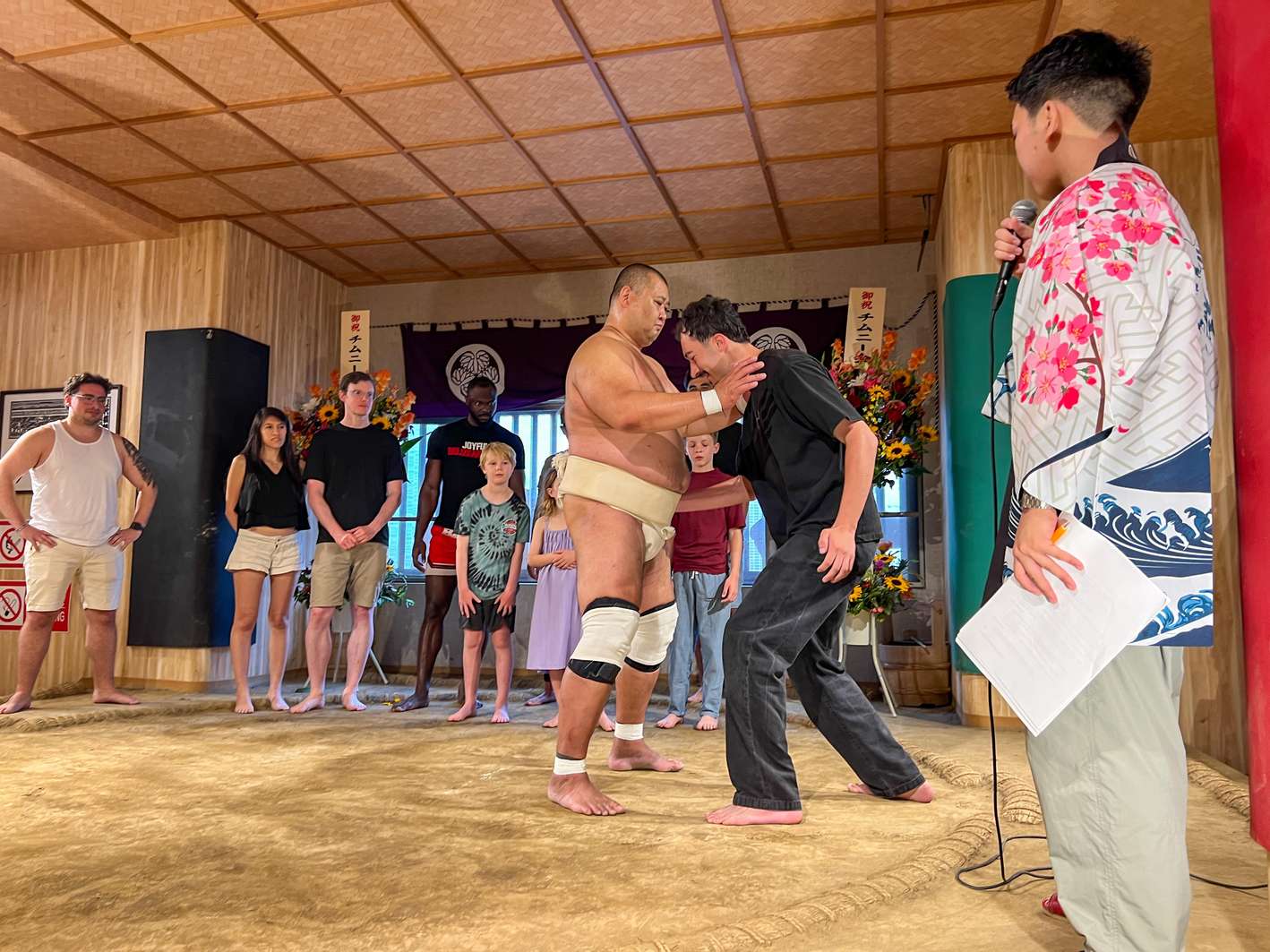
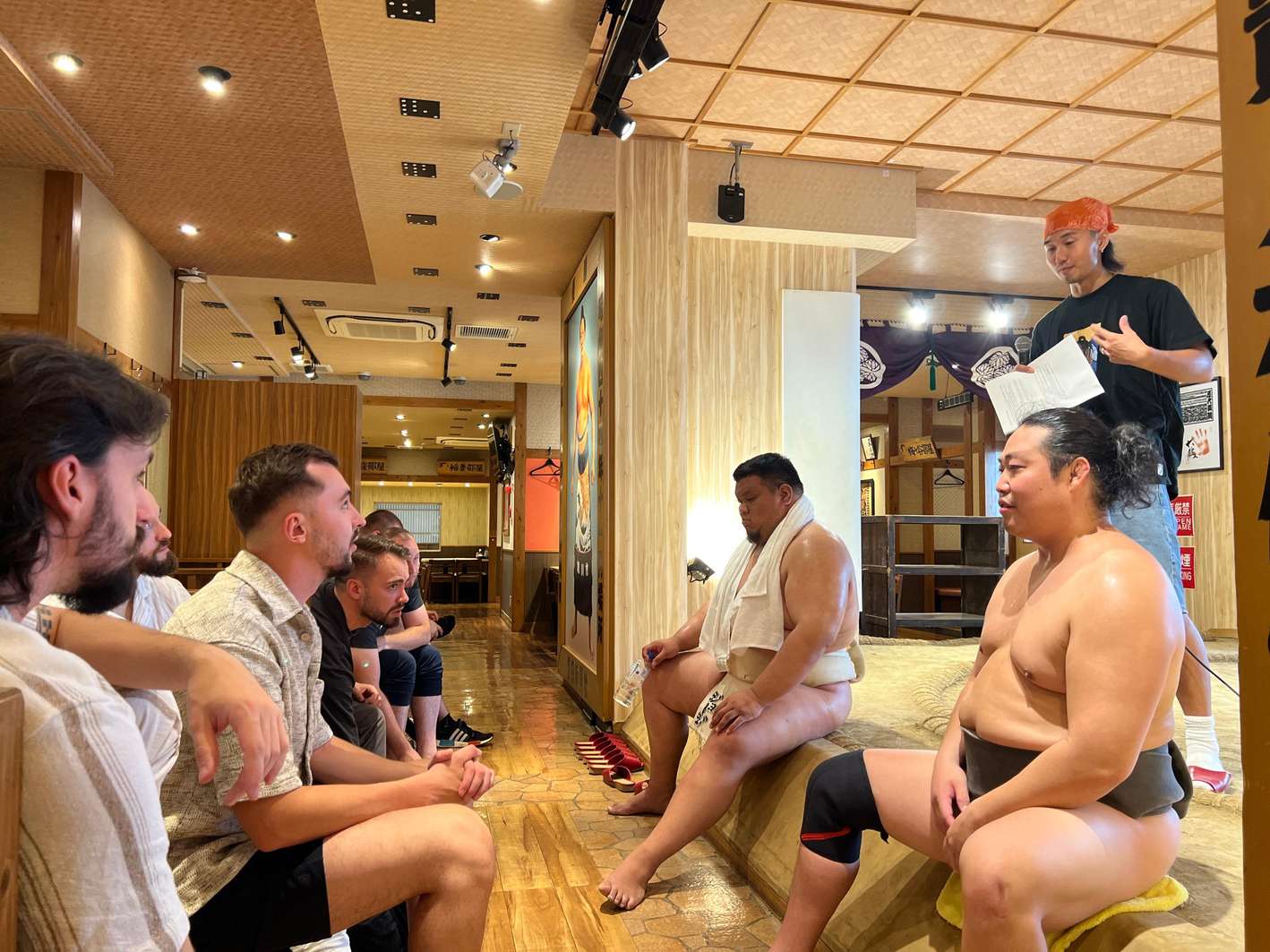
Tokyo: Family Sumo Workshop & Live Wrestling Show with Lunch
Free cancellationAdmission to sumo venue & ring accessFormer professional wrestlers (EN/JP commentary)

Explore Tokyo's sumo district with a local culture guide. Walk past active stables and wrestler shrines in Ryogoku, spot rikishi on the street, and finish with an authentic chanko nabe hot pot lunch where the dish was born. Book your private sumo district walk today.
"Our guide was so sweet! Early pregnancy nausea made me need a break outside, and she brought me a chair, pillows, and even ran to get me a drink."


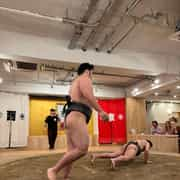





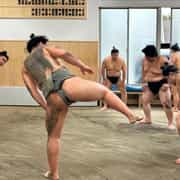
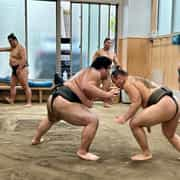

The sumo district shows its friendliest face at the table, and this page's dining guide is where that side gets its full story.
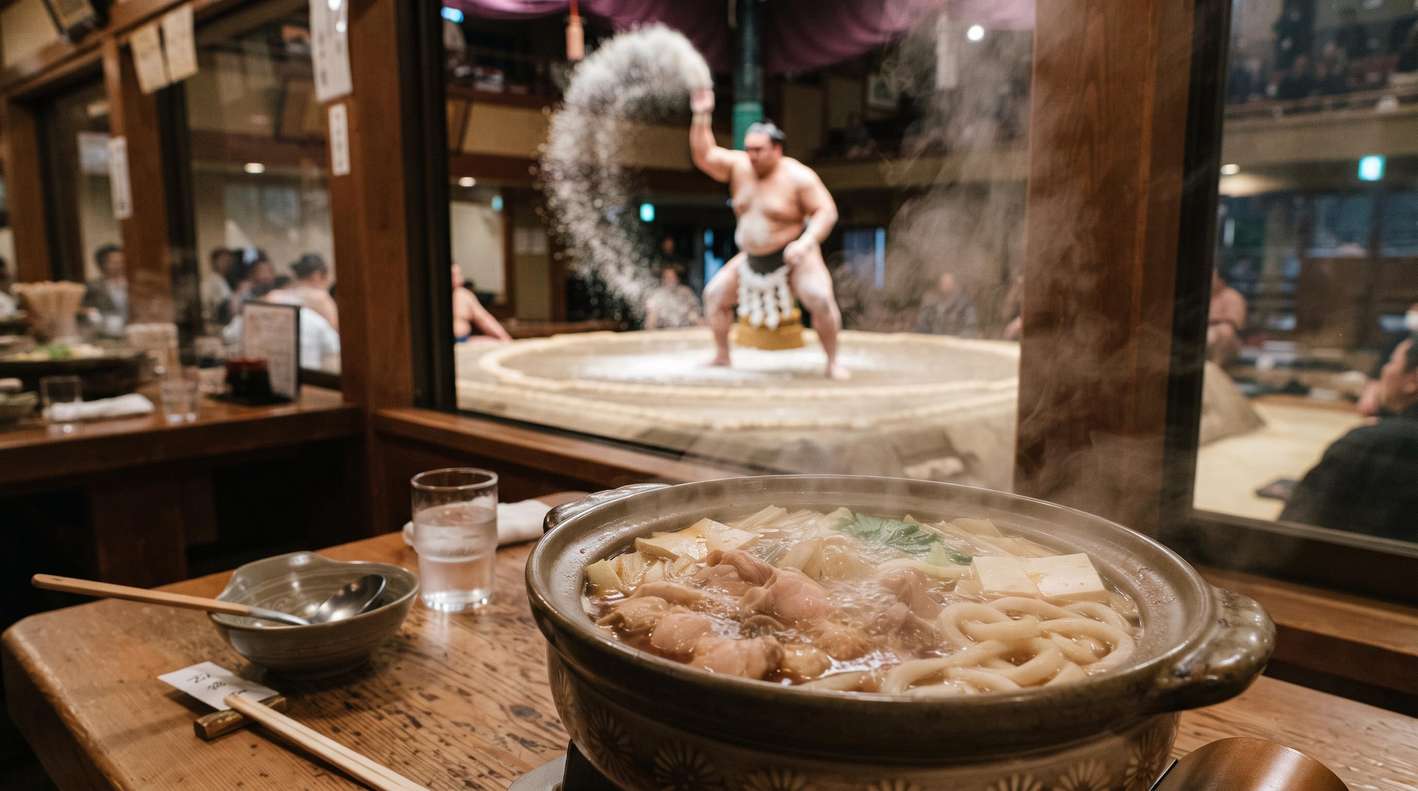
The hot pot was born here, in streets packed with wrestler kitchens.

Two minutes from the Kokugikan, the restaurants start, and many were opened by retired rikishi cooking the broths of their old stables. Chankonabe tastes different from kitchen to kitchen because every stable keeps its own recipe. In tournament months, tables book out one to three weeks ahead, so reserve early for dinner or a weekend.
Kitchens can usually handle vegetarian and vegan meals with a few days of notice, but halal and gluten-free requests depend on the venue, and some spots let you bring your own food.
Some visitors come just to eat a quiet bowl. Others pick a venue with a show attached. The page helps you tell the difference.
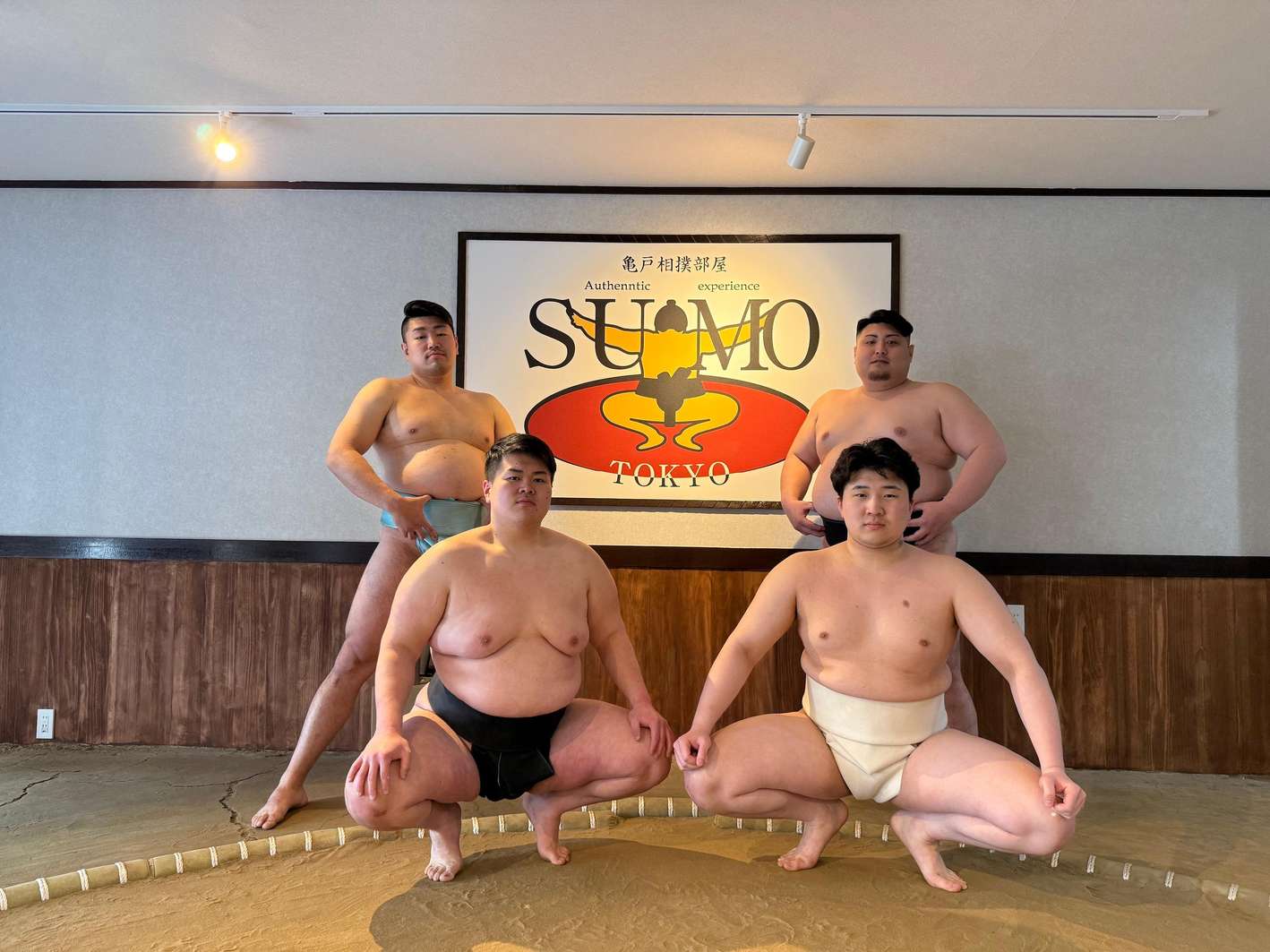 2 hours · ★ 5.0 (153)Tokyo: Authentic Sumo Experience with Hot Pot, Photo & GiftFrom $81 2 hours · ★ 4.9 (459)Tokyo: Family Sumo Workshop & Live Wrestling Show with LunchFrom $86
 1.5 hours · ★ 4.9 (90)Tokyo: Sumo Entertainment with Japanese Meal at Tokyo TowerFrom $91 1 - 2 hours · ★ 4.8 (746)Tokyo: Sumo Wrestling Experience with Chanko Nabe & MochiFrom $91
Ryogoku packs the Kokugikan, hidden stables and the birthplace of chankonabe into a few walkable blocks. Whether a guide earns their keep, and when the stables actually open their doors, is what this walk settles.
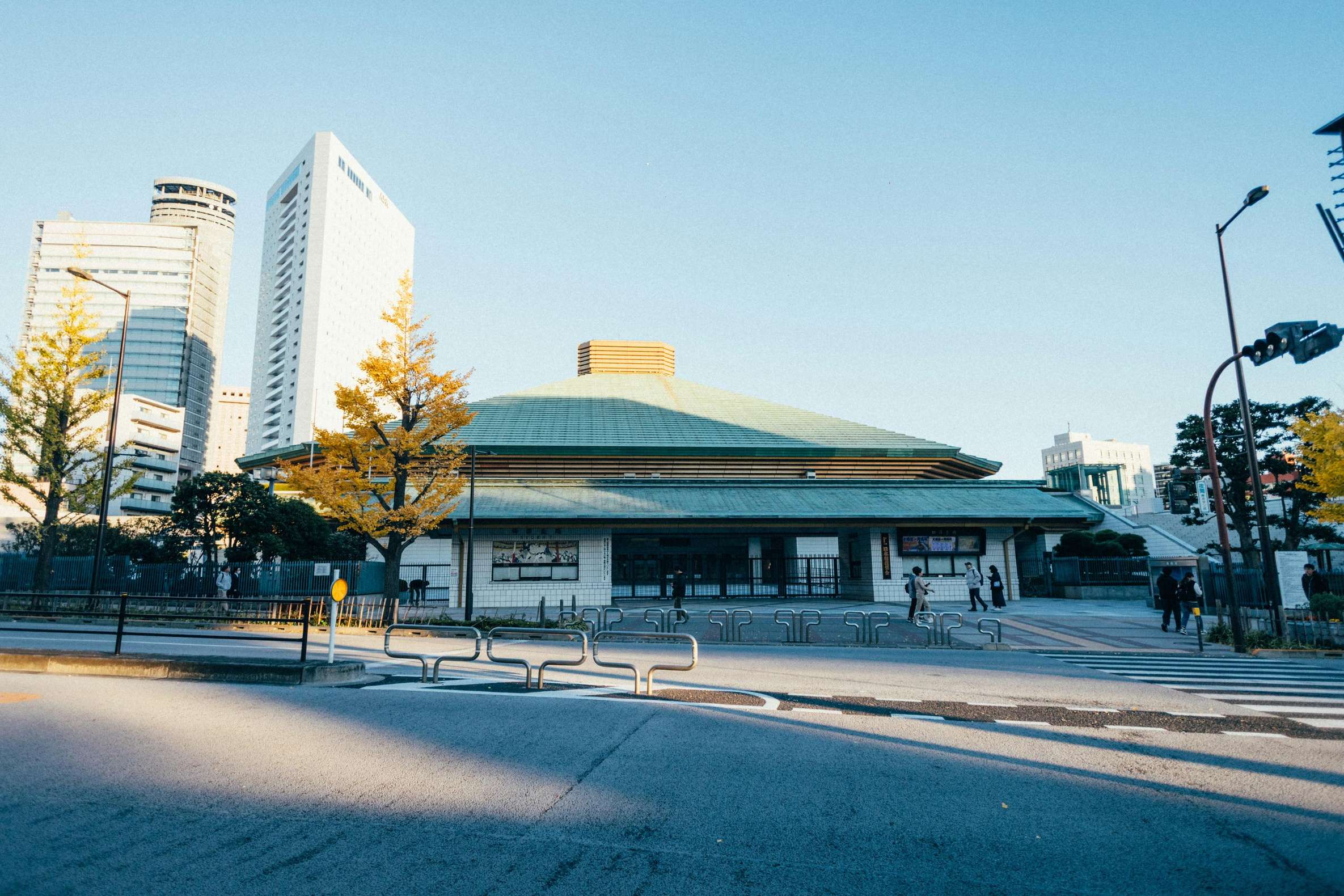
The Kokugikan sits about a 2-minute walk from Ryogoku Station's JR west exit, with the Sumo Museum on its ground floor.
Board the yellow Chuo-Sobu line, not the orange Chuo express, or you will bypass Ryogoku entirely.
Stables hide behind discreet plaques in converted houses and turn away anyone who knocks unannounced; only Arashio lets you watch practice free from the street window.
Inside a stable you sit in total silence for one to two hours, shoes off, phones dead, and one whisper gets you asked to leave.
Stables pause practice in March, July and November, when the wrestlers leave for the regional tournaments.
Book a guided stable visit with special arrangements to watch training inside, or watch for free from the sidewalk through the street-facing windows at Arashio stable in Nihonbashi.
Step out of Ryogoku Station's west exit and the whole business of sumo is already around you. The Kokugikan, the national tournament arena, is roughly a 2-minute walk away, with the Sumo Museum on its ground floor.
On non-tournament days you can still walk in for the gift shops and the museum, which is compact enough for a short visit.
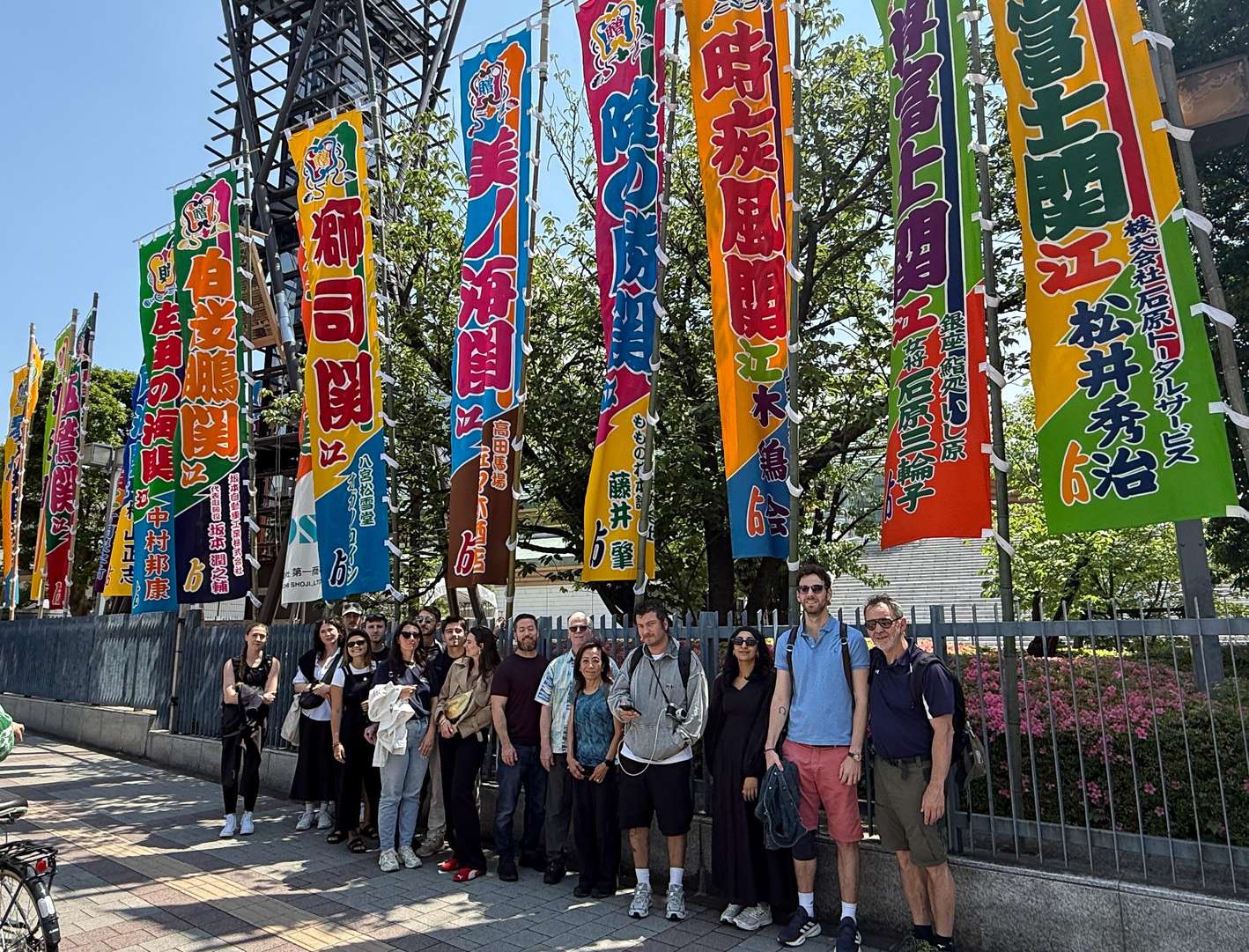
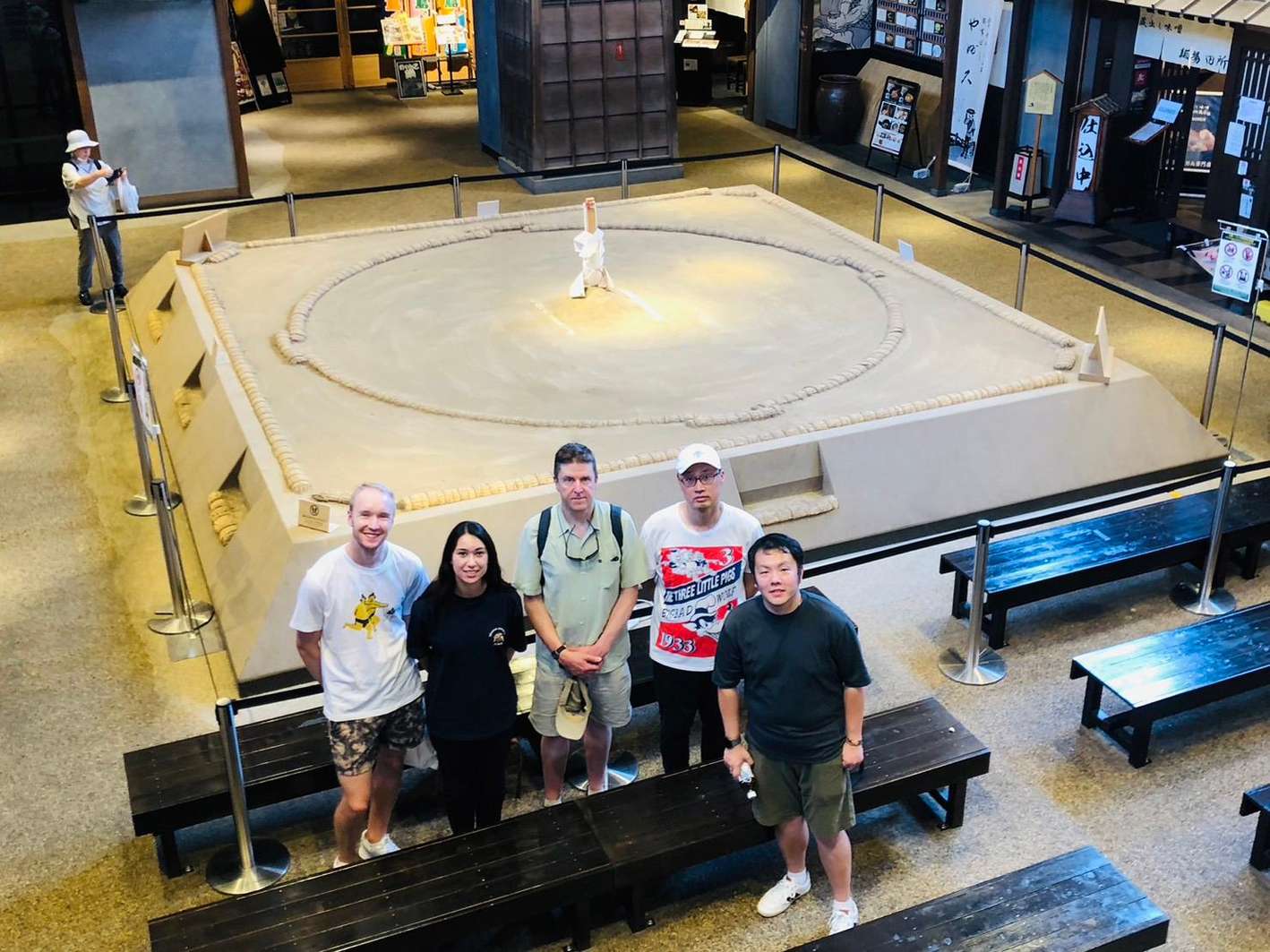
Directly beside the station, the Edo Noren shopping complex keeps a full-size replica dohyo ring. Kokugikan-dori runs south from the arena, its sidewalks lined with bronze yokozuna statues and plaques pressed with real wrestlers' handprints.
About 5 or 6 minutes further south you reach Ekō-in Temple, the ground where Edo-period public sumo began, with the Chikara-zuka memorial stone on the site of the original 1909 arena.
The stops sort themselves neatly once you see the distances side by side, and a couple of strong museums sit just past them:
Even a slow loop takes under an hour, so most visitors add the side streets and a lunch. The one move that decides the day comes earlier: at the platform, take the yellow Chuo-Sobu line train. The rapid orange Chuo line runs right past Ryogoku without stopping, and boarding it costs you the district.
Inside the station itself, large portraits and handprints of recent yokozuna line the walls, so the greeting starts before you even exit.

Turn off the main street and the quarter changes character. Stables sit in ordinary converted houses along side streets, marked by little more than a discreet plaque, and many carry no marker at all.
Without navigation or a local, visitors regularly walk straight past them. That is half the charm and the whole frustration of the neighborhood.
The wrestlers themselves show up more readily than the buildings do. People who spend a morning on these streets often spot rikishi out on breaks, running errands, or shopping in kimono, because Ryogoku is where they live.
Hardcore fans head to Takahashi, the merchandise shop where active wrestlers have been known to browse. Toshida sells sumo-themed sweets; Lion-Do caters plus-size apparel to enormous men.
The easy free win is Arashio stable's street window: large glass panels let you watch morning training from the sidewalk, from 7:30 am to 9 am on scheduled practice days, with no booking at all.
Back in Ryogoku, seek out Nomi no Sukune Shrine, which many walkers miss. Sumo school trainees maintain it, and its stone monuments list every yokozuna, deceased champions carved in gold. Nearby, the Sumo Photo Gallery admits free and keeps historical wrestler photographs going back to the 1930s, alongside referee gunbai and embroidered kesho-mawashi aprons.
Here is the honest trade. Alone, you set the pace, the cost is zero, and the monuments, shops and free Arashio window reward a wander.
What you cannot buy with shoe leather is the inside of a training room. Active stables do not accept walk-ins: getting past the door takes a formal arrangement, an official tour, or a fluent Japanese guide.
Context is the second gap. A bronze statue tells you nothing about the ritual behind a salt throw or a leg stomp. A guide who knows the district, and the sport, turns an anonymous street into a legible one.
Tokyo: Sumo Watching with journalist and walks sorts out both gaps in one go.
It runs about 3 hours, pairs an English-speaking guide with a national newspaper journalist who covers sumo, and uses special permission to bring you inside a viewing area for live practice, then rounds off with commemorative photos and a free run at questions.
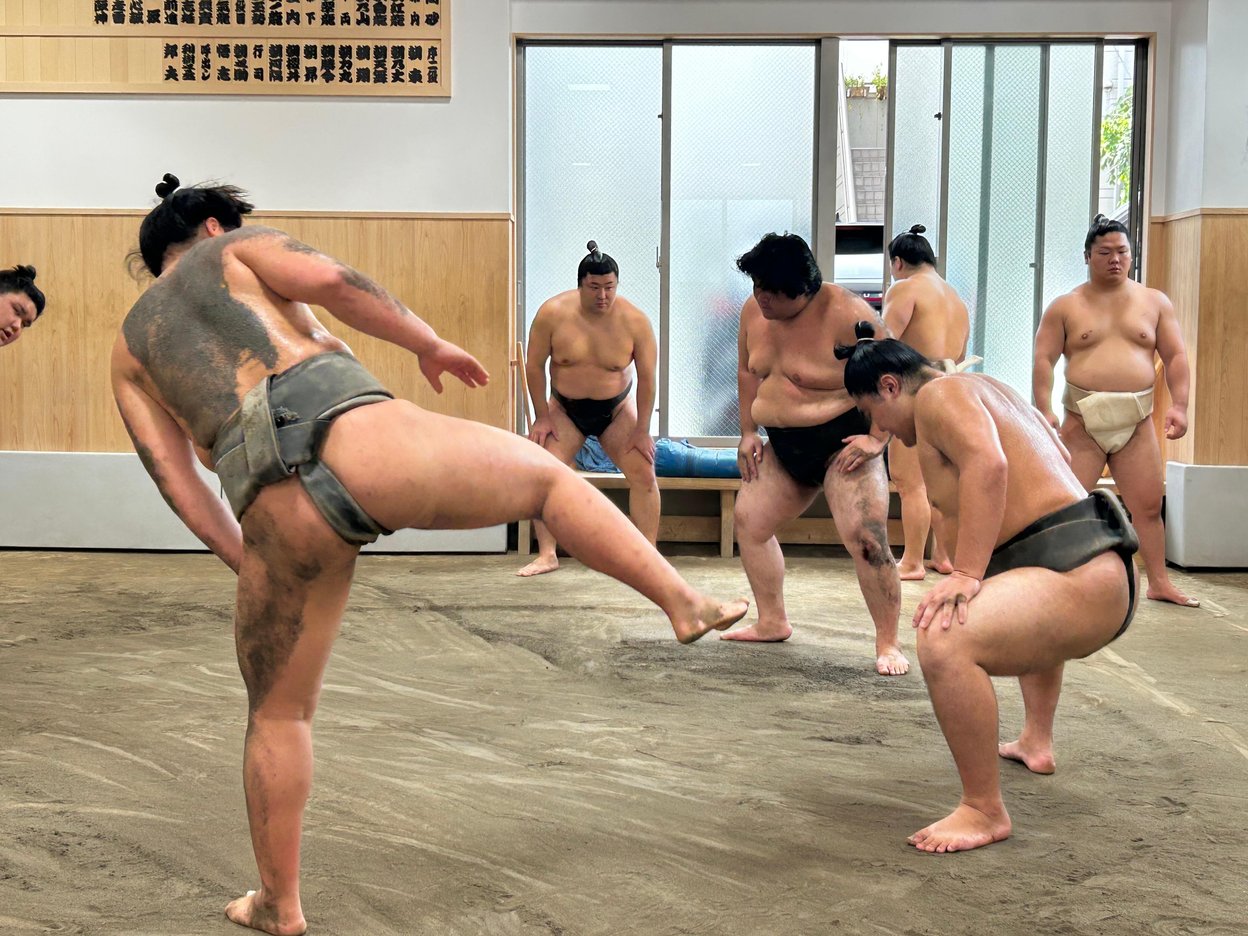
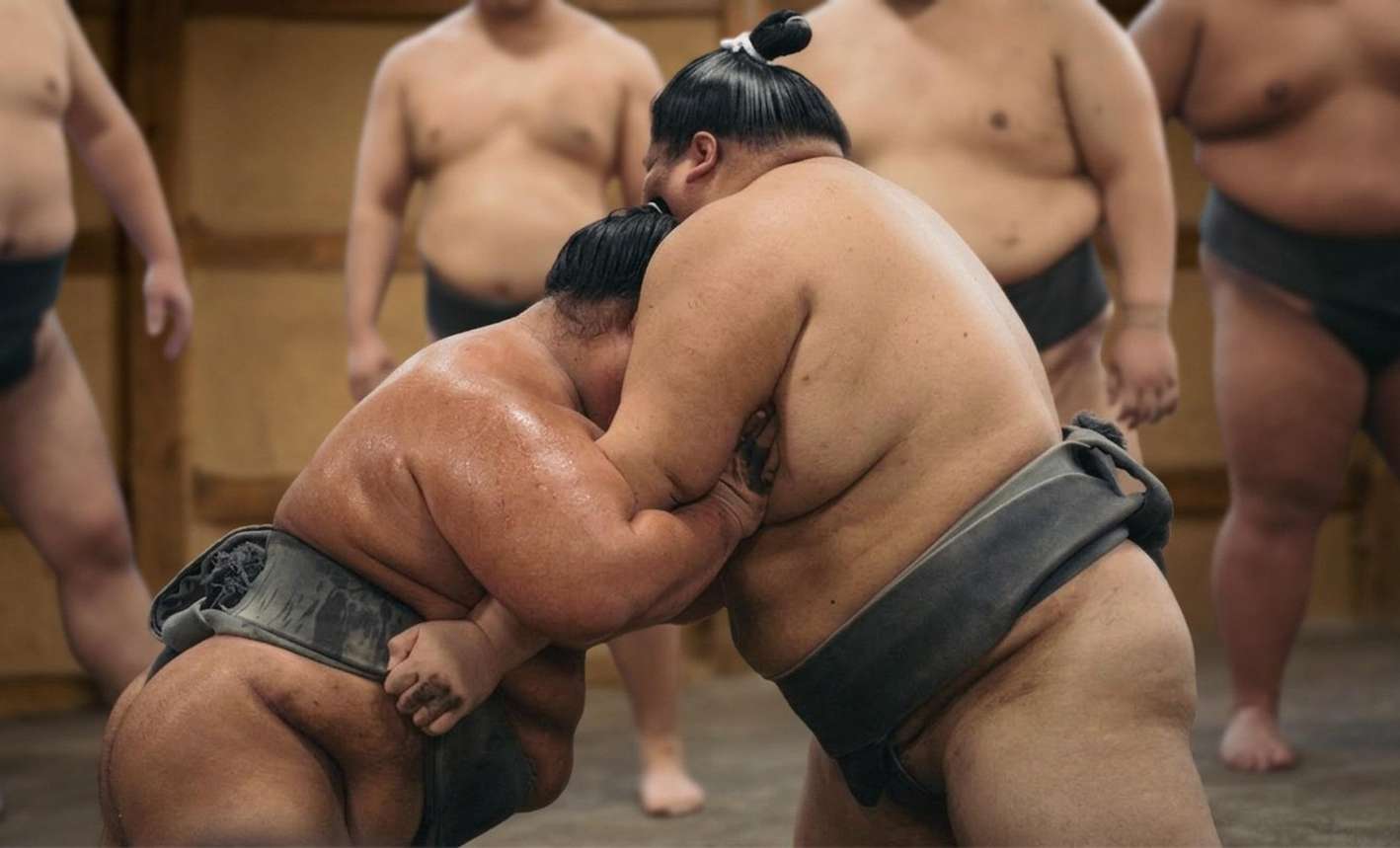
What you watch is real: bodies collide at full force, and the wooden floor can tremble underfoot.
| Hit or miss; many carry no plaque at all | The guide knows exactly which door to stop at | |
|---|---|---|
| Getting inside a training room | Not possible without formal arrangements | Included, by special permission |
| Understanding the rituals and landmarks | You rely on your own reading | A sumo journalist explains as you go |
| Cost | Free apart from lunch | Paid, covers viewing and photos |
| Freedom of pace | Total, stop where you like | Set schedule, about 3 hours |
If live practice is what draws you and you would rather keep it simple, book the guided walk and let the arrangements happen upstream. If browsing shops and monuments at your own speed is the aim, walk it yourself and pocket the difference.
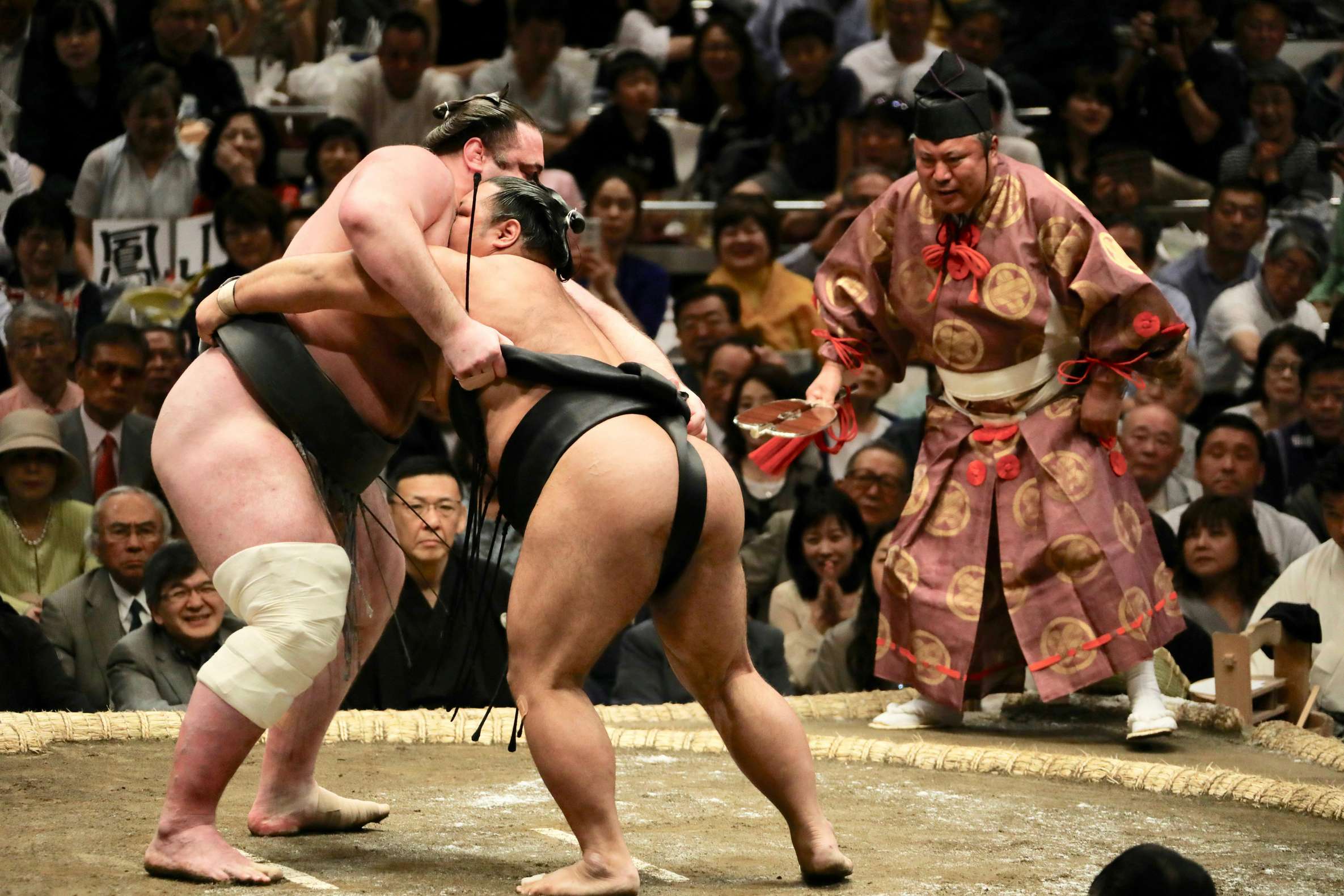
Picture the scene once you do get inside: a low room, wrestlers working through drills, spectators cross-legged or kneeling on the floor in absolute silence for 60 to 120 minutes. Shoes, hats and sunglasses come off at the entrance. Phones go dark or silent. Nobody eats, drinks, stands up, wanders or leaves midway.
The gestures matter as much as the noise. Pointing the soles of your feet at the ring or the wrestlers reads as disrespect. Flash photography risks your seat; standing up for a photo gets you sat back down.
Questions wait until training finishes, and guides hand out printed sheets on the rules and moves so the silence stays easy to hold.
The clay ring itself is not furniture. In Shinto terms the dohyo is consecrated ground, ritually purified and treated as a shrine, so no visitor ever steps on it or its sand.
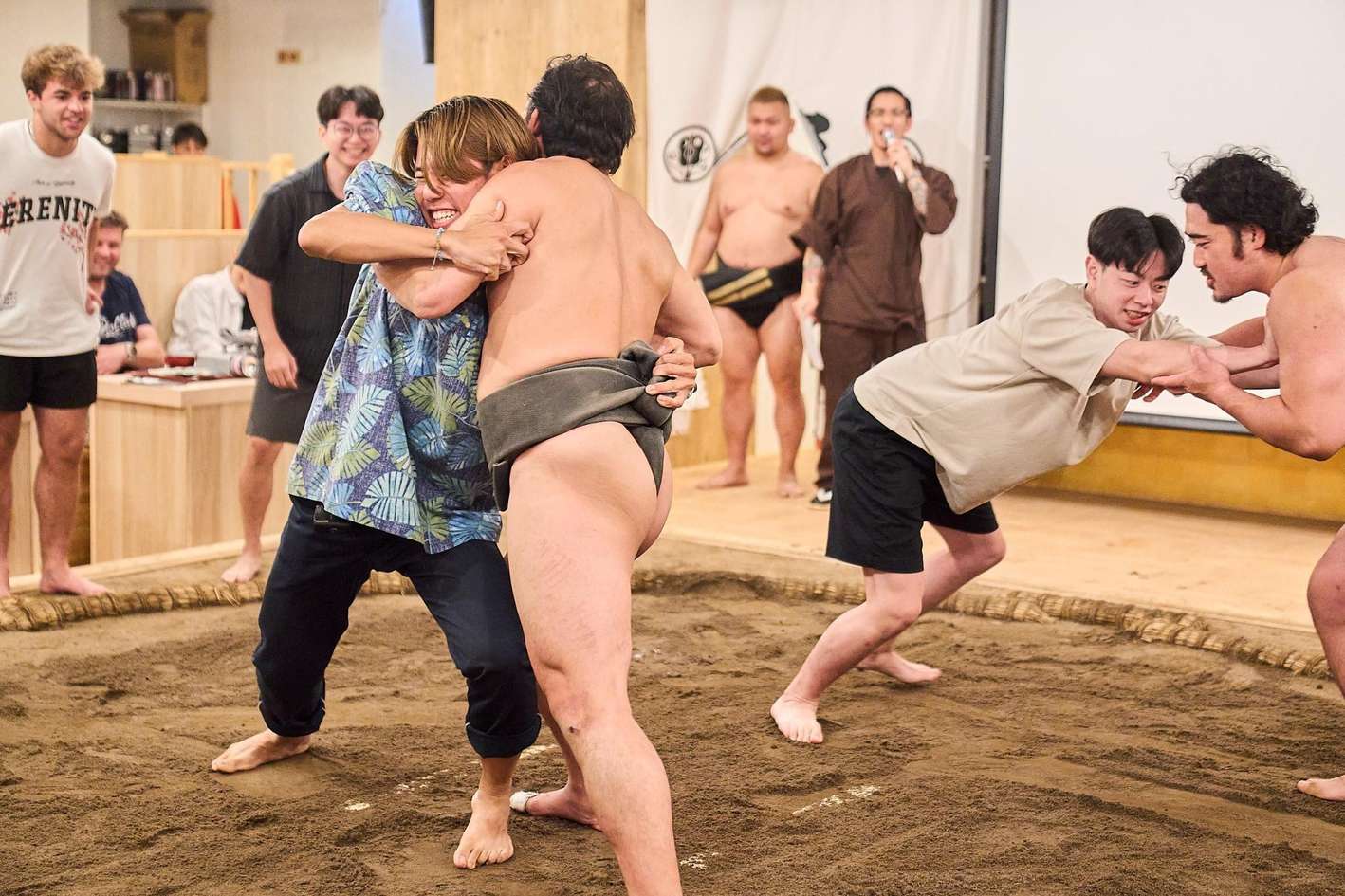
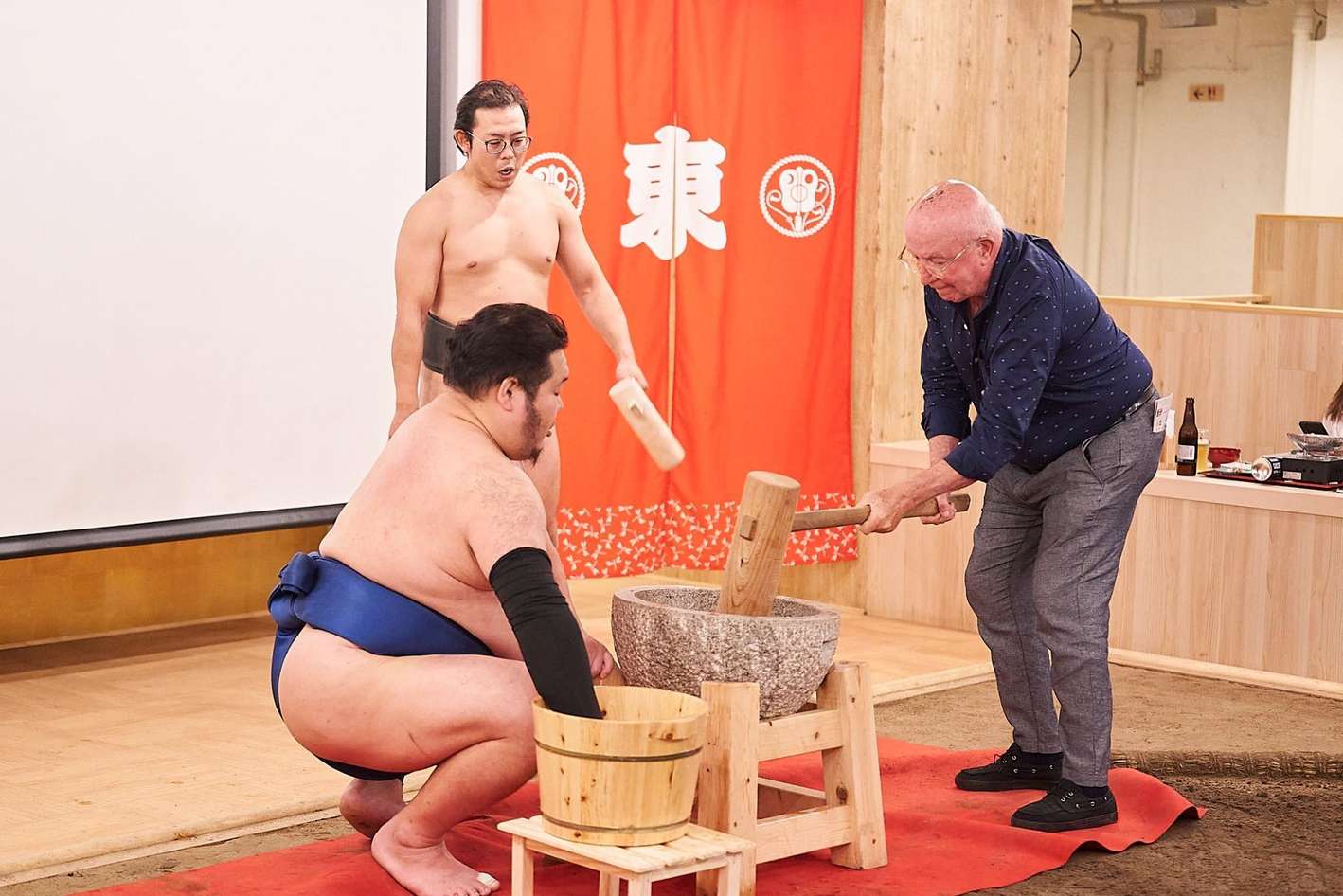
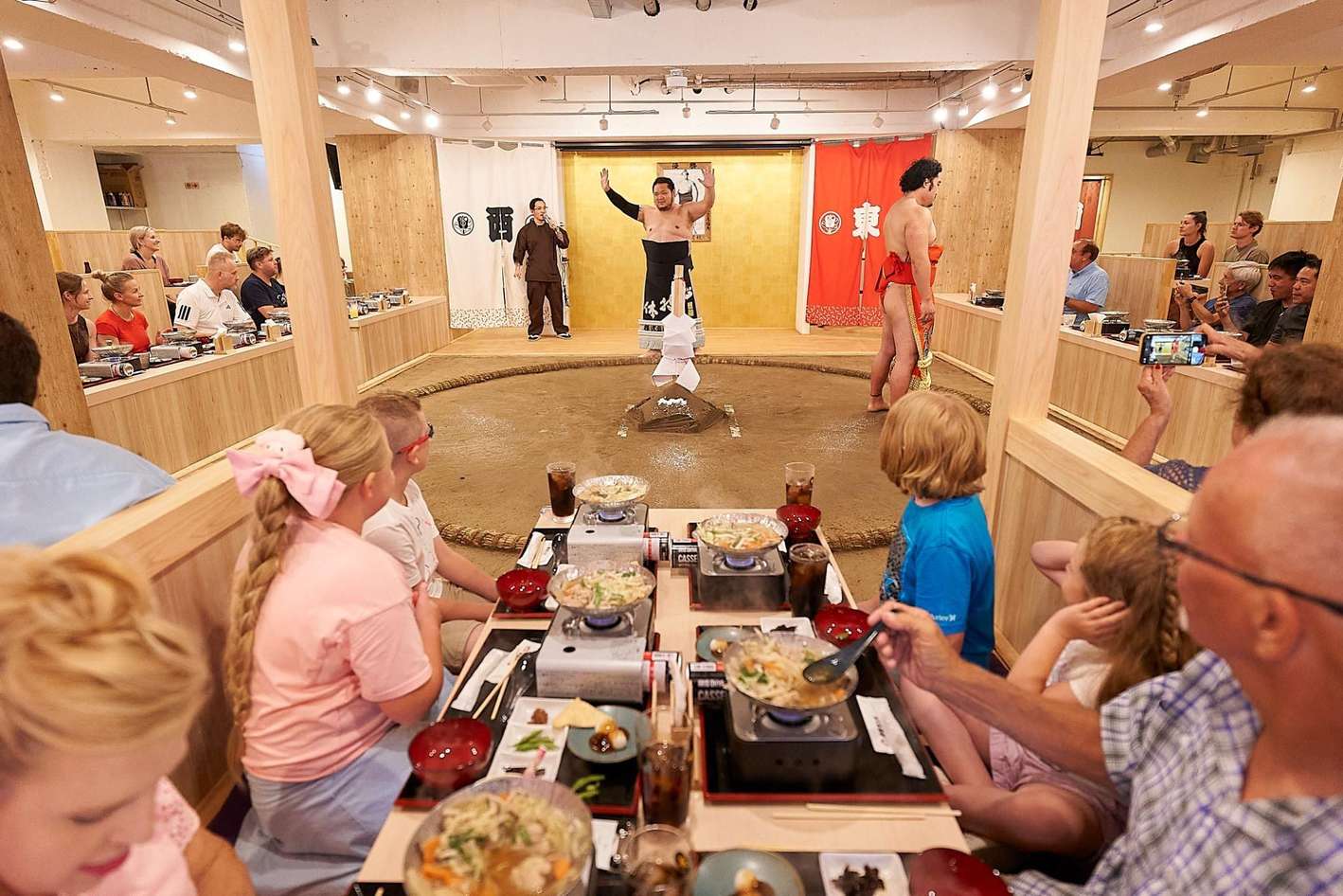
Children may come, but only if they can sit quietly for that long, and some viewings turn away babies under 1. For toddlers, an interactive show in Ryogoku where kids can cheer, enter the ring and eat hot pot with retired wrestlers fits far better.
When practice is off the table anyway, most often in March, July and November when stables relocate for the regional tournaments, that ring-side fun carries the day.
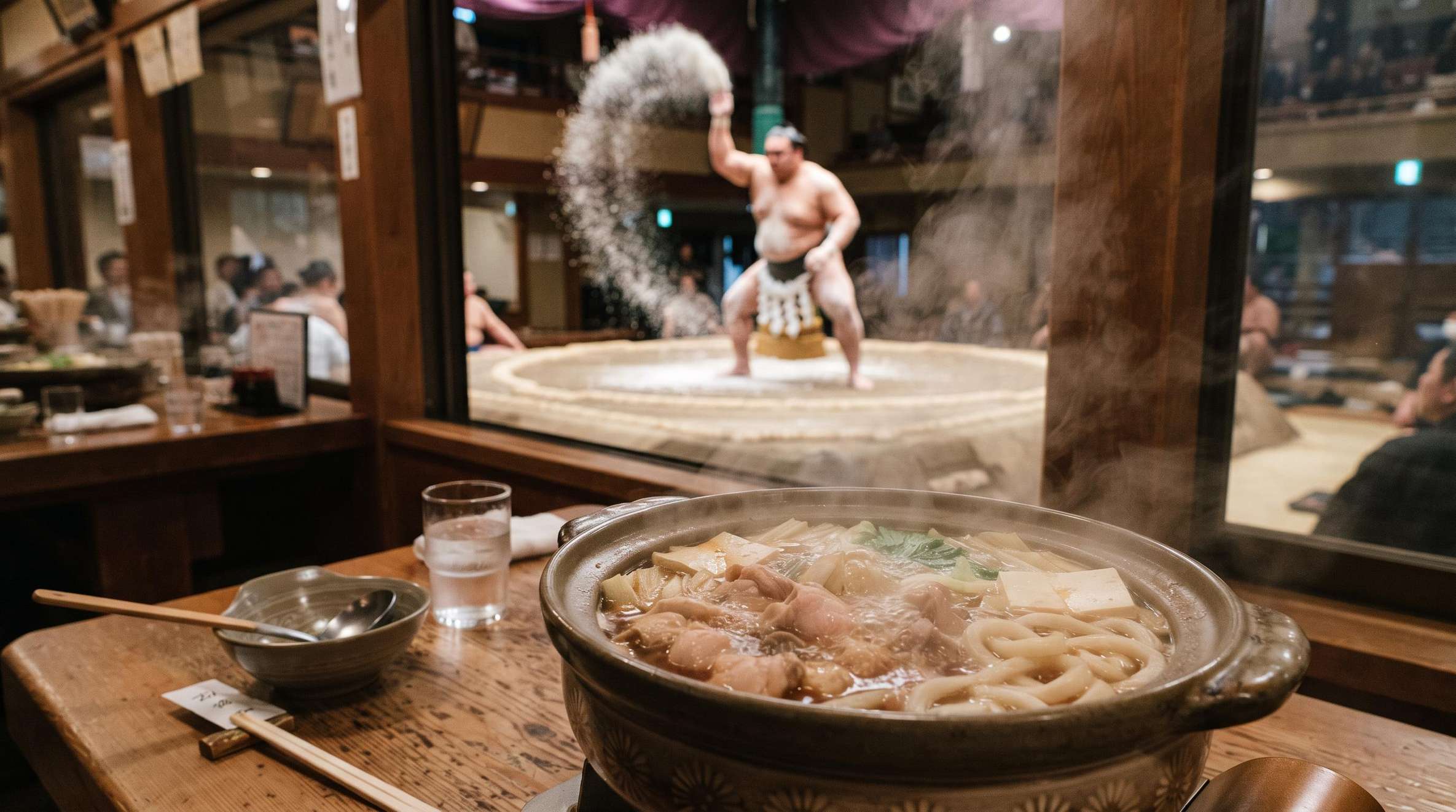
Ryogoku rewards both kinds of visitor: the walker who hunts yokozuna handprints and shopfronts at their own pace, and the one who books the journalist-led morning to get inside a working stable. Time it between tournaments, wear shoes you can walk kilometers in, and end on chankonabe where the dish was born.
Compare tournament months and venues across Japan before you fix your travel dates around a bout.
See the unscripted side: how to sit in on a real stable's morning training and what the silence rules demand.
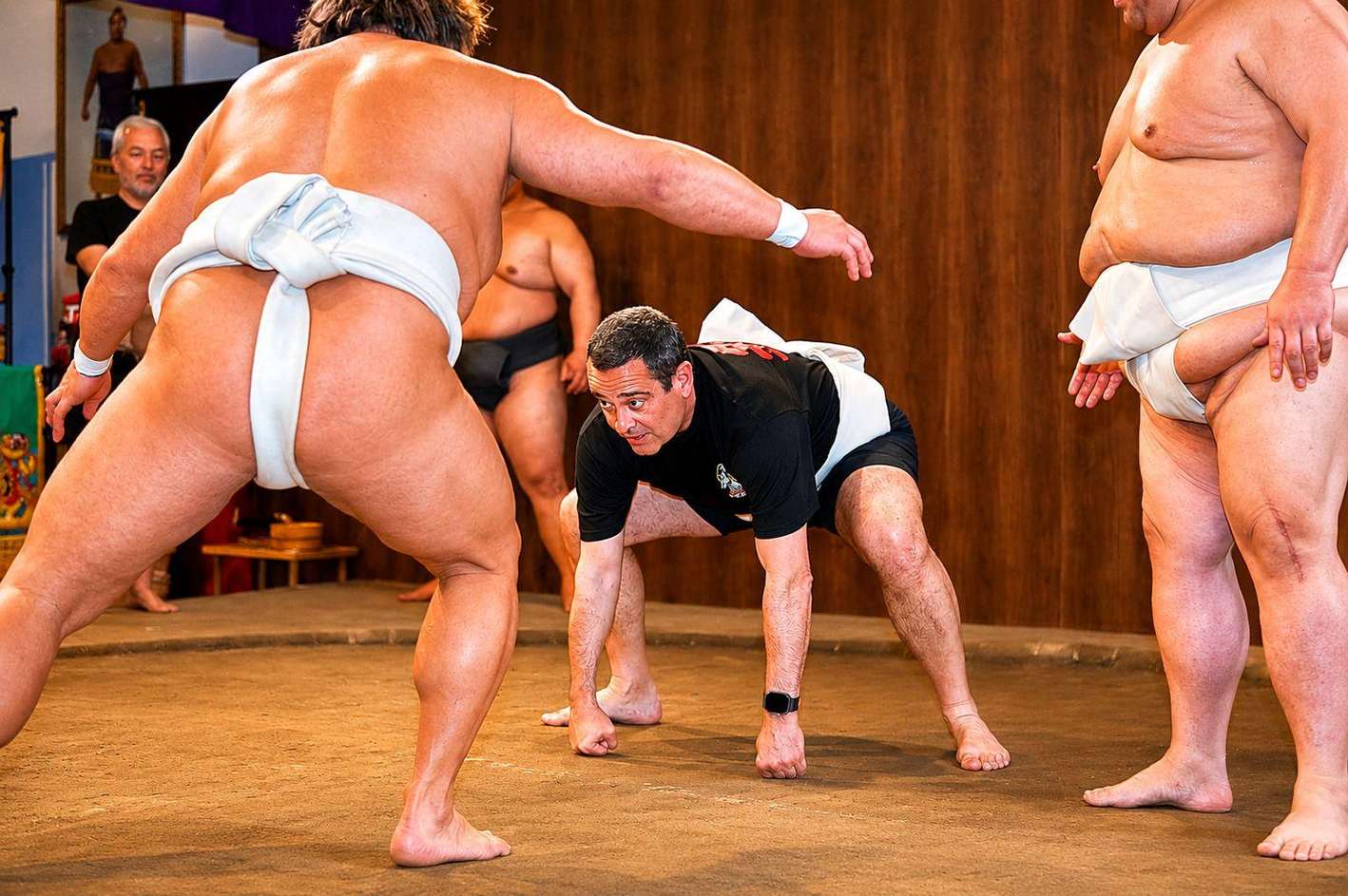
Want to sweat too? Find the gyms and former pros who teach beginners the stomp, the stance and the push.
Short answers to what visitors ask most about exploring Ryogoku, the sumo neighborhood of Tokyo.
 Tokyo2026
Active stables do not allow visitors to walk in unannounced, and arriving at the door usually gets you turned away. To sit inside a training room, you need a guided tour or a formal arrangement. At Arashio stable, anyone can watch morning training for free through the large street-facing windows.
Many stables near Ryogoku Kokugikan are ordinary buildings tucked into side streets, marked by little more than a discreet plaque. Without navigation, they are genuinely hard to find. A guide turns a confusing stroll into a walk that ends somewhere real.
Bronze Yokozuna statues with real wrestler handprints, Nomi no Sukune Shrine with stone monuments listing every grand champion, and shops like Takahashi for sumo merchandise and Toshida for wrestling-themed sweets. Near the station, a shopping area holds a full-size dohyo ring.
Yes. The district houses numerous stables, and rikishi out on breaks or running errands are a common sight, often dressed in kimonos. Around the Kokugikan, wrestlers are also visible arriving for tournaments in the early afternoon.
Ryogoku has the densest concentration of chanko nabe restaurants in the city, many of them founded by retired wrestlers. This is where the dish became the daily staple of training wrestlers, so it sits in its original setting.
At Ryogoku Kokugikan, the national sumo arena, about two minutes on foot from Ryogoku Station's west exit. The Sumo Museum sits on its first floor, and the Ekoin temple, where public tournament sumo began in the Edo period, is five to six minutes south.
Most guided walks run two to three hours at a relaxed pace through city streets, so comfortable shoes matter. One Ryogoku walking tour is explicitly built without ultra-early starts, and another combines the walk with a chanko nabe lunch at the end.
The streets, statues, and shrine monuments are as engaging for children as for adults, and family workshops in the district welcome kids from age four onto a real dohyo. Inside an active stable, children may observe only if they can stay quiet throughout the session.
On the tours here, a cultural expert or a journalist who covers sumo leads the commentary, covering the 1,500-year spiritual history, the rituals, and the lifestyle of the wrestlers. Several also pair the walk with meal access, commemorative photos, and a chance to ask questions.
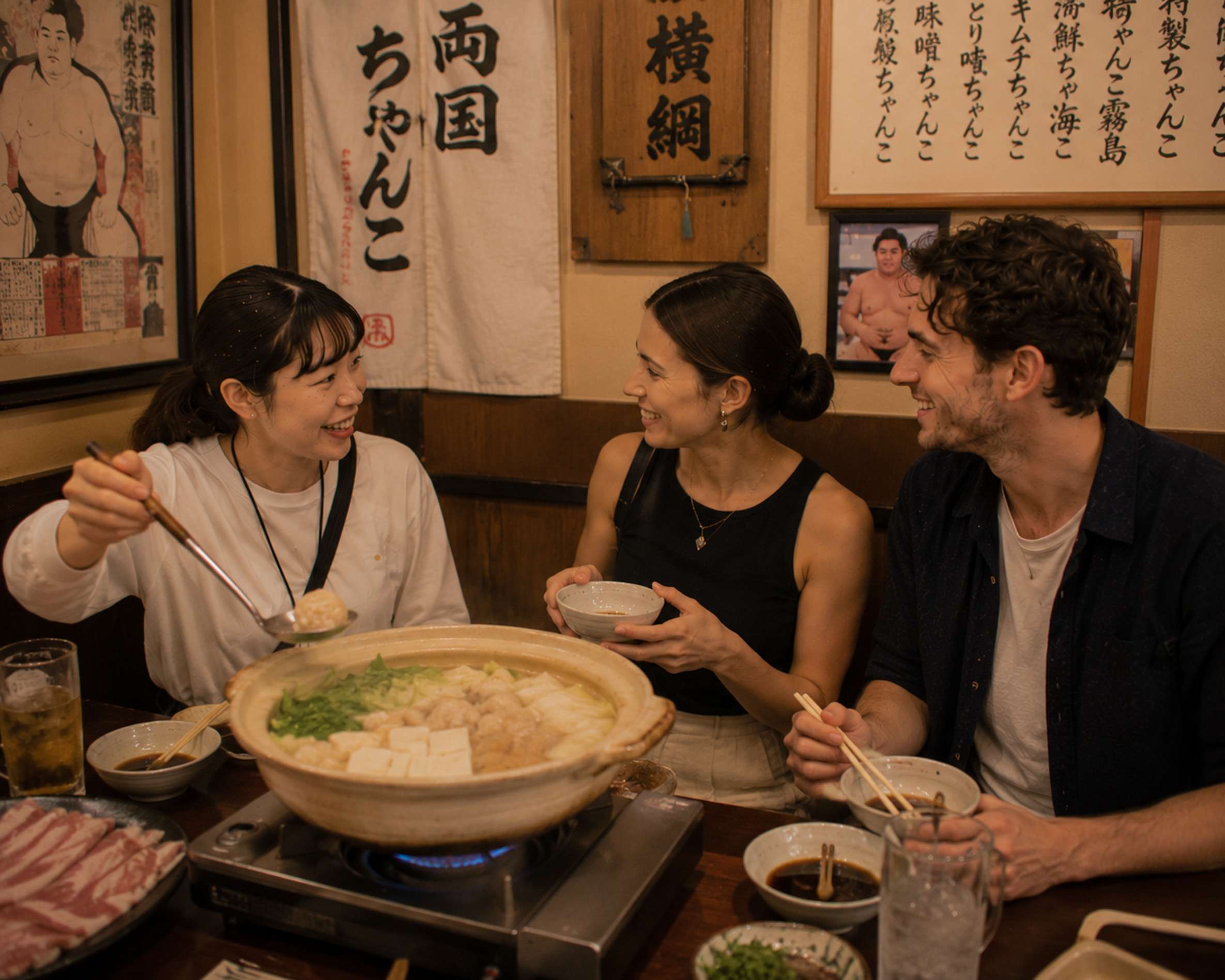
A private three-hour walk through Ryogoku's stables and shrines, ending with chanko nabe lunch, and free cancellation up to 24 hours ahead.